The Ultimate Buyer's Guide to Sweet Almond Oil: What to Look for in 2026
Sweet almond oil has become a beloved staple in beauty routines worldwide, and with good reason. This versatile oil, extracted from the kernels of sweet almonds, offers a luxurious feel and impressive absorption rate that makes it perfect for both skin and hair care. But with so many options flooding the market in 2026, how do you choose the right one?
Whether you're a seasoned beauty enthusiast or just beginning your natural skincare journey, this comprehensive buying almond oil guide will help you navigate the marketplace with confidence. We'll explore the key quality indicators, compare essential features, and share insider tips on what separates premium oils from budget alternatives.
Understanding Sweet Almond Oil Quality: The Foundation of Your Purchase
Before diving into specific products, it's crucial to understand what makes one sweet almond oil superior to another. Quality isn't just about price – it's about extraction methods, sourcing, storage, and processing standards that preserve the oil's natural properties.
Extraction Method: The Gold Standard
The way almond oil is extracted significantly impacts its quality and shelf life. Cold-pressed almond oil represents the pinnacle of quality extraction. This mechanical process uses no heat or chemicals, preserving the oil's natural vitamin E content, delicate fatty acid profile, and subtle nutty aroma.
Heat-extracted oils, while more affordable, may have reduced nutritional value due to the high temperatures used in processing. Chemical extraction methods, though rare in quality brands, can leave unwanted residues and strip away beneficial compounds.
Color and Consistency Indicators
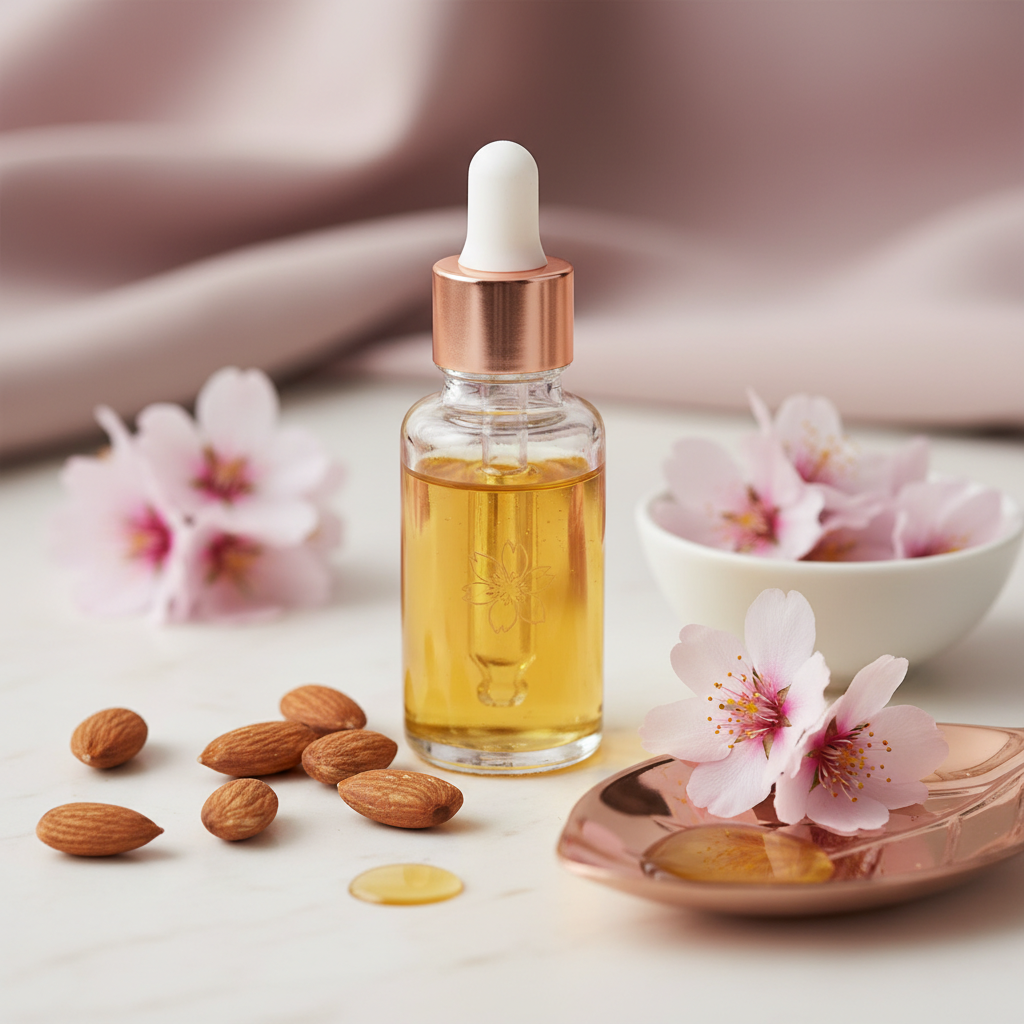
High-quality sweet almond oil should have a pale golden color – not completely clear, but not dark amber either. The consistency should be light and silky, absorbing readily into skin without leaving a greasy residue. If an oil appears cloudy or has sediment, this could indicate poor filtration or contamination.
Aroma Profile
Pure sweet almond oil has a mild, subtly nutty scent. Oils with strong, unpleasant odors may be rancid or contaminated with other substances. Conversely, completely odorless oils might indicate over-processing or the addition of deodorizing agents.
Essential Features to Compare When Learning How to Buy Almond Oil
When evaluating different almond oil products, several key features should guide your decision-making process.
Organic Certification
Organic almond oil comes from almonds grown without synthetic pesticides, herbicides, or chemical fertilizers. While organic certification doesn't automatically guarantee superior quality, it does indicate adherence to strict agricultural standards and often correlates with more careful handling throughout the production process.
Look for USDA Organic, ECOCERT, or other reputable organic certifications on the label. Be wary of products that claim to be "natural" or "pure" without third-party verification – these terms aren't regulated and can be misleading.
Packaging and Storage Considerations
Quality almond oil should be packaged in dark glass bottles or opaque containers to protect against light degradation. UV rays can break down the oil's beneficial compounds and accelerate rancidity. Plastic bottles, while cost-effective for manufacturers, aren't ideal for long-term storage as they can allow air permeation.
Size matters too. Unless you use almond oil frequently, opt for smaller bottles (1-4 oz) to ensure freshness. Large containers might seem economical, but oil quality degrades once opened, especially with repeated exposure to air and light.
Country of Origin and Sourcing
The source of your almonds can impact oil quality. California produces about 80% of the world's almonds, and many high-quality oils originate there. Mediterranean regions like Spain and Italy also produce excellent almonds with distinct flavor profiles.
Look for brands that provide transparency about their sourcing. Companies that work directly with growers or provide detailed origin information often maintain higher quality standards throughout their supply chain.
Brand Reputation and Third-Party Testing
Established brands with strong reputations typically invest more in quality control and testing. Research companies that have been in business for several years and have built trust within the natural beauty community.
Laboratory Testing and Purity Verification
The best almond oil producers conduct regular testing for:
- Fatty acid composition analysis
- Peroxide value (indicating freshness)
- Heavy metals screening
- Pesticide residue testing
- Microbiological contamination
While not all companies publish these results, those that do demonstrate transparency and confidence in their product quality.
Price Points and Value Analysis: Best Almond Oil 2026 Categories
Understanding different price tiers helps you find the best almond oil 2026 has to offer within your budget. Here's how to evaluate value across different price ranges.
Budget-Friendly Options ($5-$15 per 4 oz)
In the budget category, you can still find decent quality almond oil if you know what to look for. These oils might not have organic certification or premium packaging, but they can still be effective for basic skincare needs.
What to expect:
- Standard extraction methods
- Simple packaging (often plastic bottles)
- Limited sourcing information
- Basic filtering and processing
Best for: Beginners exploring almond oil benefits, large-volume usage like massage oil, or mixing into DIY beauty products.
Mid-Range Premium ($15-$35 per 4 oz)
The mid-range category offers the best balance of quality and value. These products typically feature better extraction methods, superior packaging, and more transparent sourcing.
What to expect:
- Cold-pressed or expeller-pressed extraction
- Dark glass packaging
- Some organic options available
- Better quality control standards
- Clearer origin information
Best for: Regular users who want quality without breaking the bank, those seeking organic options, and users with sensitive skin who need purer formulations.
Luxury and Artisanal ($35+ per 4 oz)
Premium almond oils justify their higher price through superior sourcing, advanced processing, exceptional packaging, and often include additional quality certifications.
What to expect:
- Cold-pressed from heritage almond varieties
- Organic and often biodynamic certification
- Single-origin sourcing
- Minimal processing for maximum nutrient retention
- Premium packaging with UV protection
- Detailed batch information
Best for: Beauty enthusiasts who prioritize the finest ingredients, those with specific skin concerns requiring the purest oils, and users who appreciate artisanal quality.
Top Picks Across Different Categories
Based on quality indicators, user feedback, and industry reputation, here are standout options in each price category for 2026.
Budget Champion: Reliable Quality Under $15
For budget-conscious buyers, look for oils that still maintain cold-pressed extraction and come from reputable suppliers. While they may lack premium certifications, many budget options offer excellent value for basic skincare and hair care needs.
Key features to prioritize in this range:
- Cold-pressed extraction
- Clear product information
- Reasonable expiration dates
- Positive user reviews for basic applications
Mid-Range Excellence: Best Overall Value
The sweet spot for most users, mid-range oils typically offer organic certification, superior packaging, and excellent extraction methods without the premium markup.
Look for oils in this category that feature:
- USDA Organic certification
- Dark glass packaging
- Clear sourcing information
- Cold-pressed extraction
- Established brand reputation
Luxury Leaders: Premium Quality Worth the Investment
For those seeking the absolute finest almond oil, luxury options provide exceptional purity, unique sourcing, and often artisanal production methods.
Premium features include:
- Single-origin sourcing from premium growing regions
- Heritage almond varieties
- Biodynamic or beyond-organic certifications
- Minimal processing for maximum nutrient retention
- Premium packaging with detailed batch information
Red Flags: What to Avoid When Shopping
Knowing what to avoid is just as important as knowing what to seek. These warning signs can help you steer clear of inferior products.
Pricing Red Flags
Extremely low prices often indicate corners cut in sourcing, processing, or quality control. While you don't need to buy the most expensive option, prices significantly below market average should raise questions about quality.
Conversely, extremely high prices without clear justification (premium sourcing, certifications, or processing methods) might indicate marketing markup rather than quality improvement.
Packaging Problems
- Clear plastic bottles: Offer minimal protection against light and air degradation
- Poor sealing: Caps that don't fit tightly can lead to oxidation
- Lack of batch numbers: Makes it impossible to track freshness or quality control
- Missing expiration dates: All oils have shelf lives, and quality producers include this information
Labeling Concerns
Be skeptical of products with:
- Vague language like "natural" without specific certifications
- Claims about medical benefits (reputable companies focus on cosmetic uses)
- Ingredient lists that include additives without clear explanation
- Lack of contact information for the manufacturer
- Missing country of origin information
Quality Compromises
Watch out for oils that:
- Have strong, unpleasant odors indicating rancidity
- Show cloudy appearance or visible particles
- Feel overly thick or thin compared to typical almond oil consistency
- Leave excessive greasy residue that doesn't absorb
- Cause unexpected skin reactions in users without known almond allergies
Where to Buy: Navigating Your Purchase Options
The shopping venue can significantly impact your almond oil buying experience, affecting everything from product authenticity to customer support.
Online Retailers: Convenience with Considerations
Online shopping offers the widest selection and competitive pricing, but requires extra diligence to ensure quality.
Advantages:
- Extensive product selection
- Easy price comparisons
- Customer reviews and ratings
- Convenient delivery options
- Often better deals and bulk options
Considerations:
- Verify seller reputation and return policies
- Check storage conditions and shipping methods
- Be aware of counterfeit products from unknown sellers
- Consider shipping temperatures that might affect oil quality
Health Food Stores and Natural Markets
Specialty retailers often carry higher-quality oils and provide knowledgeable staff support.
Advantages:
- Curated selection of quality brands
- Knowledgeable staff recommendations
- Ability to examine packaging before purchase
- Often better storage conditions
- Support for local businesses
Considerations:
- Limited selection compared to online options
- Potentially higher prices
- Stock availability can vary
Direct from Manufacturer
Buying directly from oil producers can offer the freshest products and best customer service.
Advantages:
- Freshest possible products
- Direct customer support
- Often better pricing for bulk purchases
- Access to detailed product information
- Sometimes exclusive products or formulations
Considerations:
- Limited to single brand offerings
- Shipping costs may offset savings
- Return policies may be less flexible than major retailers
Storage and Shelf Life: Protecting Your Investment
Even the highest-quality almond oil can deteriorate quickly without proper storage. Understanding how to maintain your oil's quality extends its useful life and protects your investment.
Optimal Storage Conditions
Store your almond oil in:
- Cool temperatures: Room temperature or slightly cooler (60-70°F ideal)
- Dark locations: Away from direct sunlight and fluorescent lighting
- Dry environments: Avoid bathroom storage where humidity fluctuates
- Tightly sealed containers: Always replace caps securely after use
Recognizing Deterioration
Fresh almond oil should maintain its characteristic light color, mild nutty scent, and smooth consistency. Signs that your oil may be past its prime include:
- Rancid or sour odors
- Thickening or unusual consistency changes
- Color darkening beyond normal golden hue
- Skin irritation where none existed before
Making Your Final Decision: A Step-by-Step Approach
With all this information in hand, here's a systematic approach to choosing your perfect almond oil.
Step 1: Define Your Needs
Consider:
- Primary intended use (face, body, hair, or multi-purpose)
- Frequency of use (daily, weekly, occasional)
- Budget constraints and value priorities
- Skin sensitivity levels
- Organic or sustainability preferences
Step 2: Research and Compare
Create a shortlist of 3-5 products that meet your basic criteria, then compare them across:
- Extraction method and processing
- Packaging quality and size options
- Brand reputation and customer reviews
- Price per ounce for true value comparison
- Available certifications and testing
Step 3: Start Small
Unless you're already familiar with a brand, consider purchasing a smaller size first. This allows you to test the oil's compatibility with your skin and assess quality before committing to larger quantities.
Step 4: Evaluate Performance
Give your chosen oil adequate time for evaluation – at least 2-3 weeks of regular use. Pay attention to:
- Skin absorption and feel
- Any changes in skin condition or appearance
- Scent stability over time
- Overall satisfaction with results
Special Considerations for Different User Types
Different users may prioritize different aspects of almond oil quality based on their specific needs and circumstances.
For Sensitive Skin Users
Those with sensitive skin should prioritize:
- Organic certification to minimize chemical exposure
- Single-ingredient products without additives
- Smaller trial sizes for patch testing
- Brands with transparency about processing methods
- Customer reviews from other sensitive skin users
For Professional Use
Massage therapists, estheticians, and other professionals might focus on:
- Bulk pricing and larger container options
- Consistent quality across batches
- Professional-grade certifications
- Reliable supplier relationships
- Neutral scent profiles for client comfort
For DIY Beauty Enthusiasts
Those creating their own beauty products should consider:
- High-quality base oils for optimal final products
- Compatibility with other ingredients
- Stable shelf life for product creation timelines
- Cost-effectiveness for experimental formulations
- Versatility across different product types
Looking Ahead: Trends in Almond Oil Quality and Sourcing
The almond oil market continues evolving, with several trends shaping what to expect in 2026 and beyond.
Sustainability and Environmental Responsibility
Consumers increasingly demand transparency about environmental impact, water usage, and sustainable farming practices. Look for brands that provide detailed information about their environmental commitments and third-party sustainability certifications.
Traceability and Transparency
Advanced tracking systems now allow some producers to provide detailed information about specific farms, harvest dates, and processing facilities. This level of transparency often indicates higher quality control standards throughout the supply chain.
Innovative Packaging Solutions
New packaging technologies focus on better preservation while reducing environmental impact. Look for brands experimenting with improved closure systems, better UV protection, and sustainable packaging materials.
Conclusion: Your Path to the Perfect Almond Oil
Choosing the right sweet almond oil doesn't have to be overwhelming. By understanding quality indicators, comparing key features, and knowing what to avoid, you're well-equipped to make an informed decision that matches your needs and budget.
Remember that the best almond oil 2026 offers isn't necessarily the most expensive one – it's the oil that provides the right balance of quality, value, and performance for your specific requirements. Whether you opt for a budget-friendly option for general use, a mid-range organic oil for daily skincare, or a luxury artisanal oil for special occasions, the key is understanding what you're purchasing and why.
Take your time with the selection process, start with smaller sizes when trying new brands, and don't be afraid to reach out to manufacturers with questions about their products. Quality almond oil producers are typically proud of their processes and happy to share information with interested customers.
For deeper insights into specific aspects of almond oil quality, explore our detailed guides on the best almond oil brands available today, where we dive into individual producer profiles and quality comparisons.
With the right knowledge and careful consideration, you'll find an almond oil that becomes a cherished part of your beauty routine for years to come. Here's to discovering the perfect oil that makes your skin glow and your hair shine naturally!