Refined vs. Unrefined Almond Oil: A Buyer's Guide to Choosing Your Grade
Walking down the beauty aisle or browsing online for almond oil can feel overwhelming. You'll see bottles labeled "refined," "unrefined," "cold-pressed," and "pure" – but what do these terms actually mean? Understanding the difference between refined vs unrefined almond oil is crucial for making the right purchase decision for your specific needs and budget.
This comprehensive buyer's guide breaks down everything you need to know about almond oil grades, quality indicators, and what to look for when shopping. Whether you're seeking the most natural option for skincare or need a versatile oil for multiple uses, we'll help you navigate the options with confidence.
Understanding Almond Oil Grades: The Fundamentals
Before diving into specific products, it's essential to understand what distinguishes different almond oil grades. The primary classification system revolves around processing methods, which directly impact the oil's color, scent, nutritional profile, and shelf life.
What Is Unrefined Almond Oil?
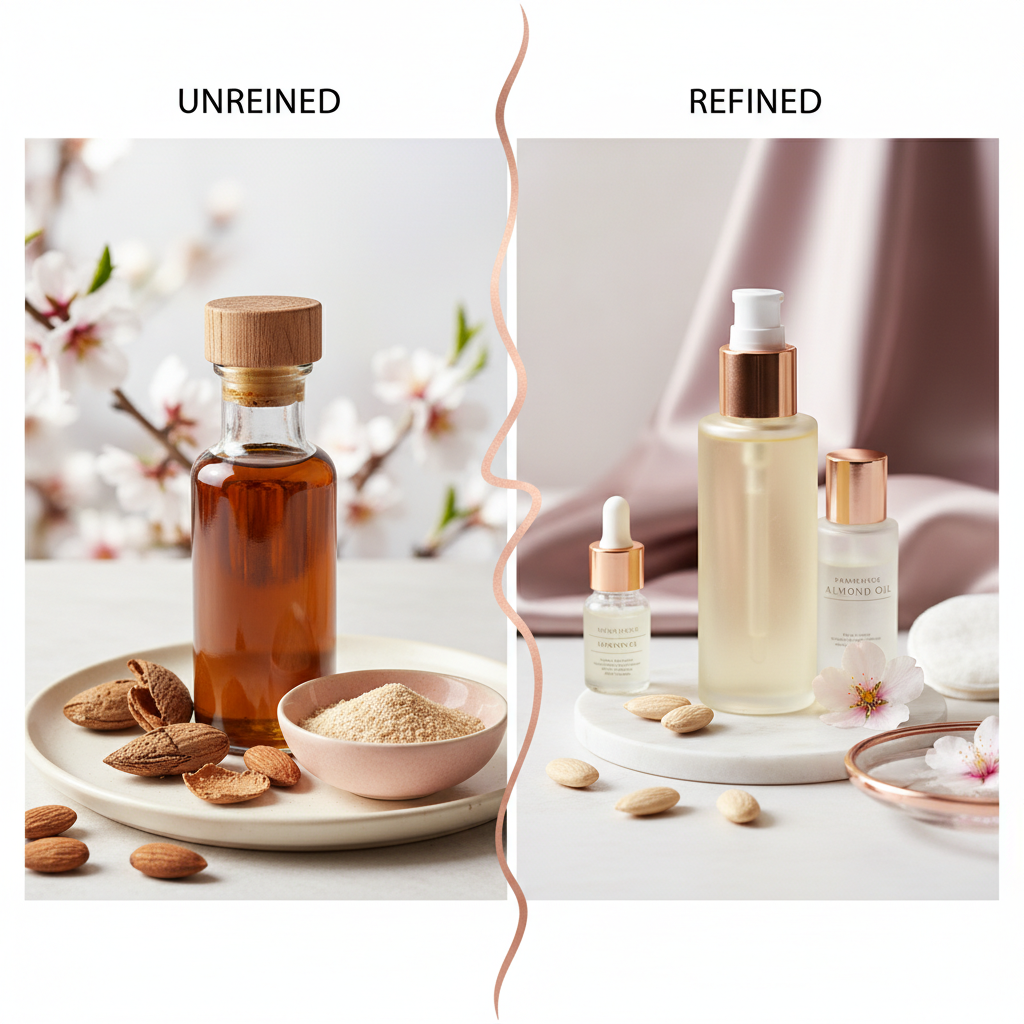
Unrefined almond oil represents the most natural form of sweet almond oil available. This grade undergoes minimal processing, typically through mechanical extraction methods that preserve the oil's natural characteristics. The result is a golden-colored oil with a subtle, nutty aroma that retains more of the almond's original compounds.
Key characteristics of unrefined almond oil include:
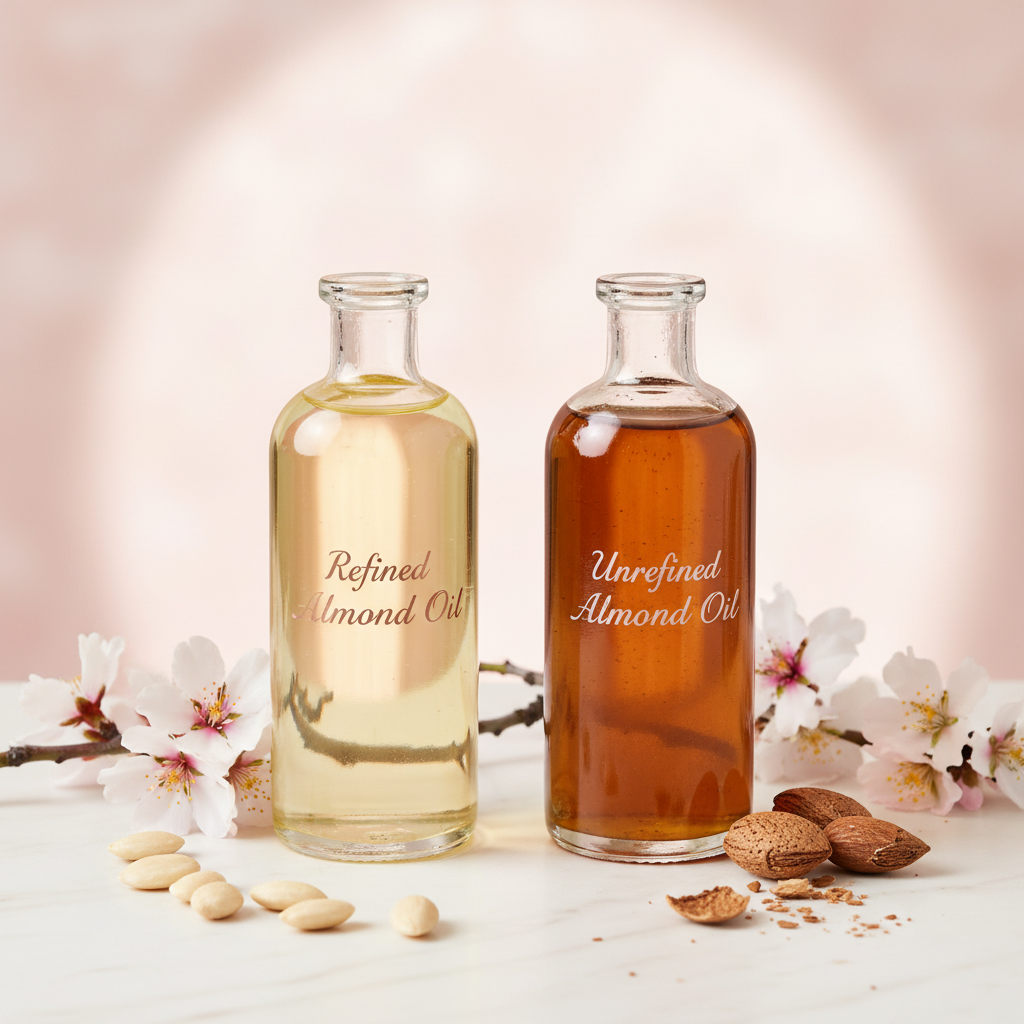
- Golden to amber color
- Mild, sweet almond scent
- Shorter shelf life (typically 6-12 months)
- Higher concentration of natural compounds
- More susceptible to temperature and light sensitivity
Many beauty enthusiasts prefer unrefined options because they undergo less chemical processing. However, the natural compounds that give unrefined oil its characteristic properties also make it more prone to rancidity.
What Is Refined Almond Oil?
Refined almond oil goes through additional processing steps to remove impurities, extend shelf life, and create a more consistent product. This processing typically involves heat treatment, chemical solvents, or both, followed by filtration and deodorization.
Refined almond oil characteristics:
- Clear to very light yellow color
- Virtually odorless
- Extended shelf life (12-24 months)
- More stable at various temperatures
- Consistent quality batch to batch
While refined oils lose some natural compounds during processing, they offer practical advantages like longer storage life and neutral scent, making them suitable for those sensitive to fragrances.
Almond Oil Grades Explained: Quality Indicators to Look For
When evaluating almond oil quality, several factors beyond the refined vs unrefined classification deserve your attention. Understanding these quality indicators will help you make informed purchasing decisions regardless of your budget.
Extraction Method
The extraction method significantly impacts oil quality and price. Cold-pressed almond oil represents the gold standard for unrefined varieties, as it uses mechanical pressure without heat, preserving delicate compounds that might otherwise be damaged.
Extraction methods to consider:
- Cold-pressed: Mechanical extraction without heat (premium quality)
- Expeller-pressed: Mechanical extraction with some heat generation (good quality)
- Solvent extraction: Chemical extraction method (typically refined oils)
Source and Origin
Almond origin affects both quality and price. Mediterranean almonds, particularly from Spain, Italy, and California, are generally considered premium sources due to ideal growing conditions and established quality standards.
Look for bottles that specify:
- Country of origin
- Harvest date or processing date
- Single-origin vs. blended sources
Packaging Quality
Proper packaging protects almond oil from its main enemies: light, heat, and air. Quality indicators include:
- Dark glass bottles (amber or cobalt blue)
- Airtight seals
- UV-protective packaging
- Appropriate bottle sizes (larger isn't always better for home use)
Key Features to Compare When Shopping
Creating a systematic approach to comparing almond oils will help you identify the best value for your specific needs. Here's a framework for evaluating different products:
Purity and Additives
Pure almond oil should contain only one ingredient: sweet almond oil (Prunus amygdalus dulcis). Be wary of products that list additional ingredients, especially:
- Mineral oils or petroleum derivatives
- Synthetic fragrances
- Preservatives beyond natural antioxidants
- Carrier oils that aren't clearly identified
Certification Standards
Third-party certifications provide quality assurance and verify claims made by manufacturers. Look for:
- Organic certification: USDA Organic, ECOCERT, or equivalent
- Non-GMO verification: Ensures almonds aren't genetically modified
- Fair trade certification: Indicates ethical sourcing practices
- Kosher/Halal certification: If relevant to your dietary requirements
Price per Ounce Analysis
Almond oil prices vary significantly based on quality, processing method, and brand positioning. Calculate price per ounce to make fair comparisons:
| Quality Tier | Typical Price Range (per oz) | Expected Characteristics |
|---|---|---|
| Budget ($1-3/oz) | Refined, possibly blended | Basic quality, extended shelf life |
| Mid-range ($3-6/oz) | Cold-pressed or premium refined | Good quality, single-source |
| Premium ($6-12/oz) | Organic, cold-pressed, specialty | Highest quality, certified organic |
Top Picks by Category and Price Point
Based on quality indicators, customer reviews, and value analysis, here are our recommendations across different categories and budgets:
Best Budget Refined Almond Oil
Category: Everyday use, sensitive to price
For budget-conscious shoppers, look for refined almond oils from established beauty or health brands. These typically offer:
- Consistent quality and long shelf life
- Neutral scent suitable for sensitive individuals
- Good value for large quantities
- Versatility for both skincare and culinary applications
Key features to prioritize in this category: clear labeling of contents, reputable brand with quality control standards, and appropriate packaging that protects from light.
Best Mid-Range Unrefined Almond Oil
Category: Quality-conscious, natural preferences
Mid-range unrefined options offer an excellent balance of quality and value. Look for products that feature:
- Cold-pressed or expeller-pressed extraction
- Single-origin sourcing with clear provenance
- Minimal processing while maintaining stability
- Appropriate packaging for preservation
This category often provides the best value for those seeking natural products without premium pricing.
Best Premium Organic Almond Oil
Category: Luxury natural products, ethical sourcing
Premium organic almond oils justify higher prices through:
- Certified organic almonds from premium growing regions
- Small-batch processing for quality control
- Superior packaging and presentation
- Comprehensive testing and quality assurance
- Sustainable and ethical sourcing practices
These products typically offer the highest concentration of natural compounds and most authentic almond characteristics.
Best Versatile All-Purpose Option
Category: Multi-use applications
For those seeking one oil for multiple purposes (skincare, hair care, and light cooking), consider lightly refined or expeller-pressed options that offer:
- Stable quality across different applications
- Moderate processing that retains beneficial properties
- Reasonable shelf life for varied use patterns
- Food-grade quality standards
Red Flags to Avoid When Shopping
Protecting yourself from low-quality or mislabeled products requires awareness of common warning signs. Here are critical red flags that should make you reconsider a purchase:
Labeling and Marketing Red Flags
- Vague origin claims: "Imported" or "Natural" without specific sourcing information
- Unrealistic health promises: Claims about treating, curing, or preventing medical conditions
- "Pure" without ingredient listing: Legitimate pure oils clearly state "100% Sweet Almond Oil"
- Excessive marketing buzzwords: Over-the-top claims without substance
Quality and Safety Warning Signs
- Suspiciously low prices: Genuine cold-pressed almond oil has production costs that set price floors
- Poor packaging: Clear plastic bottles or inadequate sealing
- No expiration date: Quality oils should have clear dating
- Missing contact information: Reputable brands provide customer service details
Ingredient and Formulation Concerns
- Unlisted additives: Oils that feel or smell different than expected may contain undisclosed ingredients
- Synthetic fragrances: "Almond-scented" oils may contain artificial fragrances rather than natural almond oil
- Mineral oil blends: Some products blend almond oil with cheaper alternatives without clear labeling
Where to Buy: Shopping Channels Compared
Your choice of shopping venue affects product selection, pricing, and quality assurance. Each channel has distinct advantages and considerations:
Online Retailers
Advantages:
- Extensive selection and easy comparison shopping
- Customer reviews and ratings for quality insights
- Competitive pricing and frequent promotions
- Convenient delivery and bulk purchasing options
Considerations:
- Cannot physically inspect products before purchase
- Storage and shipping conditions may affect quality
- Higher risk of counterfeit products on some platforms
- Return processes may be cumbersome for liquid products
Best practices for online shopping:
- Purchase from authorized dealers or brand direct
- Read recent customer reviews carefully
- Check seller ratings and return policies
- Verify product authenticity through brand websites
Health Food Stores and Natural Markets
Advantages:
- Curated selection of quality products
- Knowledgeable staff for product guidance
- Ability to inspect packaging and labeling
- Often carry premium and organic options
Considerations:
- Limited selection compared to online options
- Generally higher prices due to retail overhead
- Stock rotation may affect freshness
- Geographic limitations on product availability
Beauty Supply Stores
Advantages:
- Focus on cosmetic-grade products
- Professional recommendations available
- Often carry both refined and unrefined options
- Frequent sales and promotional pricing
Considerations:
- May prioritize cosmetic over food-grade quality
- Limited information about sourcing and processing
- Staff knowledge varies significantly by location
Storage and Shelf Life Considerations
Your choice between refined vs unrefined almond oil should factor in how you plan to store and use the product. Different grades have varying stability and storage requirements:
Unrefined Almond Oil Storage
Unrefined varieties require more careful handling due to their natural compounds:
- Store in cool, dark locations (pantry or refrigerator)
- Use within 6-12 months of opening
- Monitor for changes in scent, color, or texture
- Consider smaller bottle sizes if usage is infrequent
Refined Almond Oil Storage
Refined oils offer more storage flexibility:
- Stable at room temperature in dark locations
- Typically maintains quality for 12-24 months
- Less susceptible to temperature fluctuations
- Better option for bulk purchasing
Making Your Final Decision
Choosing between refined vs unrefined almond oil ultimately depends on your priorities, usage patterns, and budget. Consider these final decision factors:
Choose Unrefined If:
- You prefer minimal processing in beauty products
- Natural scent and color don't concern you
- You'll use the oil relatively quickly
- You're willing to pay premium prices for natural characteristics
- Proper storage conditions are available
Choose Refined If:
- Neutral scent and appearance are important
- You need longer shelf life for occasional use
- Budget constraints are a primary concern
- You prefer consistent product characteristics
- Storage conditions are less than ideal
Conclusion: Finding Your Perfect Almond Oil Match
Understanding the differences between refined vs unrefined almond oil empowers you to make confident purchasing decisions based on your specific needs rather than marketing claims. Whether you choose the natural characteristics of unrefined oil or the practical advantages of refined varieties, focus on quality indicators like extraction methods, sourcing transparency, and appropriate packaging.
Remember that the "best" almond oil is the one that matches your usage patterns, storage capabilities, and personal preferences. By applying the evaluation criteria outlined in this guide, you'll be able to identify quality products across all price points and make purchases that deliver genuine value.
Take time to read labels carefully, research brands thoroughly, and don't hesitate to start with smaller quantities to test quality before making bulk purchases. With these insights, you're well-equipped to navigate the almond oil market and find products that meet your standards for quality, value, and performance.