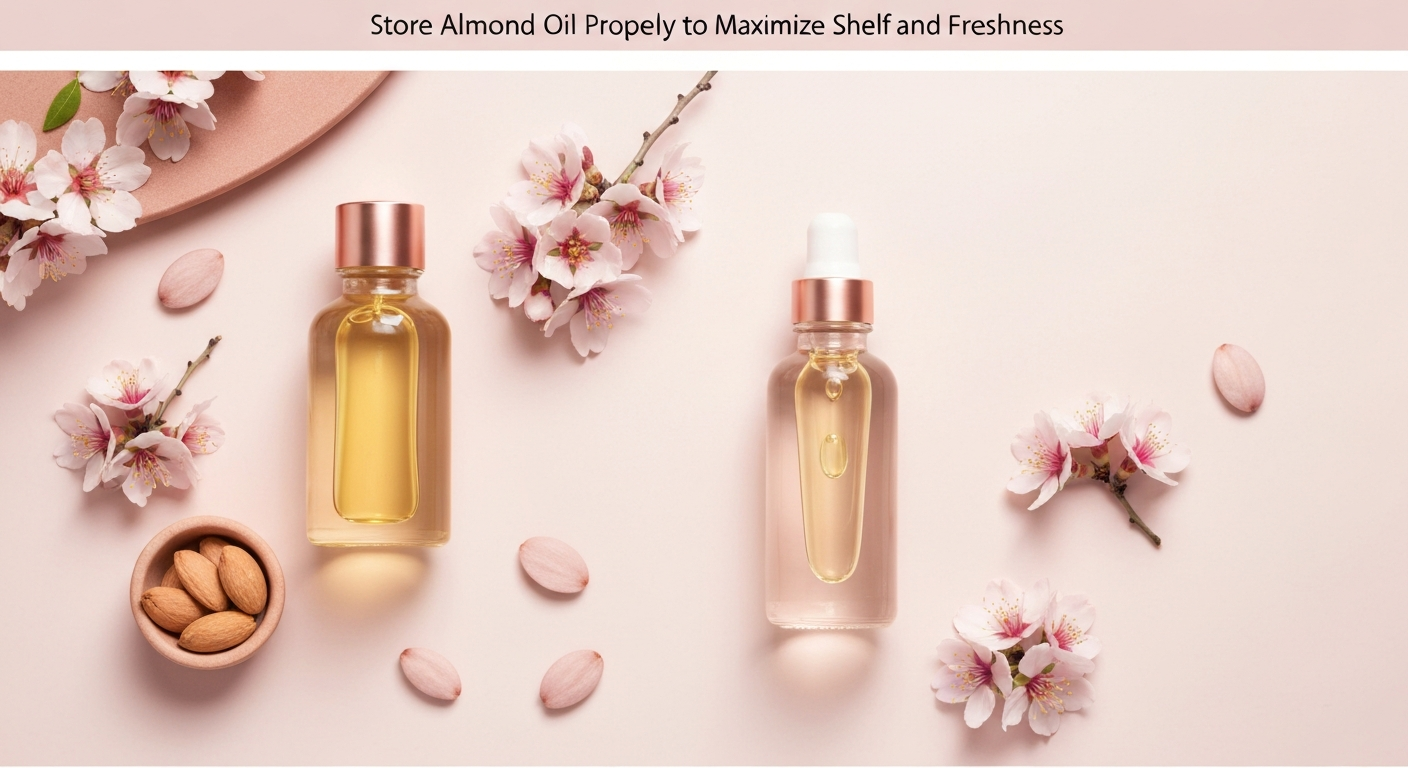
How to Store Almond Oil Properly to Maximize Shelf Life and Freshness
Sweet almond oil is a beloved beauty staple, prized for its gentle nature and versatility in skincare and haircare routines. But like all natural oils, proper storage is crucial for maintaining its quality and extending its useful life. Whether you've invested in premium cold-pressed almond oil or picked up a bottle from your local health store, knowing how to store almond oil correctly can make the difference between a product that serves you well for months and one that goes rancid within weeks.
In this comprehensive guide, we'll walk through everything you need to know about almond oil storage, from the ideal conditions to common mistakes that can shorten your oil's lifespan. By following these simple steps, you may help ensure your almond oil stays fresh and effective for as long as possible.
Understanding Almond Oil Shelf Life
Before diving into storage techniques, it's helpful to understand the basics of almond oil shelf life. Pure sweet almond oil typically has a shelf life of 6-12 months when stored properly, though this can vary based on several factors:
- Processing method: Cold-pressed oils generally have a shorter shelf life than refined oils due to higher nutrient content
- Quality of source almonds: Fresh, high-quality almonds produce oil with better longevity
- Packaging: Dark glass bottles protect oil better than clear plastic containers
- Storage conditions: Temperature, light exposure, and air contact all impact freshness
The question "does almond oil expire?" is common, and the answer is yes—like all natural oils, almond oil can go rancid over time. Rancid oil not only smells unpleasant but may also lose its beneficial properties and could potentially cause skin irritation.
Materials Needed for Proper Almond Oil Storage
Gathering the right storage materials is your first step toward preserving your almond oil's quality. Here's what you'll need:
Essential Storage Supplies
- Dark glass bottles: Amber or cobalt blue glass containers (avoid clear glass)
- Tight-fitting caps or droppers: To minimize air exposure
- Labels: For dating your oil and tracking freshness
- Clean funnel: If transferring oil to new containers
Optional But Helpful Items
- Small bottles for daily use: To avoid repeatedly opening your main storage bottle
- Permanent marker: For clear labeling
- Cotton pads: For cleaning bottles if needed
Step-by-Step Almond Oil Storage Guide
Step 1: Choose the Right Container
If your almond oil didn't come in ideal packaging, transferring it to a better container is your first priority. Organic almond oil and other high-quality varieties deserve proper protection.
Best container options:
- Dark amber glass bottles (blocks 99% of UV light)
- Cobalt blue glass containers (excellent light protection)
- Food-grade stainless steel containers (though less common for oils)
Containers to avoid:
- Clear glass or plastic bottles
- Containers with loose-fitting lids
- Metal containers that aren't food-grade
Step 2: Prepare Your Storage Container
- Clean your chosen container thoroughly with warm, soapy water
- Rinse completely and allow to air dry
- Ensure no soap residue remains, as this can affect oil quality
- If using a previously used container, ensure it's completely odor-free
Step 3: Transfer the Oil (If Necessary)
- Use a clean funnel to transfer oil to your storage container
- Fill the container, leaving minimal headspace to reduce air exposure
- Wipe down the bottle exterior with a clean cloth
- Secure the cap tightly to create an airtight seal
Step 4: Label Your Container
Proper labeling is crucial for tracking your almond oil's freshness:
- Write the date you opened or transferred the oil
- Note the expiration date (typically 6-12 months from opening)
- Include the oil type if you store multiple varieties
- Consider noting the source or brand for quality tracking
Step 5: Select the Ideal Storage Location
Location is critical for maximizing almond oil shelf life. Your storage spot should meet these criteria:
- Cool temperature: 60-70°F (15-21°C) is ideal
- Dark environment: Away from direct sunlight and artificial light
- Dry conditions: Low humidity to prevent contamination
- Stable conditions: Avoid areas with temperature fluctuations
Ideal storage locations:
- Cool, dark pantry or cupboard
- Bedroom closet shelf
- Basement storage area (if dry and temperature-controlled)
Locations to avoid:
- Bathroom medicine cabinets (too humid)
- Kitchen counters near stoves or windows
- Refrigerator (can cause condensation issues)
- Attics or garages (temperature extremes)
Advanced Almond Oil Storage Tips
The Portion Control Method
For frequently used almond oil, consider dividing your supply:
- Keep your main supply in a larger, dark storage container
- Transfer small amounts to a smaller daily-use bottle
- This minimizes air exposure to your main supply
- Refill your small bottle as needed
Refrigeration Considerations
While room temperature storage is generally preferred, refrigeration may be beneficial in certain situations:
When to consider refrigeration:
- Extremely hot climates where room temperature exceeds 75°F
- Long-term storage of unopened bottles
- If you notice early signs of rancidity
Refrigeration tips:
- Allow oil to come to room temperature before use
- Use airtight containers to prevent moisture absorption
- Store in the main refrigerator compartment, not the door
Common Storage Mistakes to Avoid
Even well-intentioned storage efforts can go wrong. Here are the most common mistakes that can shorten your almond oil's lifespan:
Light Exposure
Storing oil in clear containers or sunny locations accelerates oxidation and rancidity. Always prioritize dark storage conditions.
Heat Damage
Leaving oil near heat sources like stoves, radiators, or in hot cars can quickly degrade quality. Consistent cool temperatures are essential.
Air Exposure
Failing to tighten caps or using containers with poor seals allows oxygen to interact with the oil, speeding up the rancidity process.
Cross-Contamination
Using dirty containers or utensils when handling oil can introduce bacteria and other contaminants that affect quality.
Ignoring Expiration Signs
Continuing to use oil that smells off or has changed in appearance can lead to disappointing results and potential skin irritation.
How to Tell If Your Almond Oil Has Gone Bad
Regular quality checks help ensure you're always using fresh oil. Learning to test almond oil purity and freshness is a valuable skill for any oil enthusiast.
Signs of Rancid Almond Oil
Smell test:
- Fresh almond oil has a mild, nutty, pleasant aroma
- Rancid oil smells sour, bitter, or like old crayons
- Any sharp, unpleasant odor indicates spoilage
Visual inspection:
- Fresh oil is clear and light golden in color
- Cloudy or darkened oil may indicate degradation
- Any visible particles or sediment suggest contamination
Texture changes:
- Fresh oil feels smooth and lightweight
- Sticky or thick consistency may indicate oxidation
- Any grittiness suggests contamination
Maximizing Your Investment
Proper storage isn't just about preservation—it's about maximizing the value of your investment. High-quality almond oil represents a significant purchase, and proper storage techniques may help you:
- Extend usable life by several months
- Maintain the oil's natural properties longer
- Reduce waste and save money over time
- Ensure consistent quality in your beauty routine
Seasonal Storage Considerations
Your almond oil storage strategy may need seasonal adjustments:
Summer Storage
- Monitor storage areas for temperature increases
- Consider moving oils to cooler locations during heat waves
- Check more frequently for signs of degradation
Winter Storage
- Ensure storage areas don't become too dry from heating systems
- Avoid storing near heat sources like radiators
- Cold oil may thicken slightly—this is normal and reversible
Conclusion
Proper almond oil storage is both an art and a science, but the principles are straightforward: keep it cool, dark, and sealed tight. By following these detailed almond oil storage tips, you may significantly extend your oil's shelf life while maintaining its quality and effectiveness.
Remember that fresh, properly stored almond oil not only performs better in your beauty routine but also provides better value for your investment. The small effort required for proper storage pays dividends in the form of consistently fresh, effective oil that supports your skincare and haircare goals.
Whether you're new to using almond oil or a longtime enthusiast, these storage techniques will help ensure that every drop of your precious oil remains as fresh and beneficial as possible. Take the time to implement these practices, and you'll likely notice the difference in both the longevity of your oil and the consistency of your results.