DIY Almond Oil and Rosemary Scalp Treatment for Thinning Hair
Creating your own nourishing scalp treatment at home can be both rewarding and budget-friendly. This almond oil rosemary scalp treatment combines the moisturizing properties of sweet almond oil with the aromatic qualities of rosemary essential oil. Many people enjoy using this simple blend as part of their regular hair care routine, particularly those looking to pamper their scalp and hair with natural ingredients.
Sweet almond oil has been traditionally used in beauty routines for centuries, while rosemary essential oil is beloved for its invigorating scent and potential to support scalp circulation when properly diluted. This DIY hair growth oil recipe is perfect for beginners and can be customized to suit your preferences.
What You'll Need
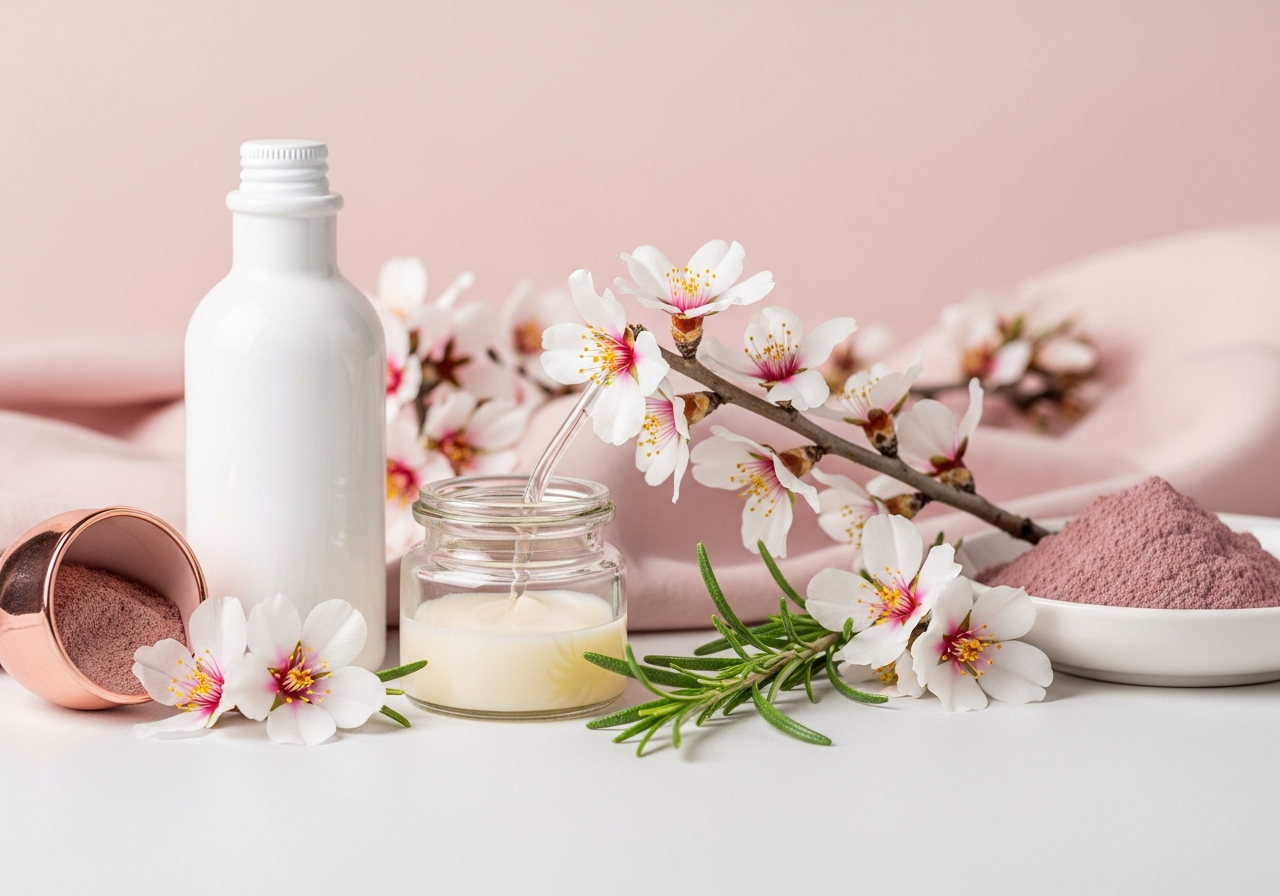
Ingredients
- 4 tablespoons (60ml) sweet almond oil (carrier oil base)
- 8-10 drops rosemary essential oil
- Optional: 3-4 drops lavender essential oil for additional scent
- Optional: 1 teaspoon vitamin E oil (natural preservative)
Equipment
- Small glass mixing bowl
- Glass dropper bottle or small jar with tight-fitting lid
- Small funnel (optional, for easier transfer)
- Measuring spoons
- Small whisk or stirring stick
Recipe Details
Difficulty Level: Beginner
Prep Time: 10 minutes
Yield: Approximately 2 ounces
Shelf Life: 6-12 months when stored properly
Step-by-Step Instructions
Step 1: Prepare Your Workspace
Clean and sanitize all equipment with rubbing alcohol. Work in a clean area away from direct sunlight and heat sources. Have all ingredients within easy reach.
Step 2: Measure the Base Oil
Pour 4 tablespoons of sweet almond oil into your clean glass mixing bowl. Sweet almond oil serves as the carrier oil in this rosemary almond oil recipe, providing the base for diluting the essential oils safely.
Step 3: Add Essential Oils
Add 8-10 drops of rosemary essential oil to the almond oil. If using lavender essential oil, add 3-4 drops now. This dilution ratio creates approximately a 1-1.5% concentration, which is considered appropriate for scalp application by many aromatherapy practitioners.
Step 4: Include Vitamin E (Optional)
If using vitamin E oil as a natural preservative, add 1 teaspoon to the mixture. This may help extend the shelf life of your blend.
Step 5: Mix Thoroughly
Gently whisk or stir the oils together for 30-60 seconds, ensuring all ingredients are well combined. The mixture should appear uniform without any separation.
Step 6: Transfer to Storage Container
Using a small funnel if needed, carefully pour the finished oil blend into your clean glass storage container. Seal tightly with the lid.
Step 7: Label Your Creation
Label your container with the contents and date of creation. This helps track freshness and ensures safe use.
How to Use Your Scalp Treatment
To use your homemade scalp treatment, apply a small amount to your fingertips and gently massage into your scalp using circular motions. Many people enjoy using this treatment 1-2 times per week, leaving it on for 30 minutes to several hours before shampooing as usual. Some prefer to apply it overnight for an intensive treatment.
For those interested in learning more about almond oil for hair growth benefits, this treatment can be part of a comprehensive hair care routine that focuses on scalp health and nourishment.
Safety Warnings and Contraindications
⚠️ Important Safety Information
- Patch Test Required: Always perform a patch test 24-48 hours before first use. Apply a small amount to your inner wrist or behind your ear and wait for any adverse reactions.
- Proper Dilution: Never use essential oils undiluted on skin. This recipe maintains a safe 1-1.5% dilution ratio.
- Pregnancy and Nursing: Consult with a qualified healthcare provider before using essential oils during pregnancy or while breastfeeding.
- Children: Not recommended for children under 6 years old. For older children, use only half the amount of essential oils.
- Allergies: Avoid if you have known allergies to almonds, tree nuts, or rosemary.
- Medical Conditions: Those with epilepsy or high blood pressure should consult a healthcare provider before using rosemary essential oil.
- Sun Sensitivity: While rosemary oil is not typically photosensitizing, avoid direct sun exposure after application as a precaution.
Storage Instructions
Store your almond oil scalp treatment in a cool, dark place away from direct sunlight and heat. A bathroom cabinet or bedroom drawer works well. The blend should maintain its quality for 6-12 months when stored properly in a sealed glass container.
Signs that your oil blend may need to be replaced include:
- Rancid or off odors
- Change in color or consistency
- Separation that doesn't resolve with gentle mixing
- Skin irritation upon use (discontinue immediately)
Variations and Substitutions
Essential Oil Alternatives
If you don't have rosemary essential oil, consider these alternatives in the same dilution ratio:
- Peppermint oil: May provide a cooling, tingling sensation (use only 4-6 drops due to potency)
- Cedarwood oil: Offers a warm, woody scent
- Thyme oil: Another herb traditionally used in hair care (use only 6-8 drops)
Carrier Oil Substitutions
While sweet almond oil is excellent for this recipe, you can substitute with:
- Jojoba oil: Technically a wax, closely mimics natural sebum
- Argan oil: Lightweight and absorbs quickly
- Grapeseed oil: Light texture, good for oily scalps
- Fractionated coconut oil: Remains liquid at room temperature
For more information about essential oil dilution with almond oil, proper ratios are crucial for safe and effective use.
Maximizing Your Results
While this DIY treatment can be a wonderful addition to your hair care routine, remember that individual results may vary. Some people report that regular scalp massage with nourishing oils helps them maintain scalp health and may support their overall hair care goals.
Consider incorporating these complementary practices:
- Gentle scalp massage during application
- Using a wide-tooth comb to distribute the oil
- Wrapping hair in a warm towel during treatment
- Following with a gentle, sulfate-free shampoo
Cost Comparison
Creating this treatment at home can be significantly more economical than purchasing similar commercial products. A single batch typically costs $3-5 to make, depending on the quality of oils used, while comparable store-bought treatments often range from $15-30.
Final Thoughts
This simple almond oil rosemary scalp treatment represents an accessible entry point into natural hair care. By following proper safety guidelines and using quality ingredients, you can create a luxurious scalp treatment that many people find enjoyable and nourishing.
Remember that consistency is key with any hair care routine. While this treatment may support your scalp care goals, it's important to maintain realistic expectations and consult with a qualified healthcare provider if you have specific concerns about hair loss or scalp conditions.
Enjoy the process of creating your own natural beauty products, and don't hesitate to experiment with the variations once you've mastered the basic recipe. Your scalp will thank you for the extra attention and nourishment!