Best Cold-Pressed Almond Oil Brands: Why Processing Matters for Results
When you're shopping for almond oil, you'll notice that "cold-pressed" appears on many premium labels—but what does this actually mean for your beauty routine? The truth is, processing method dramatically affects the quality, nutrient retention, and overall performance of your almond oil. Understanding these differences can help you choose a product that delivers the smooth skin and healthy hair results you're looking for.
In this comprehensive buying guide, we'll walk you through everything you need to know about selecting the best cold pressed almond oil brands, from quality indicators to watch for to top picks across different price ranges. Whether you're a first-time buyer or looking to upgrade your current bottle, this guide will help you make an informed decision.
Why Cold-Pressed Processing Makes All the Difference
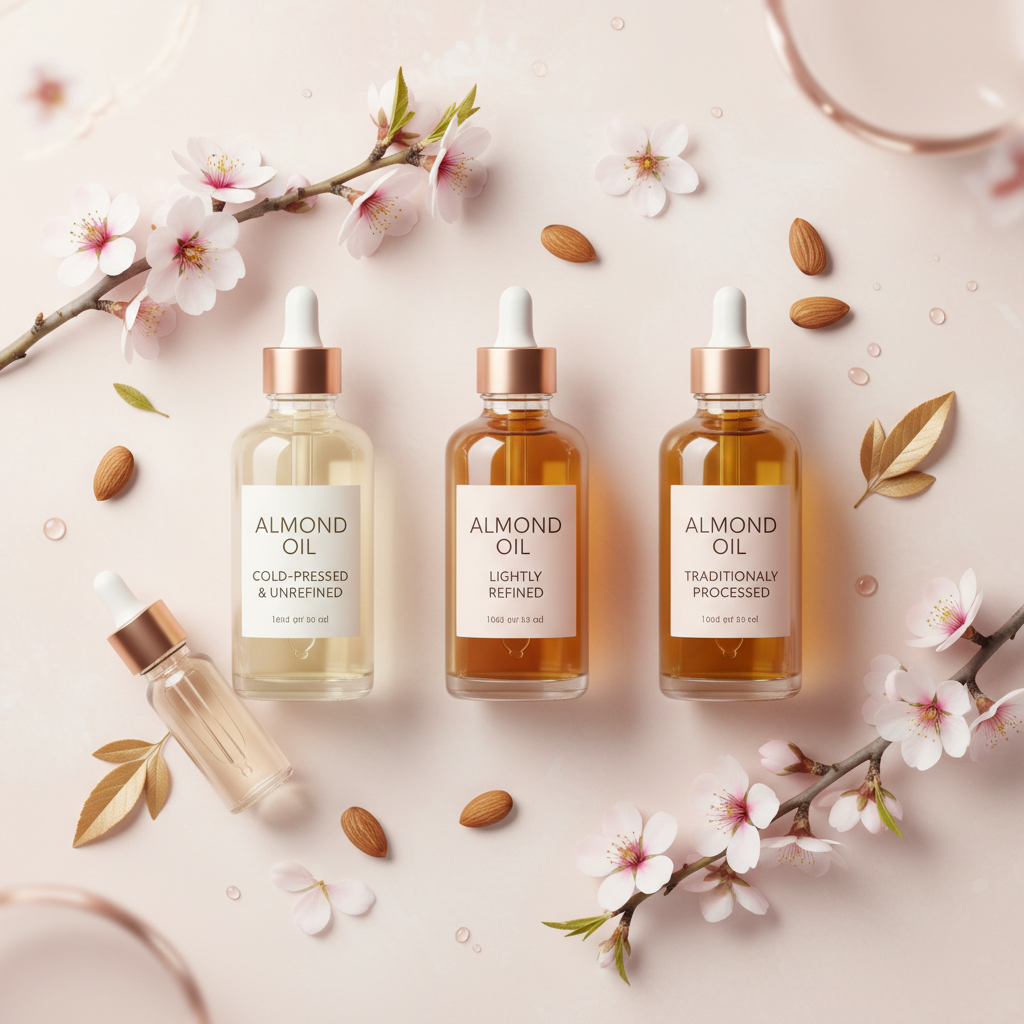
Before diving into our cold pressed almond oil buying guide, it's essential to understand why processing method matters so much. Cold-pressed extraction uses mechanical pressure without heat to extract oil from almonds, typically keeping temperatures below 120°F (49°C). This gentle process may help preserve:
- Natural vitamin E content
- Essential fatty acids like oleic and linoleic acid
- Delicate compounds that contribute to the oil's nourishing properties
- The oil's natural golden color and mild, nutty aroma
In contrast, conventional extraction often uses high heat or chemical solvents, which can potentially degrade these valuable components. That's why many beauty enthusiasts specifically seek out cold-pressed almond oil for their skincare and haircare routines.
Essential Quality Indicators to Look For
When evaluating different cold-pressed almond oil brands, certain quality markers can help you identify superior products. Here's what to examine on labels and product descriptions:
Processing and Extraction Method
Look for clear labeling that states "cold-pressed," "expeller-pressed," or "mechanically pressed." Avoid products that don't specify their extraction method, as they may use heat or chemical processing.
Color and Clarity
High-quality cold-pressed almond oil typically has a light golden color and clear appearance. It should never appear cloudy (unless it's unrefined and settling is normal) or have an overly dark hue, which might indicate over-processing or rancidity.
Aroma Profile
Fresh cold-pressed almond oil should have a mild, pleasant nutty scent. Strong, bitter, or "off" odors may indicate poor quality or rancid oil.
Source and Origin
Premium brands often specify where their almonds are sourced. California, Mediterranean regions, and certain parts of Australia are known for producing high-quality sweet almonds suitable for oil extraction.
Packaging Considerations
Quality almond oil should come in dark glass bottles or UV-protective containers. Clear plastic bottles offer little protection against light damage, which can degrade the oil's quality over time.
Organic vs. Conventional: Making the Choice
Many of the top cold pressed almond oil brands offer both organic and conventional options. Here's what to consider when deciding between them:
Organic Certification Benefits
Organic almond oil comes from almonds grown without synthetic pesticides, herbicides, or fertilizers. The organic certification process also ensures no chemical solvents were used during extraction. For those prioritizing clean beauty routines, organic options provide additional peace of mind.
Cost Considerations
Organic cold-pressed almond oil typically costs 20-40% more than conventional varieties. Consider your budget and how frequently you'll use the oil when making this decision.
Performance Differences
In terms of moisturizing and nourishing properties, both organic and conventional cold-pressed almond oils perform similarly. The choice often comes down to personal values regarding farming practices and environmental impact.
Top Cold-Pressed Almond Oil Brands by Price Category
Based on quality indicators, customer feedback, and industry reputation, here are our top picks across different price ranges:
Premium Tier ($15-25 for 4 oz)
Brand A: Mountain Rose Herbs Sweet Almond Oil
This USDA organic, cold-pressed option consistently receives high ratings for purity and freshness. The company provides detailed sourcing information and uses amber glass bottles for optimal preservation. Users frequently praise its light texture and subtle almond scent.
Brand B: NOW Solutions Sweet Almond Oil
A reliable choice that offers both organic and conventional options. Their cold-pressed varieties maintain good consistency in quality, and the brand has established trust through decades in the natural products industry.
Mid-Range Options ($8-15 for 4 oz)
Brand C: Cliganic Organic Sweet Almond Oil
This USDA organic, cold-pressed oil provides excellent value for money. It comes in UV-protective packaging and consistently maintains quality standards that rival more expensive brands.
Brand D: Majestic Pure Sweet Almond Oil
Known for their therapeutic-grade standards (though we focus on quality, not medical claims), this brand offers cold-pressed almond oil that many users find suitable for both skin and hair care routines.
Budget-Friendly Choices ($5-10 for 4 oz)
Brand E: Life-flo Pure Sweet Almond Oil
While not organic, this cold-pressed option maintains good quality at an accessible price point. The company focuses on purity testing and provides a reliable product for those starting their natural beauty journey.
Brand F: Heritage Store Sweet Almond Oil
A long-established brand offering cold-pressed almond oil with consistent quality. Their larger size options provide good value for regular users.
Red Flags to Avoid When Shopping
Not all almond oil products are created equal. Here are warning signs that might indicate lower quality or potentially problematic products:
Vague Processing Claims
Avoid products that don't clearly state their extraction method. Terms like "pure" or "natural" don't guarantee cold-pressed processing.
Unusually Low Prices
While budget-friendly options exist, extremely cheap almond oil may indicate dilution with other oils, poor quality almonds, or inferior processing methods.
No Expiration Date
Quality almond oil should have a clear expiration or "best by" date. Oil without dating information may have been sitting in inventory too long.
Missing Origin Information
Reputable brands typically provide information about where their almonds are sourced. Complete lack of origin details may indicate less careful sourcing practices.
Unrealistic Claims
Be wary of products making exaggerated beauty claims or suggesting medical benefits. Quality speaks for itself without hyperbolic marketing language.
How to Test Your Almond Oil's Quality
Once you've purchased your cold-pressed almond oil, you can perform simple quality assessments at home. Our detailed almond oil purity test guide covers various methods, but here are basic indicators:
Visual Inspection
Fresh, high-quality almond oil should be clear with a light golden tint. Cloudiness might indicate moisture content or beginning spoilage, while very dark colors may suggest over-processing.
Scent Test
Good almond oil has a mild, pleasant nutty aroma. Rancid oil will smell sharp, bitter, or unpleasantly strong.
Texture Assessment
Quality almond oil should feel smooth and absorb readily into skin without leaving an overly greasy residue.
Shelf Life Monitoring
Properly stored cold-pressed almond oil typically maintains quality for 6-12 months. Monitor for changes in color, scent, or texture that might indicate deterioration.
Where to Buy: Retail Options Compared
The best place to purchase your cold-pressed almond oil depends on your priorities regarding price, selection, and convenience:
Online Retailers
Advantages: Widest selection, competitive pricing, customer reviews, bulk options
Considerations: Can't inspect the product before purchase, shipping time, temperature exposure during transit
Health Food Stores
Advantages: Knowledgeable staff, ability to examine products, often carry premium brands
Considerations: Limited selection, potentially higher prices, may require visiting multiple stores
Beauty Supply Stores
Advantages: Beauty-focused selection, often carry carrier oils specifically for cosmetic use
Considerations: May focus more on cosmetic grade rather than food-grade options, varying quality standards
Specialty Oil Retailers
Advantages: Expert knowledge, highest quality options, detailed product information
Considerations: Higher prices, may require special ordering, limited locations
Storage and Shelf Life Optimization
Proper storage significantly impacts your almond oil's longevity and quality retention:
Ideal Storage Conditions
- Cool, dry place away from direct sunlight
- Temperatures between 60-70°F (15-21°C) when possible
- Tightly sealed containers to prevent oxidation
- Away from heat sources like stoves or heating vents
Signs It's Time to Replace
Even the highest quality cold-pressed almond oil won't last forever. Replace your oil if you notice:
- Rancid or bitter odor
- Significant color changes
- Unusual texture or consistency
- Skin irritation that wasn't present before
Making Your Final Decision
Choosing among the best cold pressed almond oil brands ultimately depends on your specific needs, budget, and quality priorities. Consider these final factors:
Intended Use
If you plan to use almond oil daily for skin moisturizing, investing in a premium organic option might be worthwhile. For occasional hair treatments, a mid-range option could provide excellent value.
Quantity Needs
Regular users might benefit from larger bottles, while those new to almond oil should start with smaller sizes to test compatibility and preferences.
Budget Balance
Remember that higher price doesn't always equal better quality, but extremely low prices often indicate compromised processing or sourcing.
Brand Reliability
Established brands with good reputations and responsive customer service provide additional peace of mind, especially for online purchases.
Conclusion: Your Path to Premium Almond Oil
Finding the right cold-pressed almond oil doesn't have to be overwhelming. By focusing on quality indicators like processing method, packaging, and sourcing transparency, you can identify products that will enhance your beauty routine effectively. Whether you choose a premium organic option or a reliable budget-friendly brand, the key is selecting an authentic cold-pressed product that meets your specific needs.
Remember that the best cold pressed almond oil brands combine quality sourcing, careful processing, and proper packaging to deliver a product that maintains its beneficial properties over time. Take time to research your options, read customer reviews, and don't hesitate to start with smaller sizes to find your perfect match.
With this comprehensive buying guide in hand, you're well-equipped to make an informed decision that will support your skin and hair care goals for months to come. Happy shopping, and enjoy discovering the nourishing benefits that quality cold-pressed almond oil can bring to your beauty routine!