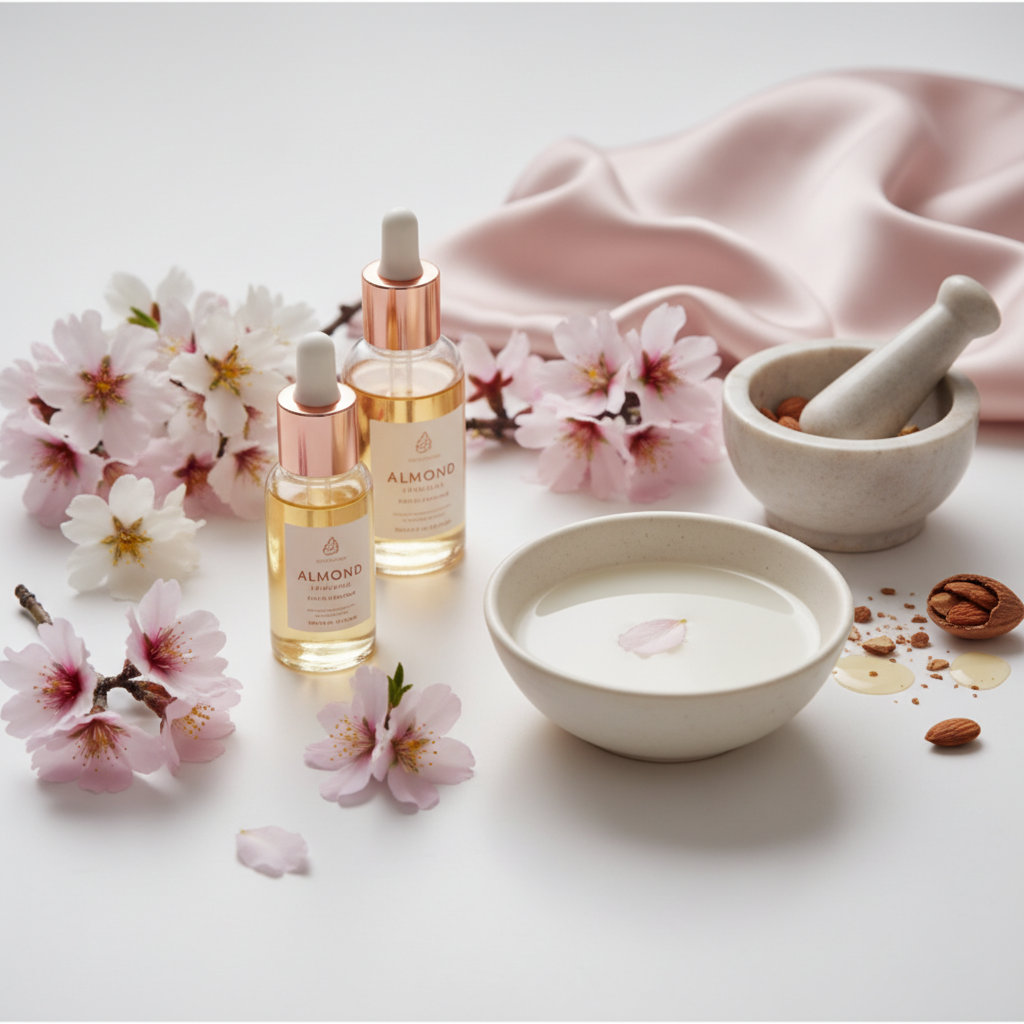
Best Almond Oil for Skin: A Buyer's Guide to Choosing the Right Formula
With countless almond oil products flooding the beauty market, finding the best almond oil for skin can feel overwhelming. Whether you're seeking a luxurious facial oil or an affordable body moisturizer, the quality and characteristics of almond oil can vary dramatically between brands and formulations.
This comprehensive almond oil for skin buying guide will help you navigate the options, understand quality indicators, and make an informed choice that suits your skincare needs and budget. From cold-pressed purity to packaging considerations, we'll cover everything you need to know to select the right formula for your unique skin type.
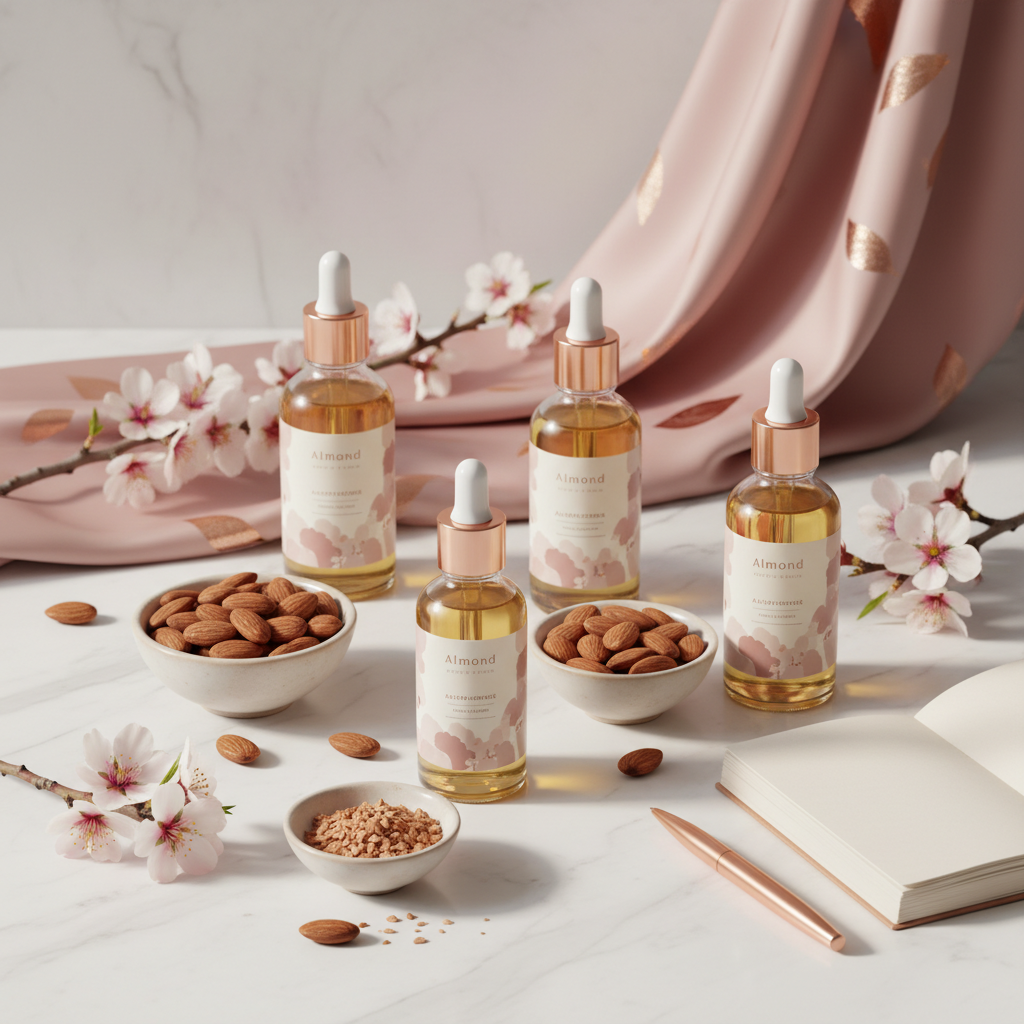
Understanding Almond Oil Quality: What Makes the Difference
Not all almond oils are created equal. The extraction method, source quality, and processing standards significantly impact the final product's effectiveness and safety for skincare use.
Sweet vs. Bitter Almond Oil
When shopping for skincare, you want sweet almond oil exclusively. Sweet almond oil comes from edible almonds and is gentle, nourishing, and safe for topical use. Bitter almond oil, derived from bitter almonds, contains compounds that can be harmful and should never be used in skincare applications.
Extraction Methods That Matter
The extraction method is perhaps the most critical factor in determining oil quality:
- Cold-pressed: The gold standard for skincare oils. This mechanical extraction preserves nutrients, vitamins, and beneficial compounds without heat damage.
- Expeller-pressed: Uses mechanical pressure with some heat. Still good quality but may lose some delicate nutrients.
- Solvent extraction: Uses chemicals to extract oil. Often leaves residues and strips beneficial compounds. Avoid for skincare.
Always prioritize cold-pressed options when selecting almond oil for skin applications.
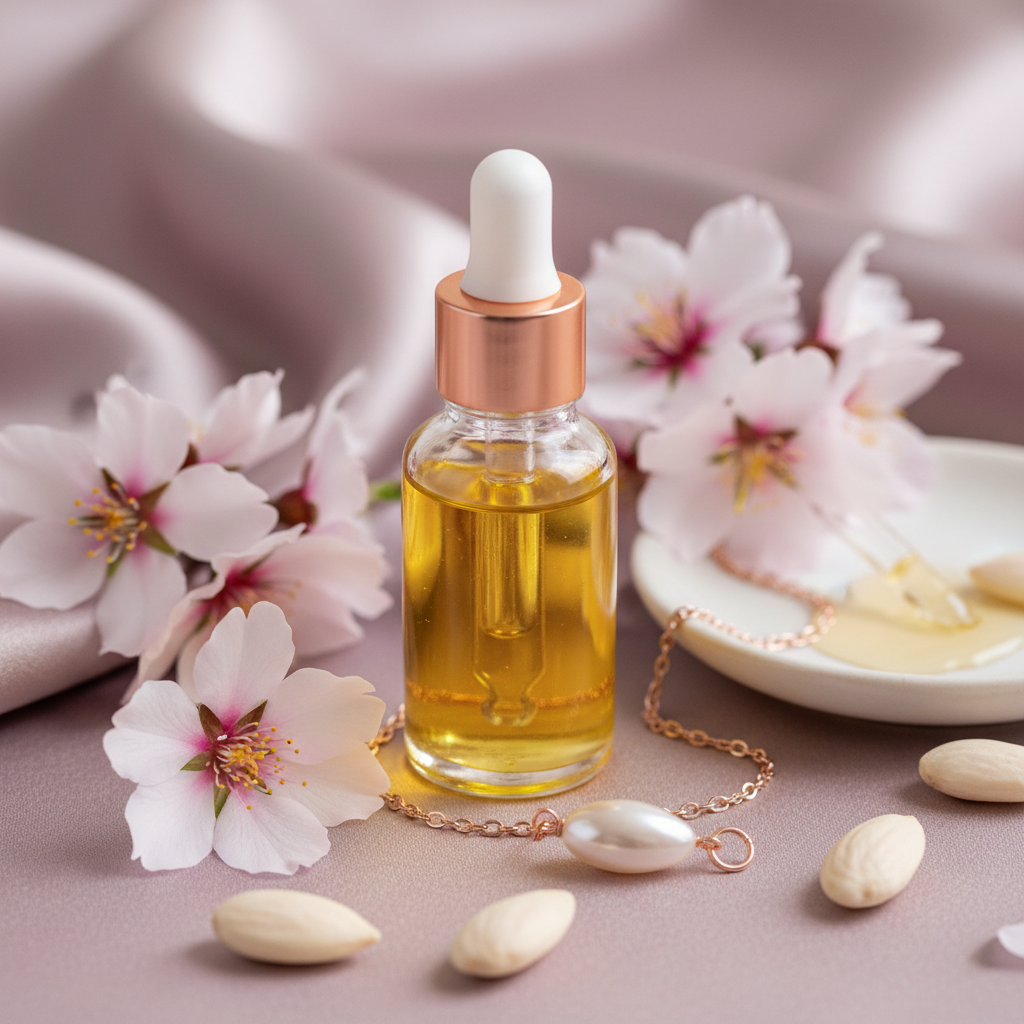
Essential Quality Indicators to Look For
When evaluating which almond oil for face and body use is right for you, examine these critical quality markers:
Color and Clarity
High-quality sweet almond oil should appear:
- Pale golden to light amber in color
- Clear without cloudiness or particles
- Free from sediment at the bottom of the bottle
Very dark oils may indicate over-processing or poor storage, while completely colorless oils might be heavily refined.
Scent Profile
Premium almond oil has a subtle, pleasant aroma that's:
- Mild and nutty
- Sweet but not overpowering
- Free from rancid, bitter, or chemical odors
Strong, unpleasant odors often indicate oxidation or contamination.
Texture and Absorption
Quality almond oil should feel:
- Smooth and lightweight
- Non-greasy after absorption
- Easily spreadable without thick consistency
Key Features to Compare When Shopping
Use this comparison framework to evaluate different almond oil products:
Purity and Ingredients
Look for products that contain:
- 100% pure sweet almond oil with no additives
- No synthetic fragrances or preservatives
- Organic certification when possible
- Third-party purity testing verification
Packaging Considerations
Proper packaging protects oil quality:
- Dark glass bottles: Protect from light damage and oxidation
- Airtight seals: Prevent contamination and preserve freshness
- Dropper tops: Allow controlled dispensing and reduce waste
- Appropriate sizing: Buy quantities you'll use within 6-12 months
Source and Origin
Consider these sourcing factors:
- Almonds grown in optimal climates (California, Mediterranean regions)
- Sustainable farming practices
- Traceable supply chains
- Fair trade certifications when available
Top Picks at Different Price Points
Here are our recommendations across various budget ranges, focusing on quality and value:
Budget-Friendly Options ($5-$15)
Best for: Body moisturizing, hair care, general use
In this price range, look for larger bottles (8-16 oz) of cold-pressed oil from reputable suppliers. While packaging may be simpler, the oil quality can still be excellent for body applications. Brands in this category often source from established almond-growing regions and maintain good extraction standards.
Key features to expect:
- Cold-pressed extraction
- Clear plastic or dark glass packaging
- 100% pure sweet almond oil
- Good value for larger quantities
Mid-Range Selection ($15-$35)
Best for: Almond oil for face use, sensitive skin, daily skincare
This price point typically offers the sweet spot of quality and value. You'll find organic options, superior packaging, and often additional quality certifications. These products are ideal for facial applications and sensitive skin types.
Enhanced features include:
- Organic certification
- Dark glass bottles with dropper tops
- Third-party testing documentation
- Smaller, fresher batch sizes
- Enhanced purity standards
Premium Options ($35+)
Best for: Luxury skincare, specific skin concerns, gift giving
Premium almond oils offer the highest quality standards, often featuring single-origin almonds, artisanal processing, and luxury packaging. While the oil itself may not be dramatically different from mid-range options, these products excel in consistency, sourcing transparency, and overall experience.
Premium features:
- Single-origin, estate-grown almonds
- Small-batch, artisanal processing
- Luxury packaging and presentation
- Extensive quality documentation
- Often includes additional beneficial compounds
Red Flags to Avoid
Protect yourself from poor-quality products by watching for these warning signs:
Packaging Red Flags
- Clear plastic bottles: Allow light damage and may leach chemicals
- No expiration date: Indicates poor quality control
- Damaged seals: Suggest contamination risks
- Excessive marketing claims: Focus on medical benefits rather than quality
Product Quality Concerns
- Extremely low prices: May indicate diluted or synthetic products
- Unclear ingredient lists: Should clearly state "100% pure sweet almond oil"
- Unknown brands without reviews: Lack quality verification
- Products claiming medical benefits: Violate regulations and indicate questionable marketing
Seller Red Flags
- No return policy or customer service
- Lack of product information or specifications
- Unrealistic promises about results
- No contact information or business address
Where to Buy: Evaluating Your Options
Different purchasing channels offer distinct advantages and considerations:
Online Retailers
Advantages:
- Vast selection and competitive pricing
- Customer reviews and detailed product information
- Convenient comparison shopping
- Often better prices on bulk purchases
Considerations:
- Verify seller reputation and return policies
- Check shipping methods to prevent heat damage
- Read recent customer reviews carefully
- Ensure products are within expiration dates
Health Food Stores
Advantages:
- Knowledgeable staff guidance
- Ability to examine products before purchase
- Often carry high-quality, organic options
- Support local businesses
Considerations:
- Limited selection compared to online
- Higher prices due to overhead costs
- Inventory turnover may vary
Beauty Supply Stores
Advantages:
- Focus on cosmetic-grade products
- Professional recommendations
- Often stock popular, proven brands
Considerations:
- May prioritize marketing over quality
- Limited organic or specialty options
- Higher markup on products
Understanding Labels and Certifications
Decode product labels to make informed decisions:
Essential Label Information
Look for these key details:
- Latin name: Prunus amygdalus dulcis or Prunus dulcis
- Extraction method: Should specify "cold-pressed"
- Country of origin: Indicates source quality
- Expiration or best-by date: Ensures freshness
- Batch number: Allows quality tracking
Meaningful Certifications
- USDA Organic: Ensures organic farming practices
- Non-GMO Project Verified: Confirms non-GMO sourcing
- Fair Trade: Supports ethical sourcing practices
- Third-party tested: Verifies purity and quality
Storage and Shelf Life Considerations
Proper storage extends your almond oil's quality and effectiveness:
Optimal Storage Conditions
- Store in cool, dark places (60-70°F ideal)
- Keep away from direct sunlight and heat sources
- Ensure tight sealing after each use
- Avoid bathroom storage due to humidity
Recognizing Spoilage
Replace your oil if you notice:
- Rancid or bitter odors
- Color changes or cloudiness
- Thick, sticky texture
- Expired date (typically 1-2 years from production)
Making Your Final Decision
When choosing the best almond oil for skin, consider your specific needs:
For Facial Use
Prioritize:
- Organic certification
- Small batch, fresh production
- Dark glass packaging with dropper
- Third-party purity testing
For Body and Hair
Focus on:
- Value and quantity
- Cold-pressed extraction
- Reputable brand with good reviews
- Appropriate packaging size for usage
For Sensitive Skin
Look for:
- Organic and additive-free formulas
- Patch-test recommendations
- Hypoallergenic labeling
- Gentle extraction methods
Budget Planning and Value Assessment
Calculate the true value of your almond oil purchase:
Cost Per Use Analysis
Consider:
- Price per ounce or milliliter
- Expected usage frequency
- Product shelf life
- Versatility for multiple uses
A slightly more expensive, higher-quality oil often provides better value through superior performance and longer shelf life.
Bulk Purchase Considerations
Larger sizes make sense if you:
- Use almond oil regularly for body care
- Share with family members
- Can store properly in cool, dark conditions
- Will use within 6-12 months
Expert Tips for First-Time Buyers
If you're new to using almond oil for skincare, consider these recommendations:
Start Small
Begin with a smaller bottle (1-2 oz) to test compatibility with your skin before investing in larger quantities. This approach allows you to evaluate quality and personal preference without waste.
Research Brands
Explore best almond oil brands by reading customer reviews, checking company backgrounds, and verifying their quality standards and sourcing practices.
Perform Patch Tests
Always test new products on a small skin area first, regardless of the oil's quality or your previous experience with similar products.
Finding the best almond oil for skin requires balancing quality indicators, personal needs, and budget considerations. By understanding extraction methods, recognizing quality markers, and knowing where to shop, you can confidently select an almond oil that will enhance your skincare routine. Remember that the most expensive option isn't always the best choice for your specific needs—focus on quality indicators that matter most for your intended use.
Whether you choose a budget-friendly option for body care or invest in a premium facial oil, prioritizing cold-pressed, pure sweet almond oil from reputable sources will ensure you receive the maximum benefits this versatile oil has to offer.