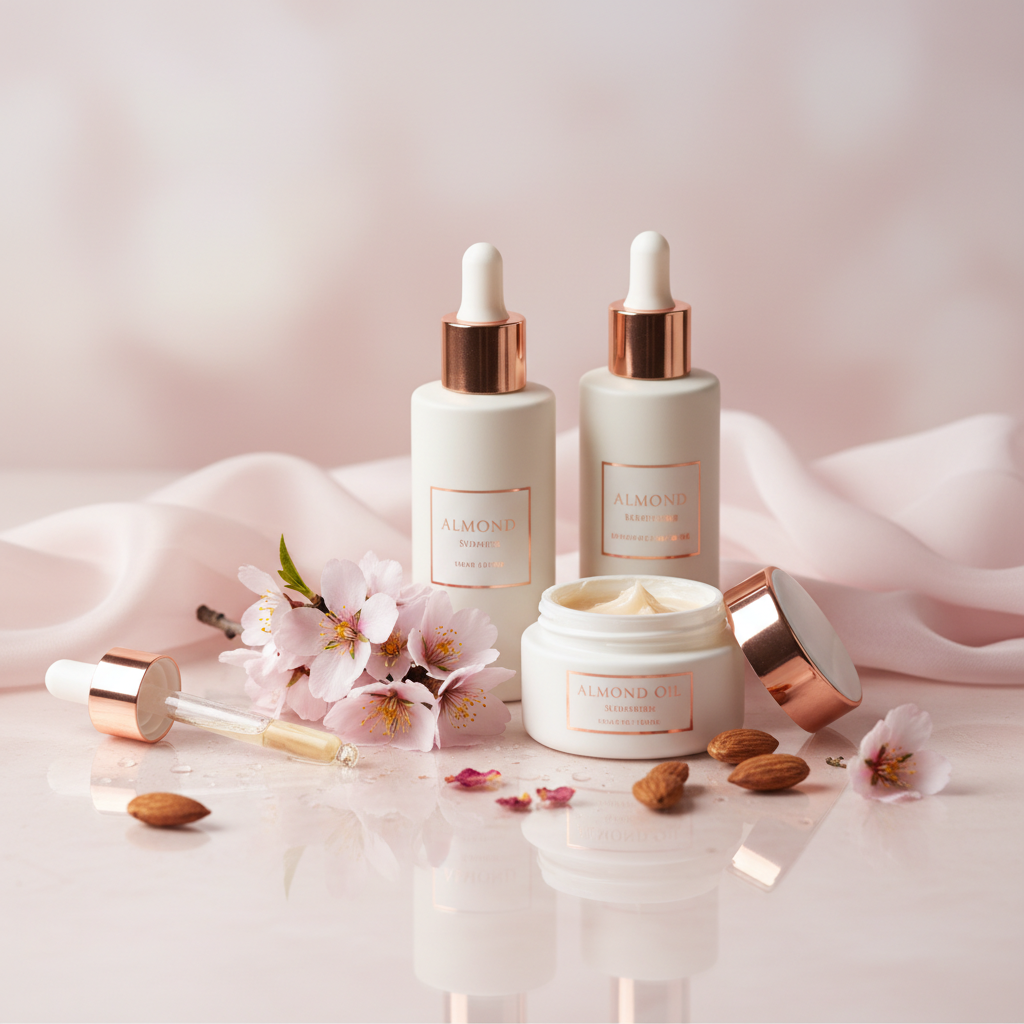
Almond Oil for Post-Summer Skin Repair: Treating Sun Damage and Dehydration
As summer fades and autumn approaches, many of us are left dealing with the aftermath of months of sun exposure, chlorine, and outdoor activities. Your skin might be feeling dry, dull, or showing signs of summer's toll. This is the perfect time to explore how almond oil may help support your skin's natural recovery process as you transition into the cooler months ahead.
Why Post-Summer Skin Care Matters
Summer can be tough on our skin, even when we're diligent about sun protection. Between UV exposure, air conditioning, chlorinated pools, and increased outdoor time, our skin often enters fall feeling depleted and dehydrated. This seasonal transition period is crucial for helping your skin recover and prepare for the drier months ahead.
Sweet almond oil has been traditionally used for centuries in skincare routines, and modern research suggests it may offer gentle support for skin that's feeling the effects of summer. Rich in vitamin E, fatty acids, and natural emollients, almond oil is particularly well-suited for addressing some of the common skin concerns that arise after a season in the sun.
Understanding Summer's Impact on Your Skin
Before diving into solutions, it's helpful to understand what summer might have done to your skin:
- Dehydration: Sun, heat, and air conditioning can strip moisture from your skin's surface
- Texture changes: UV exposure may contribute to rough, uneven skin texture
- Dullness: Dead skin cell buildup can make skin appear lackluster
- Sensitivity: Sun-exposed skin may feel more reactive or tender
- Uneven tone: Summer activities may have left behind dark spots or uneven pigmentation
How Almond Oil May Support Skin Recovery
Sweet almond oil contains several components that may help support your skin's natural repair processes. The vitamin E in almond oil acts as a natural antioxidant, while the oil's fatty acid profile may help support the skin barrier function that summer activities can compromise.
Some research suggests that almond oil's emollient properties may help improve skin hydration and softness, making it a popular choice for those dealing with post-summer dryness and roughness.
Gentle DIY Almond Oil Treatments for Post-Summer Skin
Nourishing Night Treatment
This simple treatment may help support your skin's overnight repair process:
Ingredients:
- 1 tablespoon sweet almond oil
- 2-3 drops lavender essential oil (optional)
Instructions:
- Cleanse your face gently with lukewarm water
- Mix the oils in your palm
- Gently massage into damp skin using upward motions
- Leave on overnight or blot excess after 20 minutes
Safety note: Always patch test new ingredients. If using essential oils, ensure proper dilution (no more than 1% concentration for facial use).
Soothing Body Oil Blend
For addressing post-summer dryness on arms, legs, and shoulders:
Ingredients:
- 1/4 cup sweet almond oil
- 1 tablespoon jojoba oil
- 5-6 drops chamomile essential oil (optional)
Application: Apply to slightly damp skin after showering to help lock in moisture. This blend may help support skin that's feeling tight or uncomfortable after summer sun exposure.
Gentle Exfoliating Treatment
To help address rough texture and dullness:
Ingredients:
- 2 tablespoons sweet almond oil
- 1 tablespoon fine brown sugar
- 1 teaspoon honey (optional)
Use: Gently massage in circular motions, then rinse with warm water. Use only once or twice weekly, as over-exfoliation can irritate summer-stressed skin.
Seasonal Application Tips
Transitioning Your Routine
As temperatures drop and humidity decreases, your skin's needs change. Here's how to adapt your almond oil use for fall:
- Layer gradually: Start with lighter application and increase as your skin adjusts
- Focus on problem areas: Pay extra attention to areas that saw the most sun exposure
- Time it right: Apply to slightly damp skin for better absorption
- Be patient: Skin renewal takes time—allow 4-6 weeks to see significant changes
Complementary Fall Skincare Practices
While incorporating almond oil into your routine, consider these supportive practices:
- Stay hydrated as the air becomes drier
- Use a humidifier in your bedroom
- Continue wearing SPF daily (UV rays don't disappear in fall!)
- Eat antioxidant-rich foods to support skin from within
- Get adequate sleep to support natural repair processes
Special Considerations for Sun-Exposed Skin
If you're dealing with specific areas that received significant sun exposure this summer, almond oil may offer gentle support for skin that's feeling tender or irritated. However, it's important to note that any concerning changes in your skin should be evaluated by a dermatologist.
For general post-summer care, almond oil's gentle nature makes it suitable for most skin types, but always patch test first, especially if your skin is feeling sensitive after summer activities.
When to Expect Results
While everyone's skin responds differently, many people report noticing improvements in skin texture and hydration within 2-3 weeks of consistent use. The key is patience and consistency—your skin has been through a lot this summer, and gentle, sustained care often yields the best results.
Remember that almond oil works best as part of a comprehensive skincare routine rather than a standalone solution. Combining it with proper cleansing, sun protection, and healthy lifestyle habits may help optimize your skin's recovery process.
Moving Forward with Confidence
As you work to address post-summer skin concerns, remember that this seasonal transition is a natural opportunity to reassess and refresh your skincare routine. Almond oil's versatility and gentle nature make it an excellent addition to fall skincare routines, potentially helping support your skin as it recovers from summer and prepares for the months ahead.
If you have persistent skin concerns or notice any unusual changes, don't hesitate to consult with a qualified dermatologist or healthcare provider. They can provide personalized guidance based on your specific skin needs and concerns.
With patience, consistency, and the right approach, you can help support your skin's natural ability to recover and thrive as you transition into the new season.