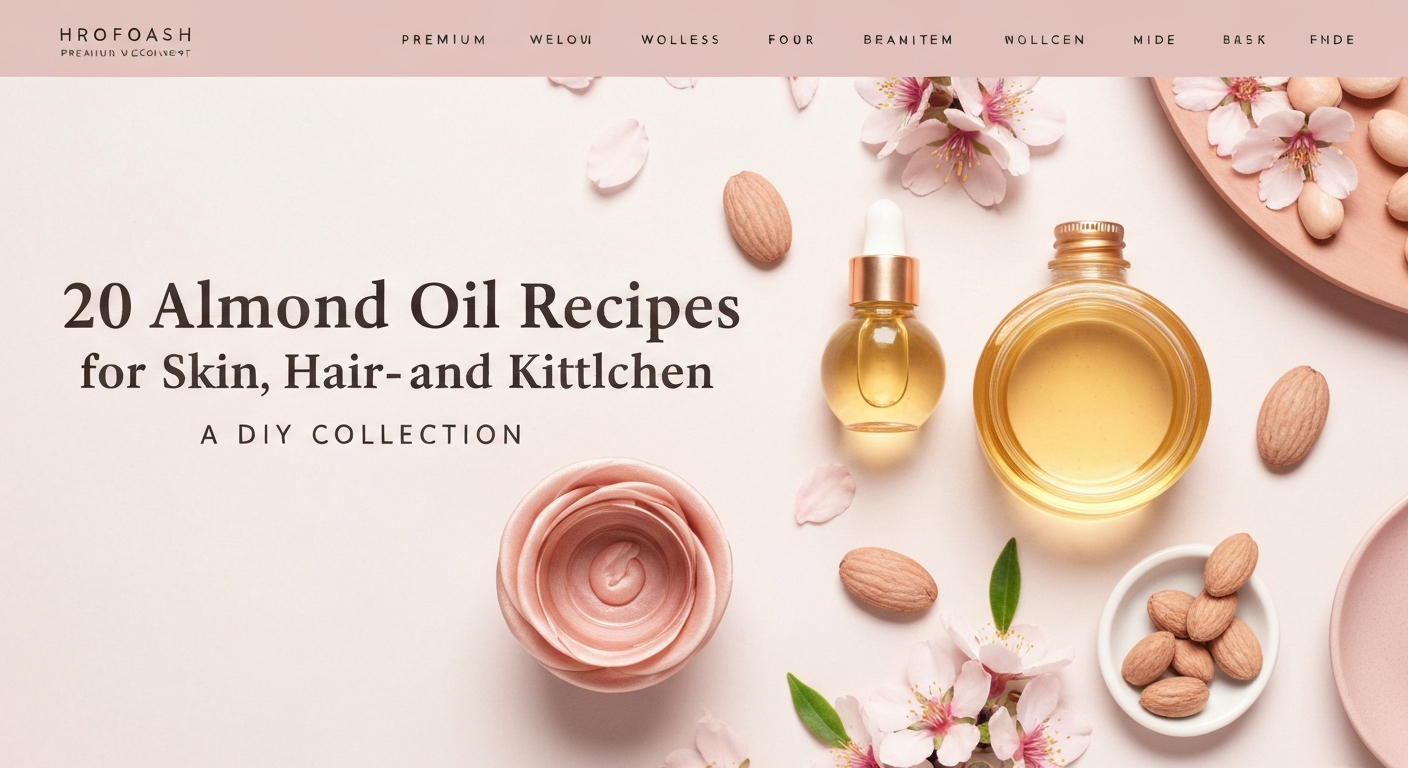
20 Almond Oil Recipes for Skin, Hair, and Kitchen: A DIY Collection
Sweet almond oil is truly a multi-tasking marvel in the world of natural ingredients. This gentle, nutrient-rich oil has been cherished for centuries across various cultures for its versatility in beauty routines and culinary applications. Whether you're looking to create luxurious skincare treatments, nourishing hair masks, or add a delicate nutty flavor to your favorite dishes, almond oil recipes offer endless possibilities for the DIY enthusiast.
What makes almond oil so special? This golden-hued oil is naturally rich in vitamin E, healthy fats, and may support skin hydration when used topically. From simple moisturizers to gourmet salad dressings, these almond oil recipes will help you harness the potential of this beloved natural ingredient while creating personalized products tailored to your needs.
Skincare Recipes
1. Gentle Daily Face Moisturizer
This simple yet effective moisturizer combines the nourishing properties of sweet almond oil with the lightweight texture that won't clog pores. Mix 2 tablespoons of almond oil with 1 teaspoon of jojoba oil and 3 drops of lavender essential oil in a small glass bottle. The combination may help support your skin's natural moisture barrier while providing a subtle, calming scent.
To use, apply 3-4 drops to clean skin and gently massage in circular motions. This recipe is traditionally used by those seeking a natural alternative to commercial moisturizers. Always perform a patch test before first use, and store in a cool, dark place for up to 6 months.
Practical takeaway: This recipe costs a fraction of store-bought serums and allows you to customize the scent and consistency to your preferences. For more detailed guidance, check out our comprehensive DIY almond oil face serum tutorial.
2. Exfoliating Sugar Scrub
Transform rough, dry skin with this gentle exfoliating scrub that combines almond oil's moisturizing properties with sugar's natural buffing action. Combine 1/2 cup fine sugar, 1/4 cup sweet almond oil, and 1 tablespoon honey in a clean jar. The honey may help support skin softness while the sugar removes dead skin cells.
Use this scrub 1-2 times per week on damp skin, focusing on rough areas like elbows and knees. Rinse thoroughly with warm water. Some people report that regular use helps maintain smoother-feeling skin, though individual results may vary.
Practical takeaway: This scrub stays fresh for up to 3 months when stored in an airtight container, making it perfect for regular use or gifting to friends.
3. Anti-Aging Eye Treatment
The delicate eye area may benefit from extra gentle care, and this nourishing treatment combines almond oil with vitamin E oil for added antioxidant properties. Mix 1 tablespoon almond oil with the contents of 2 vitamin E capsules and store in a small roller bottle for easy application.
Apply a small amount under the eyes before bedtime, gently patting with your ring finger. This area-specific treatment is traditionally used to help maintain skin softness around the eyes. Remember that consistency is key with any skincare routine, and results may take several weeks to become noticeable.
Practical takeaway: The roller bottle application makes this treatment mess-free and travel-friendly, perfect for maintaining your routine on the go.
4. Soothing Body Oil Blend
Create a luxurious full-body treatment by combining almond oil with complementary carrier oils. Mix 1/2 cup almond oil, 2 tablespoons coconut oil (melted), and 1 tablespoon argan oil. Add 10 drops of your favorite essential oil for a personalized scent experience.
This blend may help support overall skin hydration and is particularly popular during dry winter months. Apply to slightly damp skin after showering to lock in moisture. The combination of oils provides different benefits - coconut oil is known for its antimicrobial properties, while argan oil is rich in antioxidants.
Practical takeaway: Making your own body oil blend costs significantly less than luxury spa products while allowing complete control over ingredients and fragrances.
5. Calming Massage Oil
Transform your home into a spa retreat with this relaxing massage oil blend. Combine 1/4 cup almond oil with 2 tablespoons grape seed oil and 8 drops of chamomile essential oil. The light texture glides smoothly over skin while the chamomile may help promote a sense of relaxation.
This massage oil is traditionally used for stress relief and muscle tension. Warm slightly between your hands before application for the most comfortable experience. The blend provides excellent glide without feeling too heavy or sticky on the skin.
Practical takeaway: Store this blend in a pump bottle for easy, one-handed dispensing during massage sessions.
Hair Care Recipes
6. Deep Conditioning Hair Mask
Give your hair the ultimate nourishment treatment with this protein-rich mask. Combine 3 tablespoons almond oil, 1 beaten egg, and 1 tablespoon honey. The protein from the egg may help support hair strength, while almond oil traditionally helps maintain hair's natural shine and softness.
Apply to damp hair from mid-length to ends, avoiding the scalp. Cover with a shower cap and leave for 20-30 minutes before shampooing thoroughly. Some people report that regular use helps maintain healthier-looking hair, particularly for those with dry or damaged strands.
Practical takeaway: Use this intensive treatment once weekly for best results. For more hair care inspiration, explore our detailed almond oil hair mask guide with additional recipes and application tips.
7. Scalp Nourishing Treatment
A healthy scalp is the foundation for beautiful hair. This gentle treatment combines 2 tablespoons almond oil with 1 teaspoon rosemary essential oil and 1 teaspoon tea tree oil. Rosemary is traditionally used to support scalp health, while tea tree oil has natural cleansing properties.
Massage into the scalp using circular motions and leave for 30 minutes before shampooing. This treatment may help support scalp comfort and is particularly popular among those dealing with dryness or flakiness. Always dilute essential oils properly to avoid irritation.
Practical takeaway: Perform a patch test before first use, especially if you have sensitive skin, as essential oils can cause reactions in some individuals.
8. Leave-In Hair Serum
Tame frizz and add shine with this lightweight leave-in treatment. Mix 2 tablespoons almond oil with 1 tablespoon argan oil and 5 drops of ylang-ylang essential oil in a small spray bottle. Add 2 tablespoons of distilled water and shake well before each use.
Spray lightly on damp or dry hair, focusing on the ends. This serum may help support hair manageability and shine without weighing hair down. The water content makes it lighter than pure oil treatments, suitable for daily use on most hair types.
Practical takeaway: The spray application ensures even distribution and prevents over-application, which can make hair appear greasy.
9. Split End Treatment
While nothing can truly "repair" split ends except a trim, this concentrated treatment may help support the appearance of healthier-looking ends. Combine 1 tablespoon almond oil with 1 teaspoon coconut oil and 3 drops of rosemary essential oil.
Apply a tiny amount to the very ends of hair daily, focusing on the most damaged areas. This treatment is traditionally used to help maintain hair end integrity and may support overall hair appearance when used consistently alongside regular trims.
Practical takeaway: A little goes a long way with this concentrated treatment - start with just a few drops to avoid overloading your hair.
10. Styling Oil for Natural Curls
Enhance your natural curl pattern with this lightweight styling blend. Mix 2 tablespoons almond oil with 1 tablespoon jojoba oil and 1 teaspoon aloe vera gel. The combination may help support curl definition while reducing frizz and adding natural shine.
Apply to damp hair using the "praying hands" method or scrunching motions. This blend is traditionally used by those with curly or wavy hair to help maintain curl shape and reduce environmental damage. The aloe vera adds hold without stiffness.
Practical takeaway: Experiment with the amount based on your hair's porosity and thickness - fine hair needs less, while thick or high-porosity hair may benefit from more product.
Kitchen Recipes
11. Herb-Infused Cooking Oil
Elevate your culinary creations with this aromatic infused oil. Gently heat 1 cup of almond oil with 2 sprigs of fresh rosemary, 3 garlic cloves, and 1 bay leaf for 10 minutes on low heat. The slow infusion process allows the flavors to meld beautifully without burning the delicate almond oil.
Strain out the solids and store in a clean glass bottle. This flavored oil adds depth to salad dressings, drizzled over vegetables, or used as a finishing oil for soups and pasta dishes. The subtle nutty flavor of almond oil provides an excellent base that doesn't overpower the herbs.
Practical takeaway: Use within 1 month for best flavor and store in the refrigerator to maintain freshness and prevent rancidity.
12. Citrus Vinaigrette
Create a bright, restaurant-quality salad dressing with this simple recipe. Whisk together 3 tablespoons almond oil, 2 tablespoons fresh lemon juice, 1 teaspoon Dijon mustard, and 1 teaspoon honey. The almond oil's mild flavor allows the citrus to shine while providing a silky texture.
This vinaigrette pairs beautifully with mixed greens, spinach salads, or grilled vegetables. The emulsification created by the mustard helps the oil and acid blend smoothly, creating a professional-quality dressing at home.
Practical takeaway: Make a double batch and store in the refrigerator for up to one week, shaking well before each use as separation is natural.
13. Roasted Vegetable Drizzle
Enhance the natural sweetness of roasted vegetables with this simple finishing oil. Combine 1/4 cup almond oil with 1 tablespoon balsamic vinegar, 1 minced garlic clove, and a pinch of sea salt. The combination creates a luxurious drizzle that complements both root vegetables and delicate greens.
Toss vegetables with a neutral oil before roasting, then drizzle with this almond oil mixture just before serving. The heat from the vegetables will gently warm the oil and release the garlic's aroma, creating an elegant finishing touch.
Practical takeaway: This drizzle also works beautifully on grilled meats or fish, adding richness without masking natural flavors.
14. Homemade Mayonnaise
Craft your own mayonnaise using almond oil for a unique twist on this classic condiment. Slowly whisk 3/4 cup almond oil into 1 egg yolk, adding 1 tablespoon at a time until emulsified. Add 1 tablespoon lemon juice, 1 teaspoon Dijon mustard, and salt to taste.
The almond oil creates a lighter, more delicate mayonnaise compared to traditional versions made with heavier oils. This homemade version contains no preservatives and allows you to control the salt and acid levels to your preference.
Practical takeaway: Use pasteurized eggs if serving to pregnant women, children, or immunocompromised individuals, and consume within 3-4 days for food safety.
15. Nutty Salad Oil
Complement your favorite nuts and seeds in salads with this enhanced almond oil blend. Toast 2 tablespoons of sliced almonds until golden, then steep in 1/2 cup warm almond oil for 30 minutes. Strain and add a pinch of sea salt.
This oil intensifies the natural almond flavor while maintaining the oil's light, versatile character. Use it to dress spinach salads with goat cheese and toasted nuts, or drizzle over grain bowls for added richness and flavor complexity.
Practical takeaway: The toasted almond pieces make an excellent garnish for the dishes you dress with this oil, creating a cohesive flavor profile. For more culinary inspiration, explore our guide to almond oil for cooking with additional recipes and techniques.
Multi-Purpose Household Recipes
16. Natural Wood Polish
Restore the natural beauty of your wooden furniture with this gentle polish. Mix 1/4 cup almond oil with 2 tablespoons white vinegar and 1 teaspoon lemon essential oil. The combination may help support wood's natural luster while the vinegar provides gentle cleaning properties.
Apply with a soft cloth, working with the wood grain, and buff to a natural shine. This polish is traditionally used on unfinished or lightly finished wood surfaces. Always test in an inconspicuous area first to ensure compatibility with your specific wood finish.
Practical takeaway: This polish costs significantly less than commercial wood care products and contains no harsh chemicals that might off-gas in your home.
17. Leather Conditioner
Keep your leather goods supple and beautiful with this gentle conditioning treatment. Combine 2 tablespoons almond oil with 1 tablespoon beeswax (melted) and mix until smooth. This blend may help support leather's natural flexibility and appearance over time.
Apply a thin layer to clean leather using a soft cloth, allowing it to absorb for 15 minutes before buffing. This conditioner is traditionally used on leather shoes, bags, and furniture to help maintain their appearance and prevent cracking.
Practical takeaway: Test on a hidden area first, as some leather finishes may darken slightly with oil application.
18. Garden Tool Maintenance Oil
Protect your gardening investments with this rust-prevention treatment. Mix 1/2 cup almond oil with 1 tablespoon mineral oil and apply to clean, dry metal surfaces. The oil creates a barrier that may help protect against moisture and oxidation.
Wipe tools clean after each use, then apply a thin layer of this oil blend to metal surfaces. This maintenance routine is traditionally used by gardeners to extend tool life and maintain smooth operation of moving parts like pruning shears.
Practical takeaway: Store treated tools in a dry location and reapply monthly during the growing season for optimal protection.
19. Homemade Soap Base
Create luxurious handmade soaps using almond oil as a nourishing base ingredient. For cold-process soap making, use almond oil as 20-30% of your total oil blend, combining with coconut oil for lather and olive oil for mildness. Always follow proper soap-making safety procedures, including wearing protective equipment.
The almond oil contributes to a creamy, moisturizing bar that may help support skin comfort during cleansing. This oil is particularly valued in soap making for its stability and mild, pleasant characteristics.
Practical takeaway: Soap making requires precise measurements and safety precautions - always use a reliable recipe and lye calculator for best results.
20. DIY Cuticle Oil
Pamper your nails and cuticles with this nourishing treatment blend. Combine 2 tablespoons almond oil with 1 teaspoon vitamin E oil and 3 drops of tea tree essential oil. Store in a small roller bottle or dropper container for easy application.
Massage into cuticles and nail beds daily, particularly before bedtime. This treatment is traditionally used to help maintain cuticle softness and nail health. The tea tree oil provides natural antimicrobial properties, while vitamin E offers antioxidant benefits.
Practical takeaway: Consistent daily use yields better results than occasional intensive treatments - keep the bottle by your bedside for easy nightly application.
Safety Tips and Storage Guidelines
When creating your own almond oil recipes, safety should always be your top priority. Always perform patch tests when trying new formulations, especially those containing essential oils. Store your homemade products in clean, sterilized containers and label them clearly with ingredients and dates. Most oil-based preparations stay fresh for 6-12 months when stored in cool, dark conditions.
Remember that these recipes are for educational purposes and should not replace professional medical advice. If you have specific skin conditions, allergies, or health concerns, consult with a qualified healthcare provider before using any new topical products. When using essential oils, always research proper dilution ratios and contraindications.
With these 20 versatile almond oil recipes, you now have a comprehensive collection of DIY projects that span beauty, culinary, and household applications. The beauty of working with almond oil lies in its gentle nature and adaptability - each recipe can be customized to suit your specific preferences and needs. Whether you're crafting luxurious skincare treatments or exploring new culinary flavors, these almond oil recipes provide an excellent starting point for your natural DIY journey.