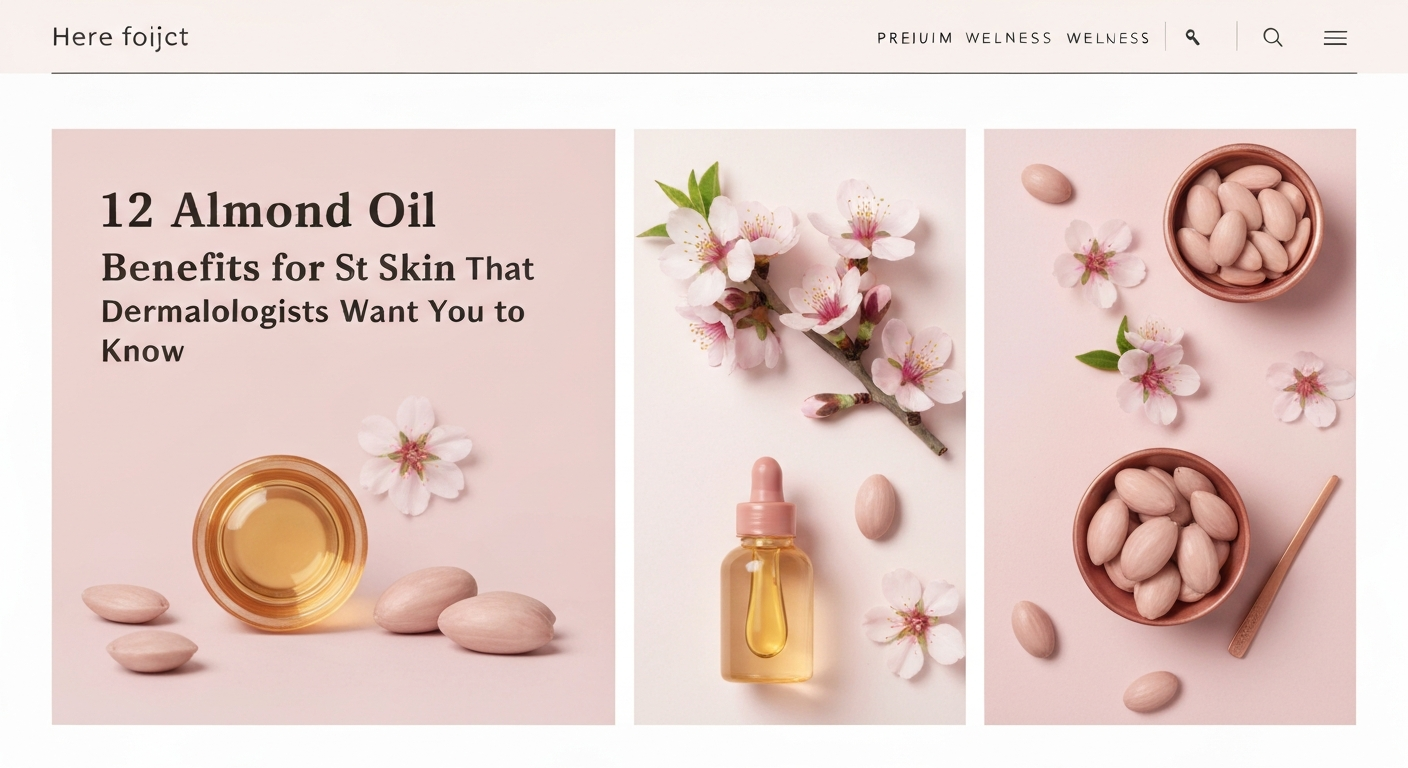
12 Almond Oil Benefits for Skin That Dermatologists Want You to Know
Sweet almond oil has quietly become one of the most beloved ingredients in dermatology circles, and for good reason. This golden oil, extracted from the kernels of sweet almonds, offers a gentle yet effective approach to skincare that beauty professionals have been recommending for generations.
What makes almond oil so special? Unlike heavier oils that might clog pores or feel greasy, sweet almond oil boasts a light texture that absorbs well into most skin types. Rich in vitamins E and A, along with essential fatty acids, it's no wonder that dermatologists often suggest this natural option for people looking to enhance their skincare routine.
Let's explore the specific almond oil benefits for skin that have caught the attention of skincare experts worldwide. From hydration to texture improvement, here's what the professionals want you to know about incorporating this versatile oil into your beauty regimen.
1. May Support Deep Skin Hydration
One of the most celebrated almond oil skin benefits is its potential to support skin hydration. The oil contains emollient properties that may help create a protective barrier on the skin's surface, potentially reducing moisture loss throughout the day.
Dermatologists often point to almond oil's molecular structure as a key factor in its hydrating potential. The oil contains oleic acid and linoleic acid, which some research suggests may help support the skin's natural barrier function. Unlike water-based moisturizers that can evaporate quickly, oils like sweet almond oil may provide longer-lasting hydration support.
Practical takeaway: Consider applying a few drops of sweet almond oil to slightly damp skin to potentially enhance moisture retention, especially after showering when your skin may be more receptive to hydration.
2. Traditionally Used for Soothing Sensitive Skin
Sweet almond oil has been traditionally used for centuries to support sensitive skin comfort. Its gentle nature makes it a popular choice among dermatologists who work with clients experiencing skin sensitivity or reactivity to harsher ingredients.
The oil's naturally mild composition may help explain why it's often well-tolerated by people with sensitive skin types. Some skincare professionals suggest that almond oil's anti-inflammatory compounds, including vitamin E, may contribute to its soothing reputation, though individual experiences can vary.
Practical takeaway: If you have sensitive skin, consider patch-testing almond oil on a small area first. Many people find it gentler than synthetic alternatives, making it worth exploring for those seeking natural skincare options.
3. May Help Improve Skin Texture and Smoothness
Regular use of sweet almond oil may support improved skin texture over time. The oil contains natural emollients that can help soften rough patches and may contribute to a smoother skin appearance.
Dermatologists often explain that oils like almond oil may work by filling in microscopic gaps between skin cells, potentially creating a smoother surface texture. The vitamin A content in almond oil is also worth noting, as this nutrient is traditionally associated with supporting skin cell turnover, though results vary by individual.
Practical takeaway: For areas prone to roughness like elbows, knees, or heels, gentle massage with almond oil may help support smoother skin texture when used consistently over time.
4. Gentle Makeup Removal Support
Many dermatologists recommend oil-based cleansing methods, and sweet almond oil can serve as an effective, gentle makeup remover. Its ability to dissolve makeup, including waterproof formulas, while being mild on the skin makes it a favorite among beauty professionals.
The cleansing properties of almond oil work on the principle that "like dissolves like" – the oil can help break down makeup and sunscreen while potentially providing nourishment to the skin during the removal process. This dual action may make it more beneficial than harsh makeup removal products that can strip the skin.
Practical takeaway: Apply a small amount to dry skin, gently massage to dissolve makeup, then remove with a warm, damp cloth. Always follow with your regular cleanser to ensure complete removal.
5. May Support Anti-Aging Skincare Routines
While no topical product can reverse aging, sweet almond oil may play a supportive role in anti-aging skincare routines. The oil is rich in vitamin E, an antioxidant that some research suggests may help protect skin from environmental stressors.
Dermatologists often emphasize that maintaining proper skin hydration and protection are fundamental aspects of any anti-aging approach. Almond oil's moisturizing properties, combined with its vitamin content, may support these goals when used as part of a comprehensive skincare routine.
Practical takeaway: Consider incorporating almond oil into your evening routine, applying it before heavier night creams to potentially enhance overall skin nourishment and support.
6. Traditionally Used Around Delicate Eye Area
The skin around our eyes is notably thinner and more delicate than elsewhere on our face, which is why use almond oil on skin in this area has become increasingly popular. Its lightweight nature and gentle formulation make it suitable for this sensitive region.
Many dermatologists suggest that the area around our eyes requires special attention due to its unique characteristics. Sweet almond oil's mild nature, combined with its moisturizing properties, may help support the delicate eye area without causing irritation that heavier creams might trigger.
Practical takeaway: Gently pat a tiny amount of almond oil around the eye area using your ring finger (which applies the least pressure). Always start with less than you think you need – a little goes a long way.
7. May Help Support Skin During Weather Changes
Seasonal transitions can be challenging for our skin, and dermatologists often recommend adjusting skincare routines accordingly. Sweet almond oil may provide valuable support during these transitional periods when skin might experience dryness or sensitivity.
The protective barrier that almond oil may help create on the skin's surface could be particularly beneficial during harsh weather conditions. Whether it's winter's dry indoor heat or summer's air conditioning, consistent use of almond oil might help maintain skin comfort throughout the year.
Practical takeaway: Consider using almond oil more frequently during weather transitions, and don't forget often-overlooked areas like hands and cuticles that can benefit from extra protection.
8. Suitable for Most Skin Types
One reason dermatologists frequently recommend sweet almond oil is its versatility across different skin types. Unlike some oils that might be too heavy for oily skin or too light for very dry skin, almond oil often strikes a balance that works for many people.
The oil's comedogenic rating is relatively low, meaning it's less likely to clog pores compared to heavier oils. This characteristic, combined with its moderate absorption rate, makes it a practical choice for people who want to explore oil-based skincare without committing to products that might not suit their skin type.
Practical takeaway: Start with a small amount and observe how your skin responds. Most people find they can gradually increase usage as their skin adapts to oil-based skincare.
9. May Support Skin's Natural Barrier Function
A healthy skin barrier is crucial for maintaining optimal skin health, and dermatologists emphasize this in virtually every skincare consultation. Sweet almond oil contains fatty acids that some research suggests may support the skin's natural barrier function.
The linoleic acid in almond oil is particularly noteworthy, as this fatty acid is naturally present in healthy skin barriers. When our skin's natural barrier is compromised, supplementing with products containing similar fatty acids might help support its restoration, though individual results vary.
Practical takeaway: Use almond oil consistently rather than sporadically to potentially support your skin's barrier function over time. Barrier repair is typically a gradual process that benefits from regular, gentle care.
10. Gentle Option for Post-Shaving Care
Shaving can leave skin feeling tight, irritated, or dry, and many dermatologists recommend gentle, nourishing post-shave care. Sweet almond oil's soothing properties may make it a suitable option for supporting skin comfort after hair removal.
Unlike alcohol-based aftershaves that can further dry or irritate freshly shaved skin, almond oil may help restore moisture and comfort. Its anti-inflammatory compounds might also contribute to a more pleasant post-shaving experience, though sensitivity can vary by individual.
Practical takeaway: Apply a small amount of almond oil to clean, slightly damp skin after shaving. Allow it to absorb before applying clothing to avoid staining.
11. May Help Support Overall Skin Wellness
Beyond specific benefits, many dermatologists appreciate sweet almond oil for its role in supporting overall skin wellness. The combination of vitamins, fatty acids, and gentle moisturizing properties creates a comprehensive approach to skin nourishment.
Regular use of quality skincare ingredients like almond oil may contribute to what dermatologists call "skin health maintenance" – the ongoing care that keeps skin looking and feeling its best. While dramatic transformations aren't realistic with any single product, consistent gentle care often yields positive results over time.
Practical takeaway: View almond oil as part of a holistic approach to skin wellness, combining it with other good skincare practices like sun protection, adequate hydration, and gentle cleansing.
12. Economical and Accessible Skincare Option
One practical benefit that dermatologists often mention is sweet almond oil's accessibility and cost-effectiveness. Unlike expensive serums or treatments, a bottle of quality almond oil can serve multiple skincare purposes while remaining budget-friendly.
This accessibility means that people can maintain consistent skincare routines without financial strain, which dermatologists recognize as crucial for long-term skin health. The multi-use nature of almond oil – from facial care to body moisturizing – adds to its practical value.
Practical takeaway: Look for cold-pressed, pure sweet almond oil without added fragrances or chemicals. A little goes a long way, making it an economical addition to your skincare routine.
Getting Started with Almond Oil for Your Skin
Now that you understand these almond oil skin benefits, you might be wondering how to incorporate this versatile oil into your routine. The key is starting slowly and paying attention to how your skin responds.
Begin with patch testing, then gradually introduce almond oil into your routine, perhaps starting with one application area or time of day. Remember that consistency often matters more than quantity when it comes to skincare, and almond oil is no exception.
For comprehensive guidance on using almond oil for skin care, remember that everyone's skin is unique. While these dermatologist-recognized benefits provide a foundation for understanding almond oil's potential, your individual experience may vary. Always consult with a qualified healthcare provider or dermatologist if you have specific skin concerns or conditions that require professional attention.
Sweet almond oil represents a gentle, time-tested approach to skincare that continues to earn dermatologist approval. Whether you're looking to support hydration, improve texture, or simply maintain healthy-looking skin, this golden oil offers a natural option worth exploring in your skincare journey.