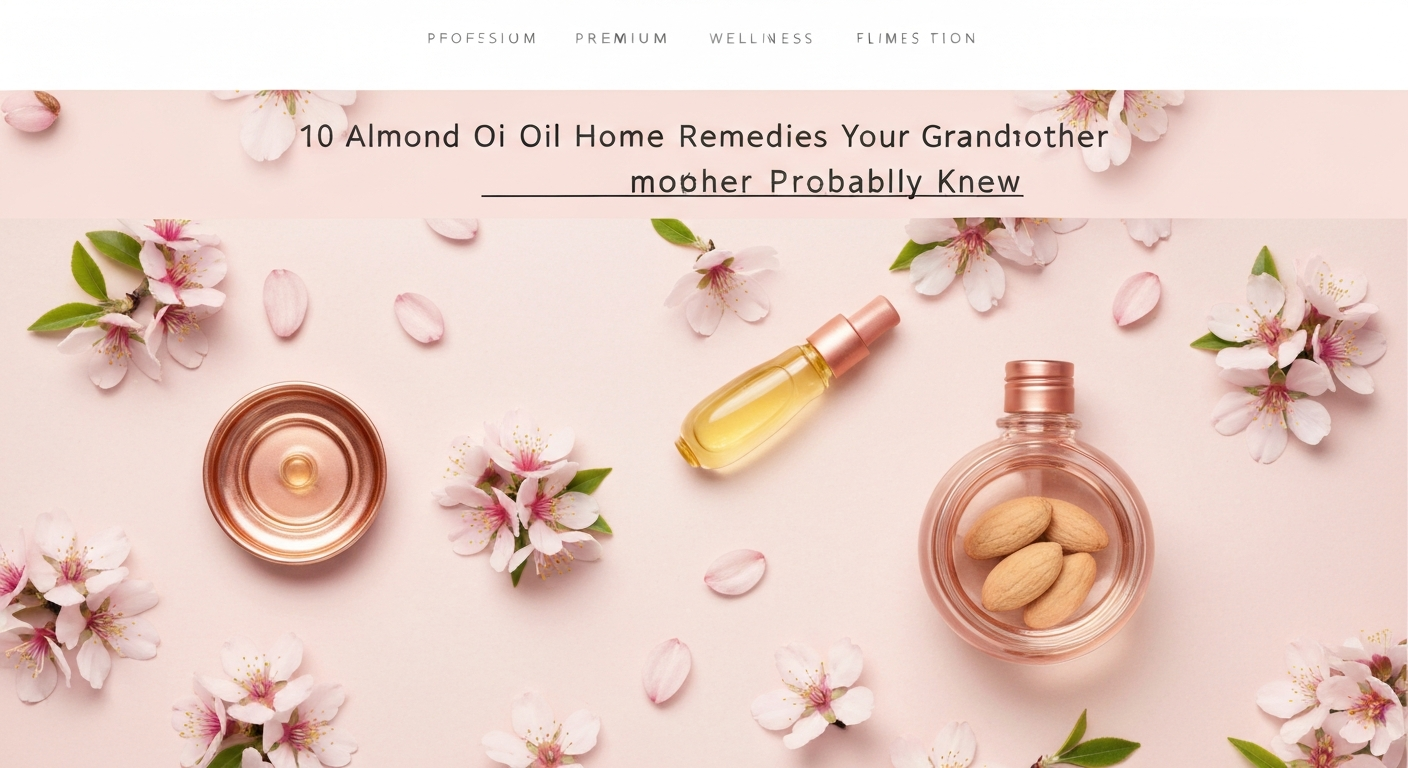
10 Almond Oil Home Remedies Your Grandmother Probably Knew
There's something deeply comforting about traditional beauty wisdom passed down through generations. Long before skincare aisles were filled with complex formulations, our grandmothers relied on simple, natural ingredients—and sweet almond oil was often at the heart of their beauty routines. These gentle almond oil home remedies have stood the test of time, offering simple solutions that many families have treasured for decades.
While we can't make medical claims about almond oil's benefits, we can certainly explore the folk wisdom and traditional almond oil remedies that have been lovingly shared in kitchens and bedrooms across cultures. These time-honored practices remind us that sometimes the most cherished beauty rituals are also the simplest ones.
1. The Gentle Eye Makeup Remover
Perhaps one of the most beloved almond oil folk remedies was using it as a gentle makeup remover, especially around the delicate eye area. Grandmothers knew that harsh rubbing could damage the thin skin around the eyes, so they turned to sweet almond oil's naturally mild properties.
The traditional method was beautifully simple: a few drops of almond oil on a soft cotton pad, gently pressed against closed eyelids for a few seconds, then swept away with downward motions. This approach may help dissolve even stubborn mascara without the tugging that can lead to premature fine lines.
Modern takeaway: This gentle technique works just as well today. Always patch test first, and if you have sensitive eyes or wear contact lenses, consult with your eye care professional before trying oil-based removers.
2. The Nighttime Hand Treatment
Before the invention of rich hand creams, many grandmothers swore by their nightly almond oil hand ritual. After a long day of household work, they would massage a small amount of warm almond oil into their hands and cuticles, sometimes even wearing cotton gloves overnight.
This practice was particularly popular during harsh winter months when hands bore the brunt of cold weather and frequent washing. The oil was believed to help maintain the skin's natural softness while providing a protective barrier. Some women would even add a drop of lavender oil for its pleasant scent and traditionally calming properties.
Modern takeaway: This ritual translates beautifully to our modern lives. Warm a few drops between your palms and massage into clean hands before bed. The gentle consistency makes it suitable for most skin types, though always patch test if you have nut allergies.
3. The Baby's Gentle Skin Soother
Generations of mothers and grandmothers have turned to almond oil for their little ones' delicate skin care needs. This traditional practice was often passed down through families, with new mothers learning the gentle art of baby massage using warm almond oil.
The oil was typically warmed slightly between the palms and then gently massaged into baby's skin after bath time. Many believed this practice helped maintain the baby's skin softness while providing a bonding moment between parent and child. In traditional practices like Ayurveda, almond oil has long been considered suitable for sensitive skin types.
Modern takeaway: While this practice continues today, always consult your pediatrician before using any oil on your baby's skin. Patch testing is especially important for infants, and be sure to choose pure, cold-pressed almond oil without any additives.
4. The Hair Conditioning Treatment
Long before deep conditioning masks filled beauty store shelves, women relied on almond oil for their weekly hair treatments. The traditional method involved warming the oil slightly and working it through the hair from mid-length to ends, avoiding the scalp to prevent greasiness.
This ritual was often done on Sunday evenings, with the oil left in for 30 minutes to an hour before washing out with a gentle shampoo. Many grandmothers believed this practice helped maintain their hair's natural shine and manageability, particularly for those with dry or coarse hair textures.
Modern takeaway: This traditional treatment remains popular today. Start with a small amount—a little almond oil goes a long way. Focus on the ends where hair tends to be driest, and always shampoo thoroughly afterward to avoid residue buildup.
5. The Soothing Bath Addition
The practice of adding almond oil to bath water was another cherished grandmother remedy, particularly popular among those seeking a luxurious, skin-softening soak. The traditional approach involved adding just a tablespoon or two to a warm bath, creating a milky, moisturizing water that enveloped the skin.
Many women would combine this with other traditional ingredients like oatmeal or dried herbs, creating their own signature bath blends. The belief was that this practice helped maintain the skin's natural moisture levels, particularly important during dry seasons or for those with naturally dry skin.
Modern takeaway: This indulgent practice works wonderfully today, though use caution as oil can make the tub slippery. Start with just a teaspoon in your bath water and increase gradually. Always clean your tub thoroughly afterward for safety.
6. The Cuticle Care Ritual
Before cuticle oils became a manicure staple, grandmothers maintained their nail health with simple almond oil treatments. The traditional method involved massaging a tiny drop into each cuticle area, often as part of their evening beauty routine.
This practice was particularly valued by women who did a lot of handwork—sewing, gardening, or household tasks that could be tough on nail health. The gentle nature of almond oil made it suitable for regular use, and many believed it helped maintain the appearance of their nail beds.
Modern takeaway: This simple practice remains effective today. Use just a small amount and massage gently around each nail. Be consistent—like most traditional beauty practices, regular use is key to seeing the best results.
7. The Under-Eye Care Tradition
One of the most treasured traditional uses of almond oil was for the delicate under-eye area. Grandmothers would gently pat a tiny amount of oil under their eyes before bed, using their ring finger for the lightest possible touch. This practice was often combined with other traditional remedies for addressing dark circles.
The belief was that the gentle nature of almond oil made it suitable for this sensitive area, where harsher ingredients might cause irritation. Many women swore by this nightly ritual as part of their anti-aging routine, though they understood that consistency was essential for any noticeable effects.
Modern takeaway: If you choose to try this traditional practice, use only the tiniest amount and always patch test first. The skin around the eyes is particularly delicate, so introduce any new product gradually and discontinue if any irritation occurs.
8. The Dry Elbow and Knee Treatment
Before body lotions became commonplace, women dealt with rough patches on elbows and knees using concentrated almond oil treatments. The traditional approach involved applying oil to these areas while the skin was still slightly damp from bathing, helping to lock in moisture.
This practice was particularly popular among women who spent time outdoors or did physical work that could roughen these naturally drier areas. Some would even create their own exfoliating treatments by mixing almond oil with a bit of sugar or salt for gentle buffing before moisturizing.
Modern takeaway: This targeted approach to skin care remains effective today. Apply almond oil to clean, slightly damp skin for better absorption. For very rough areas, you might try the traditional gentle exfoliation method, but always be gentle and discontinue if any irritation occurs.
9. The Massage Oil for Aches
Many grandmothers used almond oil as a base for gentle massage, often combined with warming spices or herbs according to family traditions. This practice was common for general comfort and relaxation, particularly after long days of physical work.
The traditional method involved warming the oil slightly and massaging it into areas that felt tense or tired. Some families would add traditional ingredients like ginger or eucalyptus to create their own signature blends, passed down through generations as cherished family recipes.
Modern takeaway: While we can't claim therapeutic benefits, gentle massage with almond oil may provide relaxation and comfort. Always patch test any added ingredients, and remember that massage is about relaxation, not medical treatment. Consult healthcare providers for any persistent discomfort.
10. The Stretch Mark Prevention Practice
Perhaps one of the most widely shared traditional remedies was the practice of massaging almond oil onto the belly during pregnancy. This ritual was often taught by mothers to daughters as part of pregnancy wisdom, though it's important to note that individual results varied greatly.
The traditional approach involved gentle, circular massage motions with warm almond oil, often starting in the second trimester. Many women found this ritual relaxing and a special way to connect with their changing bodies, regardless of any physical effects.
Modern takeaway: While there's no scientific evidence that any oil prevents stretch marks (which are largely determined by genetics and rapid skin stretching), many pregnant women still enjoy this traditional ritual for relaxation. Always consult your healthcare provider before using any products during pregnancy.
Honoring Traditional Wisdom Safely
These traditional almond oil home remedies remind us that beauty rituals don't have to be complicated to be meaningful. Our grandmothers understood that consistency, gentleness, and quality ingredients were the foundations of good skincare—principles that remain just as relevant today.
When exploring these time-honored practices, remember to choose pure, cold-pressed sweet almond oil from reputable sources. Always patch test before widespread use, especially if you have sensitive skin or nut allergies. While these traditional remedies have been beloved for generations, everyone's skin is different, so pay attention to how your skin responds.
The beauty of these grandmother remedies lies not just in their simplicity, but in the mindful, caring approach they represent. In our fast-paced world, taking time for these gentle, traditional practices can be a wonderful way to slow down and nurture ourselves with the same loving care our grandmothers showed us.