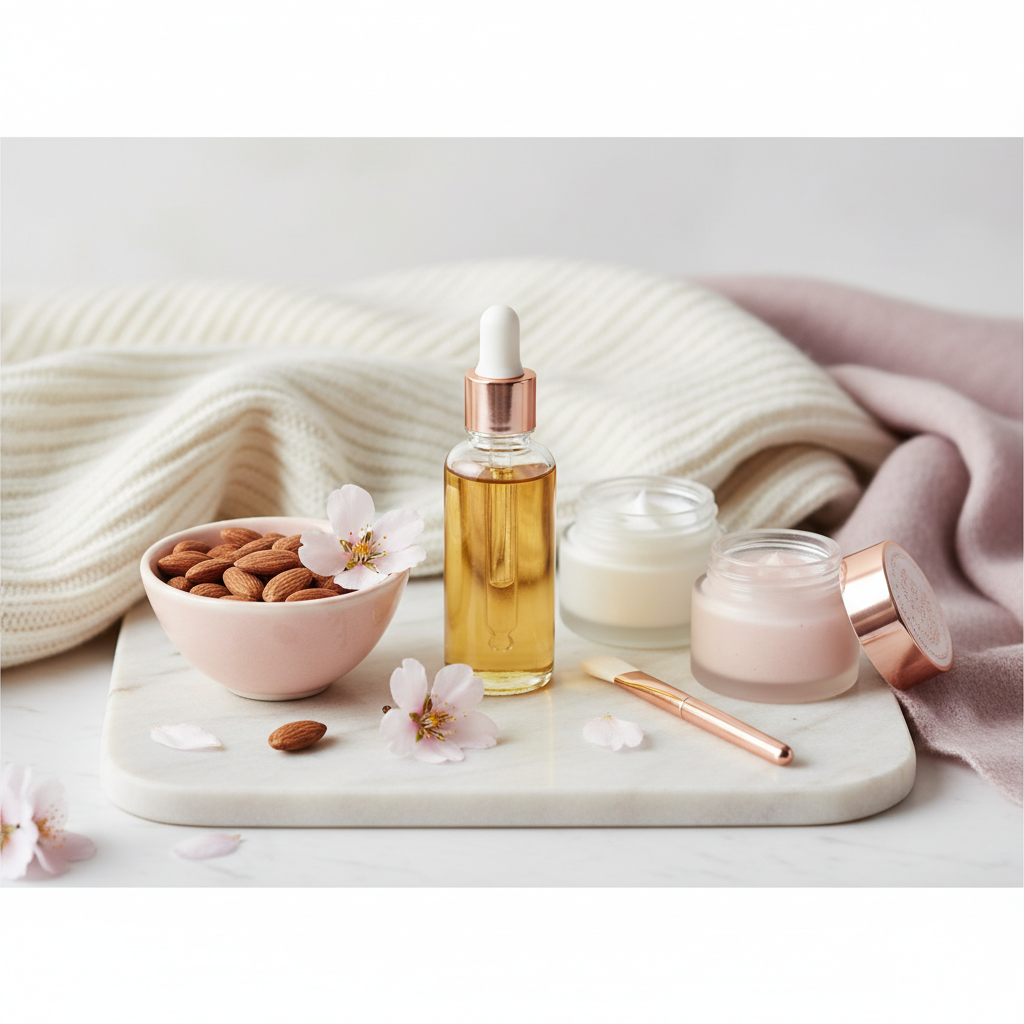
Winter Skin Rescue: How to Use Almond Oil to Combat Cold-Weather Dryness
As temperatures plummet and heating systems kick into overdrive, our skin faces its biggest challenge of the year. The combination of harsh outdoor winds and dry indoor air can leave even the most resilient complexions feeling tight, flaky, and uncomfortable. If you're searching for a gentle, natural solution to winter's skin-parching effects, sweet almond oil might become your cold-weather companion.
This golden, nutrient-rich oil has been cherished for centuries as a moisturizing staple, and modern research suggests it may help support skin barrier function during the harshest months. Let's explore how to harness almond oil's nourishing properties to keep your skin comfortable and glowing, even when Jack Frost is nipping at your nose.
Why Winter Weather Wreaks Havoc on Your Skin
Understanding the enemy helps us fight it more effectively. Winter's assault on our skin comes from multiple directions:
- Low humidity: Cold air holds less moisture than warm air, creating an environment that draws water from your skin
- Indoor heating: Furnaces and heaters further reduce indoor humidity, often dropping it below 30%
- Hot showers: While tempting in cold weather, hot water strips away natural oils
- Harsh winds: Outdoor conditions can physically damage the skin's protective barrier
- Temperature fluctuations: Moving between heated indoors and frigid outdoors stresses skin
These factors combine to disrupt your skin's natural moisture barrier, leading to that familiar winter tightness and flakiness. Traditional heavy creams might feel too greasy, while lighter lotions may not provide enough protection. This is where almond oil's unique properties shine.
Why Sweet Almond Oil is Winter's Best Friend
Sweet almond oil possesses several characteristics that make it particularly well-suited for cold-weather skincare:
Lightweight yet nourishing: Unlike heavier oils that might clog pores, almond oil absorbs readily while still providing substantial moisture support.
Rich in emollients: The oil contains fatty acids that may help soften and smooth skin texture, making it feel more comfortable in dry conditions.
Gentle composition: Research suggests almond oil is well-tolerated by most skin types, including sensitive skin that might react to harsh winter products.
Barrier support: Some studies indicate that almond oil may help support the skin's natural protective barrier, which is exactly what winter-stressed skin needs.
Strategic Winter Application Methods
The Damp Skin Technique
One of the most effective ways to use almond oil during winter is the "damp skin" method. After showering or washing your face, gently pat skin until it's still slightly damp, then apply a few drops of almond oil. The remaining moisture helps the oil spread more easily and may enhance absorption. This technique is particularly beneficial for addressing dry skin concerns that intensify during colder months.
Layered Protection
For extra-dry areas like elbows, knees, and heels, try layering almond oil under your regular moisturizer. Apply the oil first, allow it to absorb for a few minutes, then seal it in with your favorite cream or lotion. This creates a multi-level moisture barrier that can better withstand winter's drying effects.
Facial Application for Cold Weather
When using almond oil on your face during winter, start with just 2-3 drops for your entire face and neck. Warm the oil between your palms before pressing it gently into your skin, focusing on areas that tend to get extra dry around the nose, mouth, and eyes. For comprehensive facial care guidance, explore our detailed guide on using almond oil for facial skincare.
Winter-Specific Almond Oil Routines
Morning Protection Ritual
Start your day by creating a protective barrier against harsh conditions:
- Cleanse with lukewarm (not hot) water
- While skin is still damp, apply 3-4 drops of almond oil
- Follow with SPF if you'll be outdoors (yes, even in winter!)
- Pay extra attention to areas exposed to wind
Evening Repair Routine
Help your skin recover from the day's environmental stress:
- Remove any makeup with gentle, oil-based cleanser
- Take a warm (not hot) shower or bath
- Apply almond oil to damp skin within 3 minutes of bathing
- Focus on typically dry areas like shins, forearms, and feet
Weekly Intensive Treatment
Once or twice a week, give your skin extra TLC with an almond oil treatment:
- Create a rich body treatment by mixing almond oil with honey for added humectant properties
- Apply generously and leave on for 15-20 minutes before gently blotting excess
- Consider making your own DIY almond oil body butter for extra-rich winter moisture
Seasonal Safety Considerations
While almond oil is generally well-tolerated, winter use requires some special considerations:
Patch testing: Always test new products on a small skin area first, especially if you have nut allergies or sensitive skin.
Sun sensitivity: Some people may experience increased photosensitivity with oil use. Always use appropriate sun protection when outdoors.
Clothing considerations: Allow oil to absorb fully before dressing to prevent staining winter clothes.
Beyond Basic Moisturizing: Creative Winter Uses
Expand almond oil's winter utility with these creative applications:
Cuticle care: Massage a drop into each cuticle before bed to combat winter dryness that affects nail health.
Lip protection: Mix a drop with your lip balm for extra moisture protection against cold winds.
Hair ends treatment: Apply a small amount to dry hair ends before heading out in cold, dry air.
Hand rescue: Keep a small bottle in your car or bag for emergency hand moisturizing after exposure to cold air.
Making Almond Oil Part of Your Winter Wellness Routine
Consistency is key when combating winter skin challenges. Incorporate almond oil into your daily routine gradually, starting with once-daily application and increasing as needed. Pay attention to how your skin responds and adjust accordingly.
Remember that while almond oil may help support skin comfort during winter months, persistent skin issues should be discussed with a healthcare provider or dermatologist. Some people may need additional or alternative approaches to winter skin care.
As we navigate the coldest months ahead, sweet almond oil offers a gentle, time-tested approach to maintaining skin comfort. Its versatility, tolerability, and nourishing properties make it an excellent addition to winter skincare routines. With consistent use and proper application techniques, you may find that winter's harsh effects become much more manageable, leaving your skin feeling soft and comfortable even when the temperature drops.