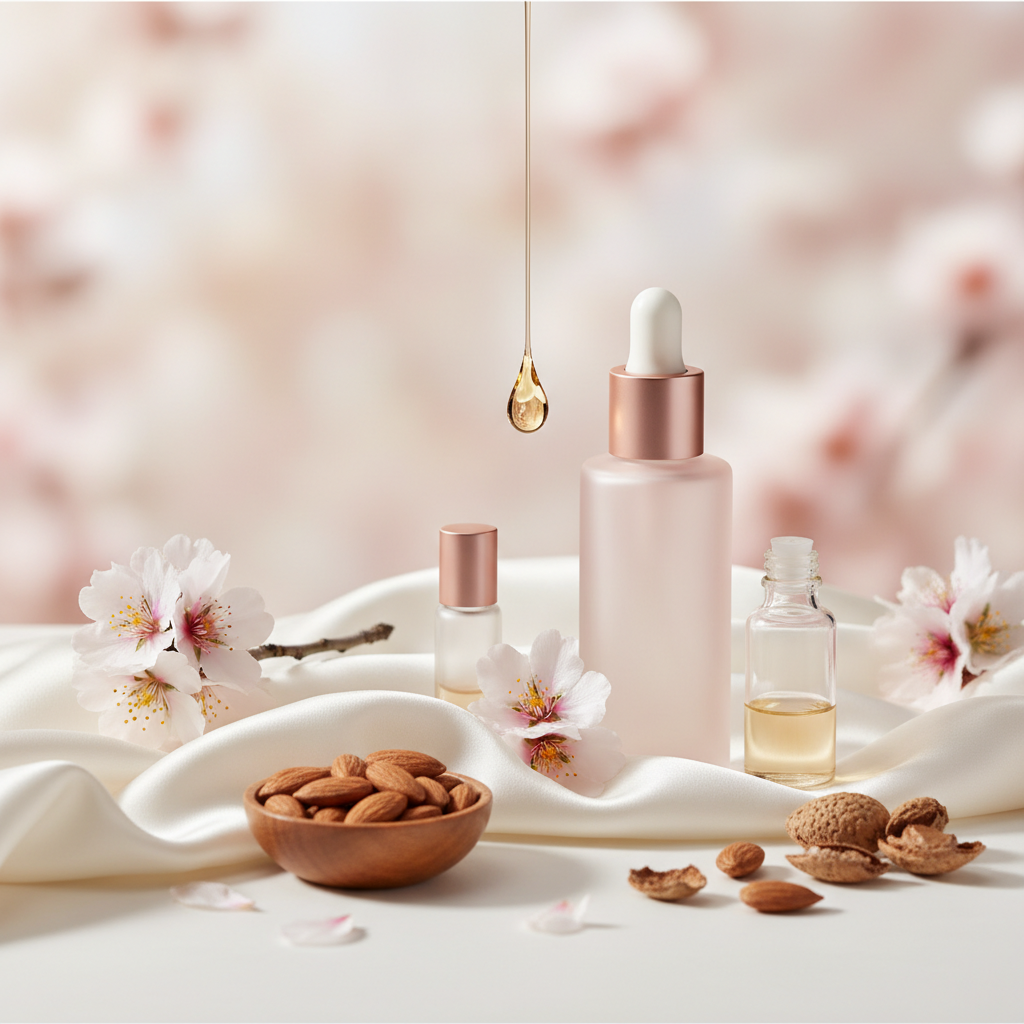
Myth: More Expensive Almond Oil Is Always Better Quality
When shopping for almond oil, it's tempting to assume that a higher price tag automatically means superior quality. This belief has led countless consumers to overpay for products that may not deliver better results than their more affordable counterparts. Today, we're diving deep into this persistent myth to help you make informed decisions about your almond oil purchases.
The Price-Quality Myth Explained
The Myth: Expensive almond oil is always higher quality, purer, and more effective than cheaper alternatives.
The Reality: While price can sometimes indicate quality, it's not a reliable standalone indicator. Research suggests that multiple factors influence almond oil pricing, many of which have little to do with the actual quality of the oil itself.
Evidence indicates that some of the most effective almond oils on the market fall into the mid-range price category, while certain premium-priced products may not justify their cost through superior performance or purity.
What Really Determines Almond Oil Quality
Understanding true quality markers helps separate marketing hype from genuine value. Here are the factors that actually matter:
Processing Method
The extraction method significantly impacts oil quality more than price alone. Cold-pressed almond oil typically retains more nutrients and beneficial compounds compared to heat-extracted versions, regardless of price point. Some affordable brands use superior cold-pressing techniques, while certain expensive products may use heat processing that diminishes quality.
Source and Origin
Premium almonds from specific regions don't necessarily produce better oil for skincare purposes. While California and Mediterranean almonds are often marketed as superior, research suggests that properly processed almonds from various regions can yield equally effective oils.
Purity and Additives
True quality lies in what's not in your almond oil. Pure, unadulterated sweet almond oil should contain only one ingredient. Some expensive products include unnecessary additives or fragrances that don't improve effectiveness and may actually cause skin sensitivities.
Why the Expensive Almond Oil Better Myth Persists
This almond oil price quality myth exists for several psychological and marketing reasons:
Premium Positioning Psychology
Consumers often associate higher prices with better quality across all product categories. This cognitive bias, known as the "price-quality heuristic," influences purchasing decisions even when evidence suggests otherwise.
Marketing and Packaging
Expensive almond oil brands often invest heavily in premium packaging, sophisticated marketing campaigns, and celebrity endorsements. These costs are built into the price but don't necessarily reflect superior product quality.
Limited Ingredient Education
Many consumers lack knowledge about what makes almond oil effective, making them vulnerable to marketing claims that emphasize price as a quality indicator rather than actual product specifications.
Cheap vs Expensive Almond Oil: A Practical Comparison
Let's examine how different price points typically compare across key quality factors:
| Factor | Budget Options ($5-15) | Mid-Range ($15-30) | Premium ($30+) |
|---|---|---|---|
| Processing Method | Variable quality | Often cold-pressed | Usually cold-pressed |
| Purity | Check labels carefully | Generally pure | Typically pure |
| Packaging | Basic but functional | Good protection | Premium materials |
| Third-party Testing | Rarely available | Sometimes provided | Often documented |
Red Flags: When Expensive Doesn't Mean Better
Be cautious of expensive almond oils that exhibit these warning signs:
Excessive Health Claims
Products making unrealistic promises about treating specific conditions often inflate prices based on marketing rather than actual effectiveness. Remember, quality almond oil supports skin health through moisturization and gentle care, not through miraculous healing properties.
Proprietary Blends
Some expensive products contain "proprietary formulations" that dilute pure almond oil with cheaper carrier oils while maintaining premium pricing.
Celebrity Endorsements
Products heavily marketed through celebrity partnerships often include significant marketing costs in their pricing structure without corresponding quality improvements.
How to Identify True Quality Regardless of Price
Smart shoppers focus on these quality indicators rather than price alone:
Ingredient Transparency
Look for products that clearly list "Prunus Amygdalus Dulcis (Sweet Almond) Oil" as the only ingredient. Avoid products with vague ingredient lists or undisclosed additives.
For comprehensive guidance on evaluating different price points, check out our detailed almond oil price guide which breaks down value considerations across various budget ranges.
Processing Information
Quality brands typically specify their extraction method. Cold-pressed, expeller-pressed, or solvent-free extraction methods generally indicate higher quality regardless of price.
Third-Party Testing
Brands that invest in independent purity testing often provide better value, whether they're budget-friendly or premium-priced. Learn more about evaluating oil purity in our guide to almond oil purity testing.
Finding the Sweet Spot: Value-Based Shopping
The best almond oil for your needs balances quality indicators with reasonable pricing:
Mid-Range Options Often Win
Research suggests that almond oils in the $15-25 range frequently offer the best value combination of quality processing, purity, and reasonable pricing without excessive marketing markup.
Bulk Purchasing Considerations
Larger containers often provide better per-ounce value, but only if you'll use the oil within its shelf life (typically 1-2 years when stored properly).
Brand Reputation Research
Some lesser-known brands offer exceptional quality at lower prices because they focus on product quality rather than marketing expenses. Our comprehensive review of best almond oil brands includes both premium and budget-friendly options that deliver genuine value.
Making Smart Purchasing Decisions
To avoid falling for the expensive almond oil better myth, follow these practical steps:
- Read ingredient lists carefully - Pure sweet almond oil should contain only one ingredient
- Research processing methods - Cold-pressed typically indicates better nutrient retention
- Check for third-party testing - Independent verification adds credibility regardless of price
- Consider packaging practicality - Dark glass bottles protect oil quality better than clear containers
- Evaluate customer reviews - Look for consistent feedback about actual performance, not just packaging appeal
The Bottom Line on Almond Oil Value
The relationship between price and quality in almond oil is more complex than simple correlation. While extremely cheap options may cut corners on processing or purity, expensive products often include costs for premium packaging, marketing, and brand positioning that don't translate to better skin and hair benefits.
Evidence indicates that the most effective approach involves evaluating each product based on processing method, purity, sourcing transparency, and customer feedback rather than price alone. Many consumers find that mid-range options provide the optimal balance of quality and value.
Remember, the "best" almond oil is one that meets your specific needs, fits your budget, and comes from a reputable source that prioritizes quality over marketing hype. By understanding what truly matters in almond oil selection, you can make confident choices that deliver genuine value for your beauty and wellness routine.
Whether you're investing in your first bottle or switching brands, focus on the factors that actually impact performance: purity, processing method, and proper storage. Your skin and hair will thank you for choosing substance over expensive marketing promises.