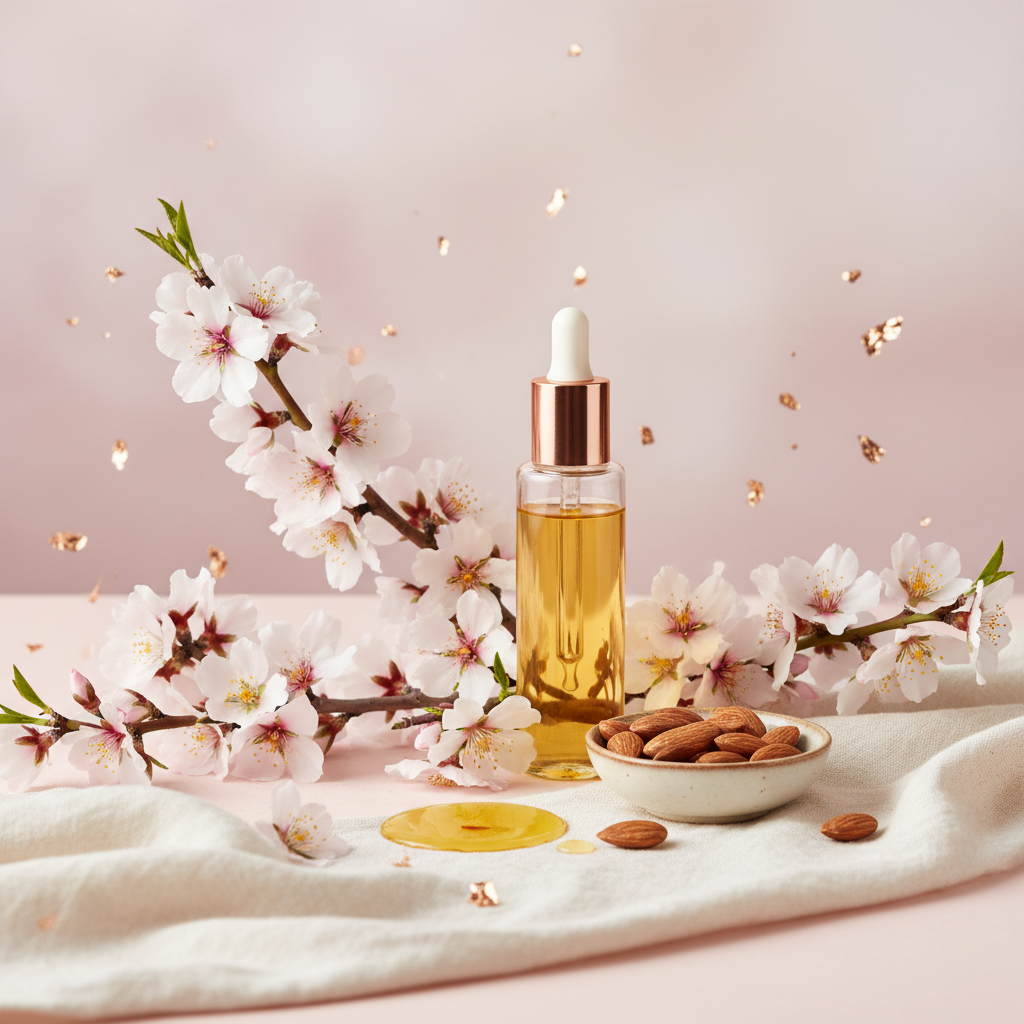
Myth: Almond Oil Is Unsafe for Babies Under Six Months Old
As new parents navigate the overwhelming world of baby care products, conflicting information about natural ingredients can create unnecessary anxiety. One persistent myth that continues to circulate in parenting circles is that sweet almond oil is inherently unsafe for babies under six months old. Let's separate fact from fiction and explore what current research and pediatric guidelines actually tell us about this gentle, time-tested oil.
The Myth Explained
The Myth: Sweet almond oil should never be used on babies under six months of age because their skin is too delicate and permeable, making the oil dangerous or harmful to their development.
This belief has gained traction in some online parenting communities and unfortunately causes many caregivers to avoid what research suggests may be a beneficial and gentle skincare option for infants.
The Facts About Almond Oil and Infant Safety
The Truth: Current evidence indicates that properly sourced, pure sweet almond oil can be safely used on babies under six months old when applied appropriately and with proper precautions.
Research published in pediatric dermatology journals suggests that sweet almond oil has been used safely in infant care for generations across many cultures. A study examining traditional infant massage practices found that sweet almond oil was among the most commonly used and well-tolerated oils for newborn skin care.
The key factors that influence safety include:
- Quality and purity: Using cold-pressed, unrefined sweet almond oil free from additives
- Proper application: Using small amounts and avoiding sensitive areas
- Individual tolerance: Monitoring for any signs of sensitivity
- Professional guidance: Consulting with pediatric healthcare providers
Why This Myth Persists
Several factors contribute to the continued spread of this almond oil unsafe babies myth:
Confusion About Nut Allergies
One primary source of concern stems from confusion about tree nut allergies. Some parents worry that topical application of almond oil might trigger allergic reactions or increase the risk of developing nut allergies later in life. However, research suggests that highly refined sweet almond oil contains minimal protein content, which is typically the component responsible for allergic reactions.
Evidence indicates that the risk profile for topical application differs significantly from ingestion, though families with strong histories of tree nut allergies should always consult their pediatrician before use.
Misunderstanding About Skin Permeability
While it's true that infant skin is more permeable than adult skin, this doesn't automatically make all topically applied oils dangerous. Research suggests that the molecular structure and composition of sweet almond oil make it generally well-tolerated by infant skin when used appropriately.
The concern about increased permeability is valid but requires context. Studies indicate that this characteristic can actually be beneficial when using gentle, nourishing oils, as they may help support the skin's developing barrier function.
Overly Cautious Interpretations
Some interpretations of pediatric guidelines have been more restrictive than the actual recommendations suggest. While caution is always appropriate with infant care, evidence indicates that completely avoiding traditionally used, gentle oils like sweet almond oil may be unnecessarily limiting.
What Research Actually Shows
Studies examining almond oil newborn safety have provided valuable insights:
Skin Barrier Support
Research published in dermatology journals suggests that sweet almond oil may help support the development of the skin barrier in premature and full-term infants. One study observed that regular application of sweet almond oil was associated with improved skin hydration and barrier function in newborns.
Traditional Use Evidence
Anthropological research indicates that sweet almond oil has been used safely in infant massage and skincare across numerous cultures for centuries. This extensive traditional use provides valuable real-world evidence of general safety when proper practices are followed.
Comparative Safety Studies
Some research has compared various oils commonly used in infant care. These studies suggest that sweet almond oil consistently ranks among the better-tolerated options, with fewer reports of adverse reactions compared to some synthetic alternatives.
Safe Usage Guidelines for Infants
While debunking this baby almond oil myth, it's crucial to emphasize proper usage practices:
Quality Matters
Always choose cold-pressed, unrefined sweet almond oil from reputable sources. Avoid products with added fragrances, preservatives, or other additives that might increase the risk of sensitivity.
Patch Testing
Even with generally well-tolerated products, it's wise to perform a small patch test on a less sensitive area of skin before broader application. Apply a tiny amount to the inner forearm and observe for 24 hours.
Appropriate Application
Use small amounts and focus on areas like arms, legs, and back during massage or moisturizing routines. Avoid the face, especially around the eyes and mouth, unless specifically recommended by your pediatrician.
Professional Consultation
Always consult with your baby's healthcare provider before introducing any new skincare products, especially if there's a family history of allergies or skin sensitivities.
When to Exercise Extra Caution
Certain situations warrant additional consideration:
- Family history of tree nut allergies: Discuss with your pediatrician before use
- Premature infants: May require modified approaches under medical guidance
- Existing skin conditions: Professional evaluation recommended
- Any signs of sensitivity: Discontinue use and consult healthcare providers
The Bottom Line
The myth that sweet almond oil is categorically unsafe for babies under six months old doesn't align with current research and traditional evidence. While appropriate caution is always warranted with infant care, evidence suggests that high-quality sweet almond oil can be safely incorporated into newborn skincare routines when used properly and with professional guidance.
Rather than avoiding this gentle oil entirely based on unfounded fears, parents can make informed decisions by understanding the actual risk factors and following proper usage guidelines. For detailed information about safe application techniques, explore our guide on using almond oil for baby care.
If you have concerns about potential allergic reactions, our comprehensive article on almond oil allergies provides valuable insights. For parents interested in incorporating almond oil into bonding routines, learn more about safe baby massage techniques with almond oil.
Remember, every baby is unique, and what works well for one may not be appropriate for another. When in doubt, consult with qualified healthcare providers who can provide personalized guidance based on your baby's individual needs and health history.