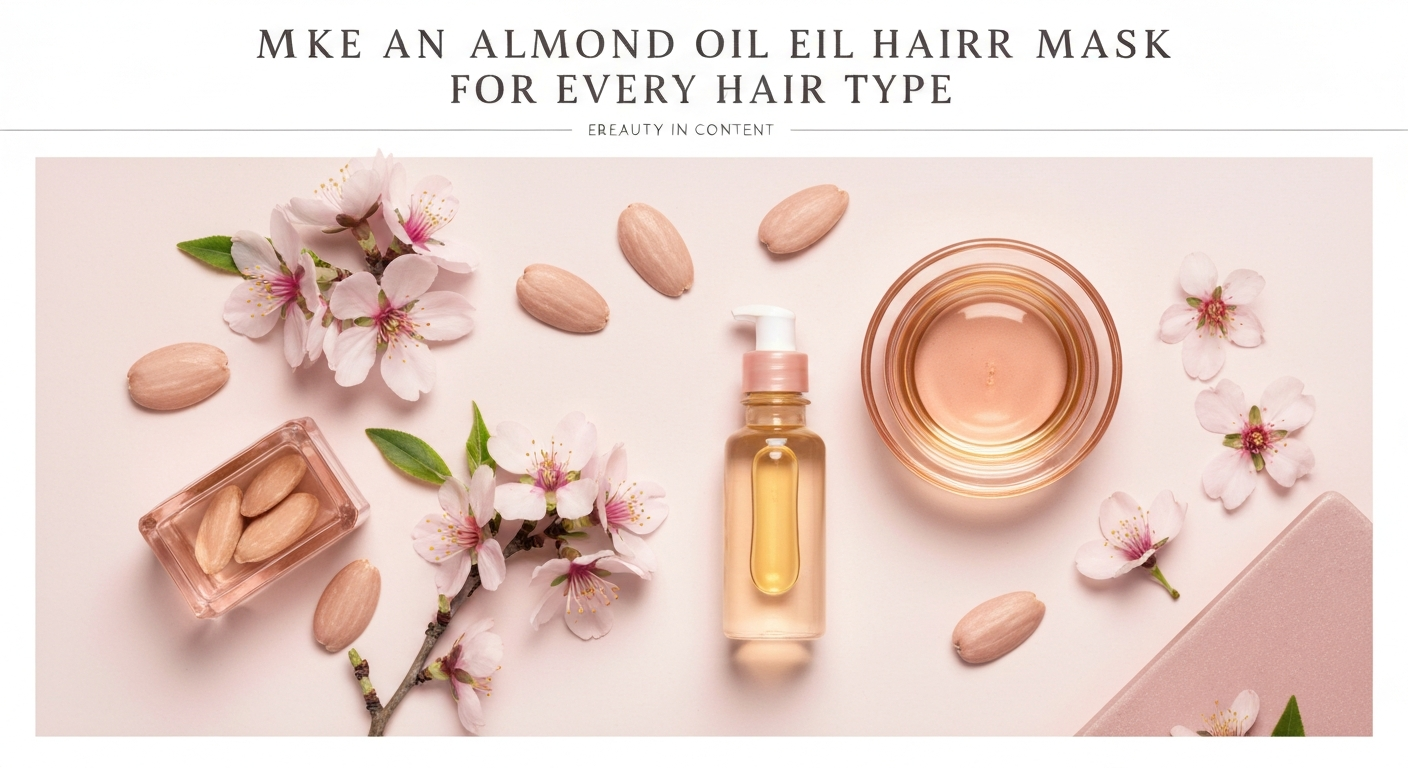
How to Make an Almond Oil Hair Mask for Every Hair Type
Creating your own almond oil hair mask at home is one of the most rewarding ways to pamper your locks with natural ingredients. Sweet almond oil has been traditionally used in hair care for centuries, and many people report that it leaves their hair feeling softer, shinier, and more manageable. Whether you have dry, oily, curly, or chemically-treated hair, there's a DIY almond oil hair mask recipe that may work beautifully for your specific needs.
In this comprehensive guide, we'll walk you through everything you need to know about creating effective almond oil hair masks, from selecting the right ingredients to applying them properly. You'll discover step-by-step recipes tailored to different hair types, plus insider tips to help you avoid common mistakes and get the most from your homemade treatments.
Understanding Almond Oil for Hair Care
Sweet almond oil is extracted from the kernels of sweet almonds and contains naturally occurring vitamins E and A, fatty acids, and proteins. Some research suggests that these components may help support hair's natural moisture balance and shine. Many users report that regular use of almond oil makes their hair feel smoother and appear more lustrous.
Unlike some heavier oils, almond oil has a relatively light texture that many people find absorbs well without leaving hair feeling greasy or weighed down. This versatility makes it an excellent base for DIY almond oil hair masks across all hair types.
Benefits People Report from Almond Oil Hair Masks
- Hair may feel softer and more manageable
- Some users notice improved shine and luster
- May help hair appear less frizzy
- Could support scalp comfort when massaged gently
- Traditionally used to help protect hair during styling
Essential Materials and Ingredients
Before diving into specific recipes, let's gather the basic materials you'll need for any almond oil deep conditioning mask:
Basic Equipment
- Non-metallic mixing bowl (glass or ceramic preferred)
- Whisk or fork for blending
- Wide-tooth comb
- Hair clips or scrunchies
- Shower cap or plastic wrap
- Old towel
- Measuring spoons and cups
Core Ingredients
- Sweet almond oil (cold-pressed, unrefined preferred)
- Raw honey (acts as a natural humectant)
- Eggs (protein-rich, especially yolks)
- Avocado (naturally moisturizing)
- Greek yogurt (may help with shine)
- Coconut oil (complementary moisturizing oil)
- Essential oils (optional, for scent - always dilute properly)
Safety Note: Always perform a patch test 24-48 hours before applying any new hair mask. Apply a small amount to your inner wrist or behind your ear and watch for any reactions. If you have nut allergies, consult your healthcare provider before using almond oil products.
Hair Mask Recipes by Hair Type
For Dry and Damaged Hair: Ultra-Nourishing Almond Mask
This rich formula is perfect for hair that feels brittle, looks dull, or has been exposed to heat styling or chemical treatments. You might also be interested in our guide on using almond oil specifically for damaged hair.
Ingredients:
- 3 tablespoons sweet almond oil
- 1 ripe avocado, mashed
- 2 tablespoons raw honey
- 1 egg yolk
- 1 tablespoon coconut oil (melted)
Step-by-Step Instructions:
- Prepare your workspace: Lay out an old towel and gather all materials. Ensure your hair is damp but not soaking wet.
- Mash the avocado: In your mixing bowl, mash the avocado until smooth and creamy with no large chunks remaining.
- Add wet ingredients: Whisk in the almond oil, honey, egg yolk, and melted coconut oil until well combined.
- Test consistency: The mixture should be creamy and spreadable. If too thick, add an extra teaspoon of almond oil.
- Section your hair: Divide hair into 4-6 sections using clips for easier application.
- Apply from mid-length to ends: Starting about 2 inches from your scalp, work the mask through each section, focusing on the most damaged areas.
- Gentle scalp massage: If desired, use any remaining mixture to gently massage your scalp for 2-3 minutes.
- Cover and wait: Put on a shower cap and let the mask work for 20-30 minutes.
- Rinse thoroughly: Rinse with cool water first, then shampoo as usual. You may need to shampoo twice to remove all oil.
For Oily Hair: Balancing Almond and Clay Mask
This lighter formula helps balance oil production while still providing nourishment to the hair shaft.
Ingredients:
- 2 tablespoons sweet almond oil
- 3 tablespoons plain Greek yogurt
- 1 tablespoon bentonite clay
- 1 tablespoon lemon juice
- 1 teaspoon raw honey
Step-by-Step Instructions:
- Mix dry ingredients: In your bowl, combine the bentonite clay with a small amount of water to create a smooth paste.
- Add wet ingredients: Slowly whisk in yogurt, almond oil, honey, and lemon juice until smooth.
- Apply to clean, damp hair: Focus application from mid-length to ends, avoiding the scalp area.
- Comb through: Use a wide-tooth comb to ensure even distribution.
- Wait and rinse: Leave on for 15-20 minutes, then rinse thoroughly with cool water followed by your regular shampoo.
For Curly and Textured Hair: Defining Almond Cream Mask
Curly hair often benefits from extra moisture and definition-enhancing ingredients.
Ingredients:
- 4 tablespoons sweet almond oil
- 2 tablespoons shea butter (softened)
- 1 tablespoon raw honey
- 1 tablespoon aloe vera gel
- 2-3 drops lavender essential oil (optional)
Step-by-Step Instructions:
- Soften shea butter: Let shea butter reach room temperature or warm slightly between your palms.
- Combine ingredients: Whisk all ingredients together until you achieve a smooth, creamy consistency.
- Apply to sections: Work through hair in small sections, scrunching gently to enhance curl pattern.
- Focus on ends: Pay extra attention to the ends, which tend to be the driest part of curly hair.
- Process with gentle heat: Cover with a shower cap and sit under a hooded dryer for 15 minutes, or wrap with a warm towel.
- Rinse and style: Rinse thoroughly and style as usual while hair is still damp.
For Fine or Thin Hair: Lightweight Almond Protein Mask
Fine hair needs nourishment without the weight that can make it look flat or greasy.
Ingredients:
- 2 tablespoons sweet almond oil
- 1 whole egg
- 2 tablespoons plain yogurt
- 1 teaspoon honey
- 1 tablespoon rice water (optional)
Step-by-Step Instructions:
- Beat the egg: Whisk the egg until frothy and well combined.
- Add remaining ingredients: Slowly incorporate almond oil, yogurt, honey, and rice water.
- Apply lightly: Use less product than you might with other hair types, focusing mainly on mid-lengths and ends.
- Shorter processing time: Leave on for only 10-15 minutes to avoid weighing hair down.
- Rinse thoroughly: Use cool water and follow with a clarifying shampoo if needed.
Professional Application Tips
Timing and Frequency
Most people find that using an almond oil hair mask once or twice per week provides optimal results without over-conditioning. Those with very dry or damaged hair might benefit from more frequent treatments initially, while those with fine or oily hair should start with once weekly applications.
Temperature Considerations
Slightly warming your almond oil (not hot - just body temperature) may help it penetrate more effectively. You can warm it by:
- Placing the oil container in warm water for 5-10 minutes
- Warming between your palms before mixing
- Using a blow dryer on low heat over your shower cap during processing
For more intensive treatments, you might want to explore our guide on almond oil hot oil treatments.
Application Technique
The way you apply your mask can significantly impact results:
- Start with damp hair: Slightly damp hair helps the mask spread more evenly
- Section systematically: Work in 1-2 inch sections for thorough coverage
- Avoid the scalp: Unless specifically treating scalp dryness, focus on mid-lengths and ends
- Use combing motions: Gently comb the mask through with fingers or a wide-tooth comb
- Don't forget the nape: The back of your neck often gets missed but needs attention too
Common Mistakes to Avoid
Over-Application
More isn't always better with hair masks. Using too much product can:
- Make hair look greasy and weighed down
- Require excessive shampooing to remove
- Waste expensive ingredients
- Potentially cause buildup over time
Incorrect Processing Time
Different hair types and conditions require different timing:
- Fine hair: 10-15 minutes maximum
- Normal hair: 15-20 minutes
- Thick or damaged hair: 20-30 minutes
- Very damaged hair: Up to 45 minutes (occasionally)
Improper Removal
Many people struggle with removing oil-based masks completely. Here's the proper technique:
- Pre-rinse with cool water: This helps lift some oil without opening hair cuticles too much
- Apply shampoo to damp hair: Don't wet hair first - apply shampoo directly to oil-coated hair
- Emulsify first: Work the shampoo through without adding water initially
- Then add water gradually: Slowly add water while continuing to massage
- Double shampoo if needed: Very oil-rich masks may require two shampoo cycles
Storage and Freshness Issues
Always make fresh masks when possible. If you must store leftovers:
- Refrigerate immediately and use within 2-3 days
- Never store masks containing raw eggs for more than 24 hours
- Check for any off smells or texture changes before use
- When in doubt, make a fresh batch
Enhancing Your Results
Complementary Treatments
To maximize the potential benefits of your almond oil deep conditioning mask, consider incorporating these complementary practices:
- Regular scalp massage with almond oil between mask treatments
- Using silk or satin pillowcases to reduce friction
- Protecting hair from heat damage with proper styling techniques
- Maintaining a healthy diet rich in hair-supporting nutrients
You might also be interested in learning about how almond oil is traditionally used to support healthy hair growth.
Seasonal Adjustments
Your hair's needs may change with the seasons:
- Winter: Hair may need extra moisture due to dry indoor heating
- Spring: Focus on repairing damage from winter weather
- Summer: Lighter formulations may work better in humid conditions
- Fall: Prepare hair for upcoming harsh weather with intensive treatments
Troubleshooting Common Issues
If Your Hair Feels Too Oily After Treatment
- Try using less oil in your next batch
- Reduce processing time
- Add more protein ingredients (like egg) to balance moisture
- Use a clarifying shampoo for complete removal
If You Don't See Results
- Increase frequency gradually (maximum 3 times per week)
- Adjust the recipe for your specific hair type
- Ensure you're applying enough product to coat all strands
- Be patient - some people report seeing changes after 4-6 weeks of consistent use
If You Experience Scalp Irritation
- Discontinue use immediately
- Rinse hair and scalp thoroughly with cool water
- Avoid applying masks directly to the scalp in future treatments
- Consider whether you might have an allergy to one of the ingredients
- Consult a healthcare provider if irritation persists
Making It Part of Your Routine
Consistency is key when it comes to hair care. Many users report the best results when they make almond oil hair masks a regular part of their self-care routine. Consider setting aside time each week - perhaps Sunday evening - for your hair mask treatment. This creates a relaxing ritual that many people find mentally refreshing as well as potentially beneficial for their hair.
Remember to keep realistic expectations and be patient with the process. Hair grows slowly, and changes in texture, shine, and manageability may take several weeks of consistent use to become noticeable.
Creating your own DIY almond oil hair masks is an affordable, natural way to pamper your hair with ingredients you can pronounce and control. Whether you're dealing with dryness, damage, or simply want to maintain healthy-looking hair, there's likely an almond oil mask recipe that may work well for your specific needs.
Important Reminder: While many people enjoy positive results from natural hair treatments, individual experiences vary. If you have underlying scalp conditions or concerns about hair loss, it's always wise to consult with a qualified healthcare provider or dermatologist before beginning any new hair care regimen.