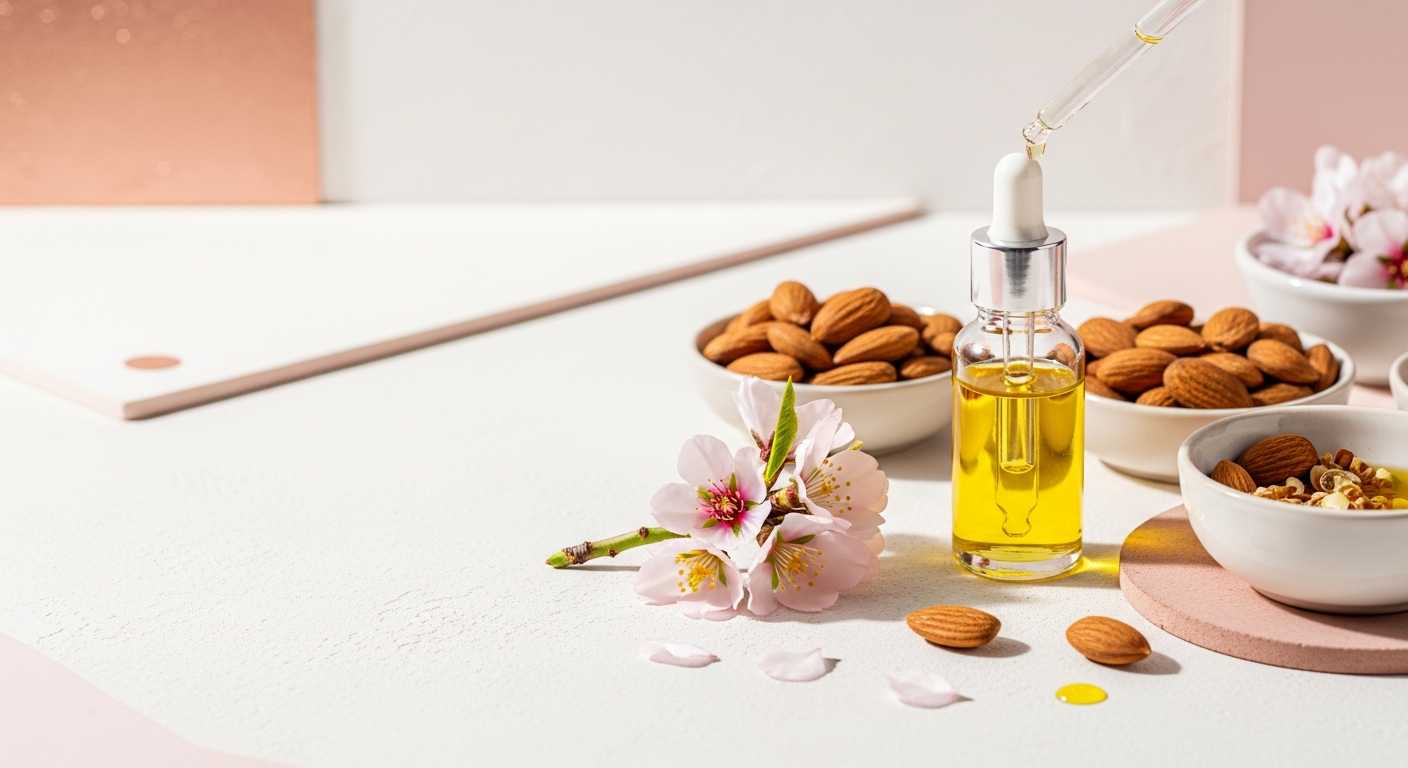
Homemade Almond Oil Hair Serum for Frizz Control and Shine
Transform your hair care routine with this luxurious DIY almond oil hair serum that may help tame flyaways and add natural shine. This simple recipe combines the nourishing properties of sweet almond oil with complementary ingredients to create a lightweight serum that many people find helpful for managing frizz and enhancing hair's natural luster.
Creating your own almond oil frizz serum at home allows you to control every ingredient while potentially saving money compared to store-bought alternatives. Plus, you'll know exactly what you're putting on your hair – no mystery chemicals or harsh additives.
Why Choose Almond Oil for Hair Serums?
Sweet almond oil has been traditionally used in hair care for centuries. Rich in vitamin E, omega-3 fatty acids, and proteins, this lightweight oil may help:
- Smooth the hair cuticle for reduced frizz appearance
- Add natural shine without heavy buildup
- Provide moisture to dry hair strands
- Protect hair from environmental stressors
For more information about how almond oil may support hair health, check out our guide on almond oil for hair growth.
Recipe Details
Difficulty Level: Beginner
Prep Time: 10 minutes
Yield: Approximately 2 fl oz (60ml)
Shelf Life: 6-12 months when stored properly
Ingredients You'll Need
Base Recipe
- 3 tablespoons (45ml) pure sweet almond oil
- 1 tablespoon (15ml) jojoba oil or argan oil
- 1 teaspoon vitamin E oil (optional, for preservation)
- 3-5 drops essential oil of choice (optional, see safety warnings below)
Equipment Needed
- Clean 2 oz dark glass dropper bottle or pump bottle
- Small glass mixing bowl
- Measuring spoons
- Small funnel (optional but helpful)
- Labels for dating your serum
Step-by-Step Instructions
- Prepare your workspace: Clean and sanitize all equipment with rubbing alcohol. Work on a clean surface away from direct sunlight. \li>Measure the base oils: In your glass mixing bowl, combine 3 tablespoons of sweet almond oil with 1 tablespoon of jojoba or argan oil.
- Add vitamin E: If using, add 1 teaspoon of vitamin E oil to help extend the serum's shelf life.
- Optional essential oils: Add 3-5 drops of your chosen essential oil. Popular options include lavender, rosemary, or ylang-ylang (see safety warnings below).
- Mix thoroughly: Stir gently with a clean utensil for 30 seconds to ensure all ingredients are well combined.
- Transfer to bottle: Using a funnel, carefully pour your homemade hair shine serum into your clean glass bottle.
- Label and date: Mark your bottle with the recipe name and date of creation.
- Test before use: Perform a patch test 24 hours before first application (see safety section below).
How to Use Your DIY Almond Oil Hair Serum
For best results:
- Start with 2-3 drops for shoulder-length hair
- Apply to damp or dry hair, focusing on mid-lengths to ends
- Avoid the scalp and roots to prevent greasiness
- Can be used daily or as needed
- Less is more – you can always add more if needed
Safety Warnings and Precautions
⚠️ Important Safety Information
Patch Test Required: Always perform a patch test before first use. Apply a small amount to the inside of your wrist and wait 24 hours to check for any adverse reactions.
Essential Oil Safety:
- Never exceed 5 drops of essential oil in this recipe (approximately 0.5% dilution)
- Some essential oils may cause photosensitivity – avoid sun exposure after application
- Pregnant or nursing women should consult healthcare providers before using essential oils
- Keep away from eyes and mucous membranes
Allergies: Discontinue use immediately if you experience redness, itching, or irritation. Those with tree nut allergies should consult a healthcare provider before using almond oil.
Storage: Keep in a cool, dark place away from direct sunlight and heat. Do not store in humid environments like bathrooms.
Recipe Variations and Substitutions
For Different Hair Types
Fine Hair Variation:
- Reduce almond oil to 2 tablespoons
- Increase jojoba oil to 2 tablespoons
- This creates a lighter serum that may be less likely to weigh down fine strands
Thick/Coarse Hair Variation:
- Add 1 teaspoon of coconut oil (melted and cooled)
- Include 1 teaspoon of castor oil for extra moisture
- This richer blend may provide additional nourishment for thicker hair
Oil Substitutions
If you don't have all the ingredients, try these substitutions:
- Instead of jojoba oil: Argan oil, grapeseed oil, or fractionated coconut oil
- Instead of vitamin E oil: Rosemary essential oil (2-3 drops only) may help with preservation
- For extra shine: Add 1 teaspoon of sunflower oil
Those dealing with damaged hair might also benefit from our comprehensive guide on almond oil for damaged hair.
Storage and Shelf Life
Proper storage is crucial for maintaining your serum's quality and extending its shelf life:
- Container: Always use dark glass bottles to protect oils from light degradation
- Temperature: Store at room temperature (65-75°F) in a cool, dark place
- Avoid: Bathrooms, direct sunlight, and temperature fluctuations
- Signs to replace: Rancid smell, change in color, or separation that doesn't mix when shaken
Expected Shelf Life:
- Without vitamin E: 6-8 months
- With vitamin E oil: 10-12 months
- With essential oils: 6-12 months (depends on the specific essential oil used)
Cost Comparison and Benefits
Making your own almond oil hair serum can be significantly more economical than purchasing commercial alternatives. A typical 2 oz bottle of premium hair serum might cost $20-40, while this homemade version costs approximately $3-5 to make, depending on your ingredient sources.
Additional benefits of DIY hair serums include:
- Complete ingredient control
- Customization for your specific hair needs
- No synthetic fragrances or preservatives
- Sustainable refillable containers
- Fresh batches made as needed
Troubleshooting Common Issues
Serum feels too heavy: Use fewer drops during application or dilute with more jojoba oil in your next batch.
Not providing enough shine: Ensure you're applying to slightly damp hair and try adding a teaspoon of sunflower oil to your recipe.
Causing greasiness: Avoid applying to roots and reduce the amount used. Focus only on the middle lengths and ends of your hair.
Serum separating: This is normal with natural ingredients. Simply shake well before each use.
Final Tips for Success
Creating an effective DIY almond oil hair serum is about finding the right balance for your unique hair type and needs. Start with the basic recipe and adjust as needed based on how your hair responds.
Remember that natural hair care is often about consistency and patience. While some people report immediate improvements in hair texture and shine, others may notice gradual changes over several weeks of regular use.
For more creative ways to incorporate almond oil into your beauty routine, explore our collection of DIY almond oil recipes.
This homemade hair serum represents a simple, natural approach to hair care that puts you in control of what you're applying to your hair. With proper preparation, storage, and application, you may find this DIY solution becomes a valuable addition to your hair care routine.