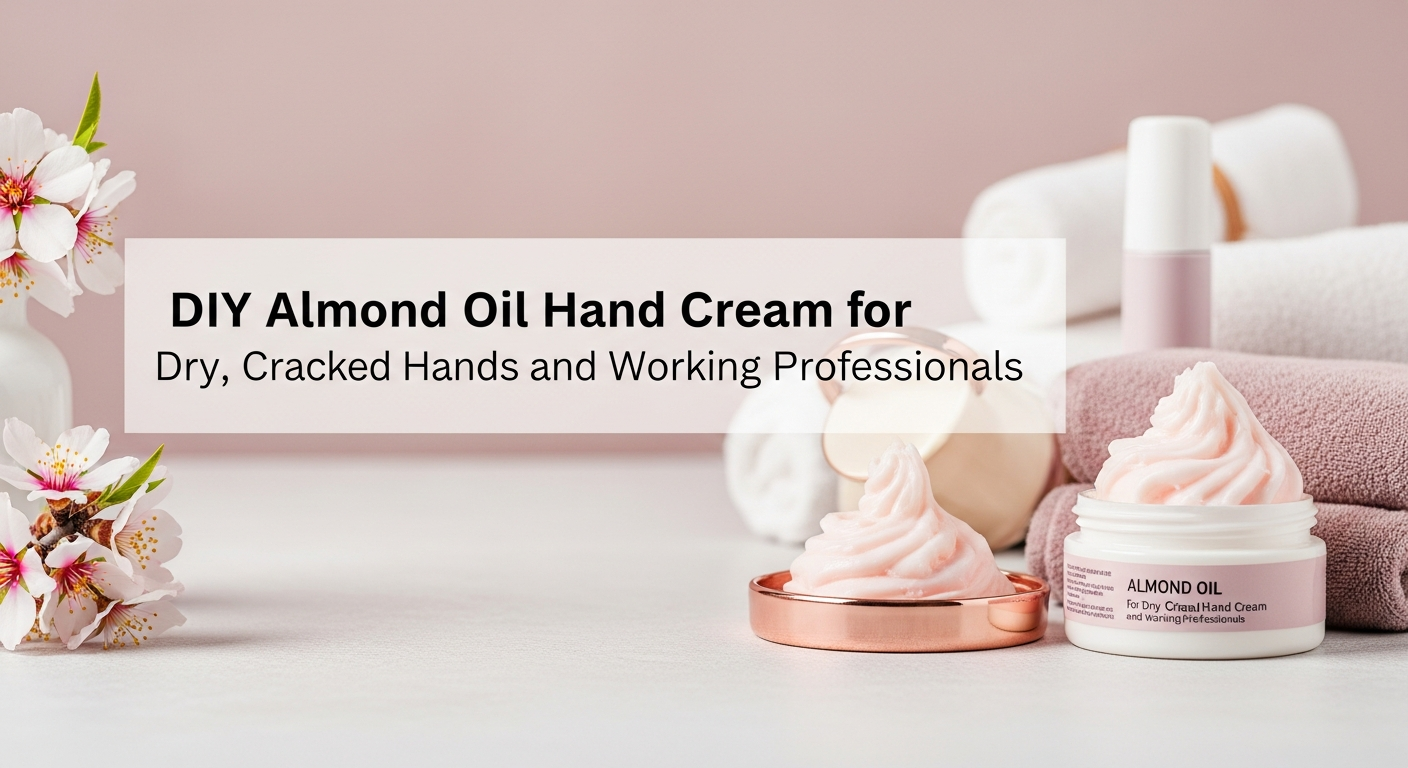
DIY Almond Oil Hand Cream for Dry, Cracked Hands and Working Professionals
If you're tired of constantly reaching for store-bought hand creams that never quite deliver the moisture your hardworking hands need, this DIY almond oil hand cream might be exactly what you've been searching for. Perfect for busy professionals who wash their hands frequently, work with their hands, or simply want a more natural approach to skincare, this homemade hand cream recipe combines the nourishing properties of sweet almond oil with other skin-loving ingredients.
Sweet almond oil has been traditionally used in skincare for centuries, and many people report that it helps their skin feel softer and more supple. This recipe harnesses those qualities in an easy-to-make cream that's perfect for keeping at your desk, in your car, or anywhere your hands need a little extra TLC.
Why Choose Almond Oil for Your Hands?
Before we dive into the recipe, let's talk about why almond oil for dry hands has become such a popular choice among DIY skincare enthusiasts. Sweet almond oil is rich in vitamins E and A, along with essential fatty acids that may help support skin barrier function. Many users report that it absorbs well without leaving a greasy residue, making it ideal for a hand cream you'll actually want to use throughout the day.
Working professionals often face unique challenges when it comes to hand care – frequent handwashing, sanitizer use, paper handling, typing, and exposure to air conditioning can all contribute to dry, uncomfortable skin. A nourishing hand cream made with quality ingredients like almond oil may help support your skin's natural moisture balance.
For more insights into how almond oil traditionally supports skin health, check out our comprehensive guide on almond oil for dry skin.
Complete Ingredients List
This recipe makes approximately 4 oz (120ml) of hand cream, enough to fill two 2-oz containers or one 4-oz jar.
Base Ingredients:
- 3 tablespoons (45ml) sweet almond oil – the star ingredient for nourishment
- 1 tablespoon (15ml) coconut oil – adds antimicrobial properties and texture
- 1 tablespoon (15g) shea butter – provides rich, long-lasting moisture
- 1 tablespoon (8g) beeswax pellets – creates the cream texture and protective barrier
Optional Enhancing Ingredients:
- 1/2 teaspoon vitamin E oil – may help preserve the cream and support skin
- 10-15 drops essential oil (lavender, geranium, or frankincense work beautifully)
- 1 teaspoon honey – for extra moisture and gentle properties
Equipment Needed:
- Double boiler or heat-safe bowl with saucepan
- Wooden spoon or silicone spatula
- Small whisk or fork
- Clean containers for storage (glass preferred)
- Measuring spoons
Step-by-Step Instructions
Difficulty Level: Beginner
Prep Time: 15 minutes
Setting Time: 2-3 hours
Step 1: Prepare Your Workspace
Clean and sanitize all equipment and containers. This is crucial for creating a product that will stay fresh longer. Ensure your workspace is free from drafts and that you have everything within reach.
Step 2: Melt the Base Ingredients
Set up your double boiler with about an inch of water in the bottom pan. Place the beeswax, shea butter, and coconut oil in the top bowl. Heat gently over medium-low heat, stirring occasionally with a wooden spoon. The key here is gentle heat – you don't want to overheat these delicate ingredients.
Step 3: Add the Almond Oil
Once the solid ingredients have melted completely (this usually takes 5-7 minutes), remove the bowl from heat and slowly stir in the sweet almond oil. The mixture should be smooth and well-combined.
Step 4: Cool and Add Enhancements
Allow the mixture to cool for about 5 minutes, stirring occasionally. When it's warm but not hot to the touch, add your vitamin E oil, essential oils (if using), and honey (if using). Stir thoroughly to distribute evenly.
Step 5: Whip (Optional)
For a lighter, fluffier texture, let the mixture cool until it starts to thicken (about 10-15 minutes), then whip with a small whisk or fork for 2-3 minutes. This step is optional but creates a more luxurious feel.
Step 6: Pour and Set
Quickly pour the mixture into your clean containers while it's still pourable. Allow to cool completely at room temperature for 2-3 hours before using.
Critical Safety Warnings and Guidelines
Essential Oil Safety:
Warning: Essential oils must be properly diluted. The recipe above uses a safe dilution ratio of approximately 1-2% (10-15 drops in 4 oz of base). Never exceed this ratio as it may cause skin irritation.
Patch Testing:
Always perform a patch test before using any new skincare product. Apply a small amount of the finished cream to the inside of your wrist and wait 24-48 hours to check for any adverse reactions.
Contraindications:
- Do not use if you have known allergies to tree nuts (almond oil), coconut, or any other ingredients
- Pregnant or nursing women should consult healthcare providers before using essential oils
- Those with sensitive skin should start with the base recipe without essential oils
- If you experience any irritation, discontinue use immediately
Important Notes:
This is a cosmetic product for external use only. Do not ingest. Keep away from eyes and mucous membranes. If you have any existing skin conditions or concerns, consult with a qualified healthcare provider before use.
Storage Instructions and Shelf Life
Store your DIY almond oil hand cream in clean, airtight containers away from direct sunlight and heat. Glass jars work best as they don't interact with the oils. The cream should maintain its quality for 6-8 months when stored properly, though the addition of vitamin E oil may help extend this timeframe.
Signs it's time to discard your cream include:
- Changes in color or smell
- Separation that doesn't remix when stirred
- Any signs of mold or unusual texture
For best results, use clean hands or a small spatula to remove cream from the container, avoiding contamination.
Variations and Substitutions
For Extra Dry Hands:
Increase shea butter to 1.5 tablespoons and add 1 teaspoon of sweet almond oil. You might also enjoy our collection of DIY almond oil recipes for more intensive treatments.
For Sensitive Skin:
Omit essential oils entirely and consider substituting half the coconut oil with more almond oil for an even gentler formula.
Ingredient Substitutions:
- Coconut oil: Can be replaced with jojoba oil or more almond oil
- Shea butter: Cocoa butter or mango butter work as alternatives
- Beeswax: Candelilla wax (use slightly less) for a vegan option
Seasonal Variations:
Add a touch more beeswax in summer for stability, or increase the oil content slightly in winter for extra richness.
Pro Tips for Working Professionals
Make this recipe work for your busy lifestyle:
- Portion into small 1-oz containers for desk, car, and bag
- Apply after each hand washing for best results
- The non-greasy formula absorbs quickly, so you can get back to typing
- Consider making a larger batch monthly for consistent hand care
Don't forget that hand care extends beyond just the skin – our guide on almond oil for nails offers additional tips for keeping your entire hand area healthy and professional-looking.
Final Thoughts
Creating your own DIY almond oil hand cream puts you in control of what goes on your skin while potentially saving money compared to premium store-bought options. This recipe offers a gentle, nourishing blend that many people find helps their hands feel softer and more comfortable throughout the workday.
Remember, everyone's skin is different, so don't hesitate to adjust the recipe to suit your preferences and needs. Start with the basic formula and experiment with variations once you're comfortable with the process. With proper safety precautions and quality ingredients, you'll have a luxurious hand cream that's perfectly tailored to your hardworking hands.