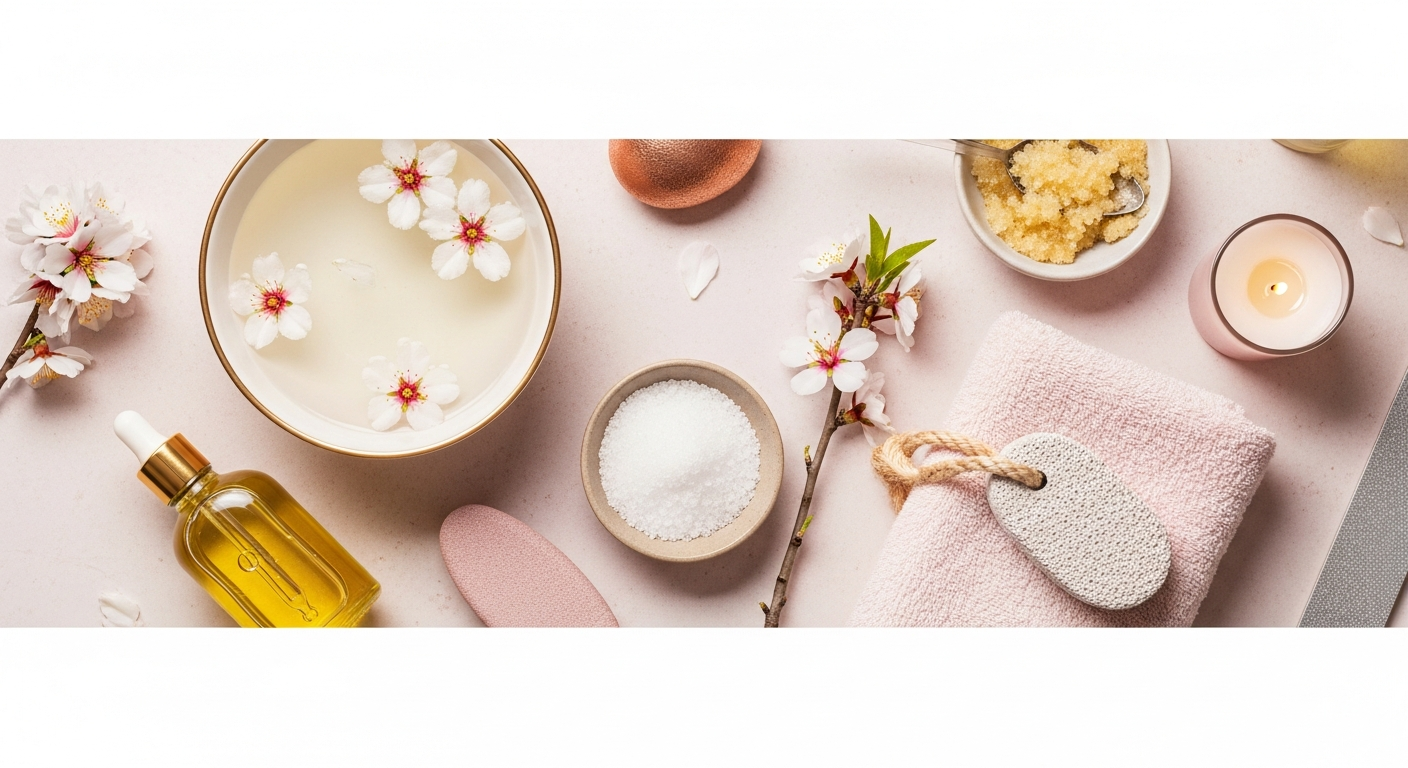
DIY Almond Oil Foot Soak and Heel Repair Treatment for Cracked Feet
Transform your tired, dry feet with this indulgent DIY almond oil foot soak and heel repair treatment. Sweet almond oil has been traditionally used in skincare for its gentle, moisturizing properties, making it a wonderful addition to your at-home pedicure routine. This recipe combines the nourishing qualities of almond oil with other natural ingredients that may help support softer, smoother-looking skin on your feet.
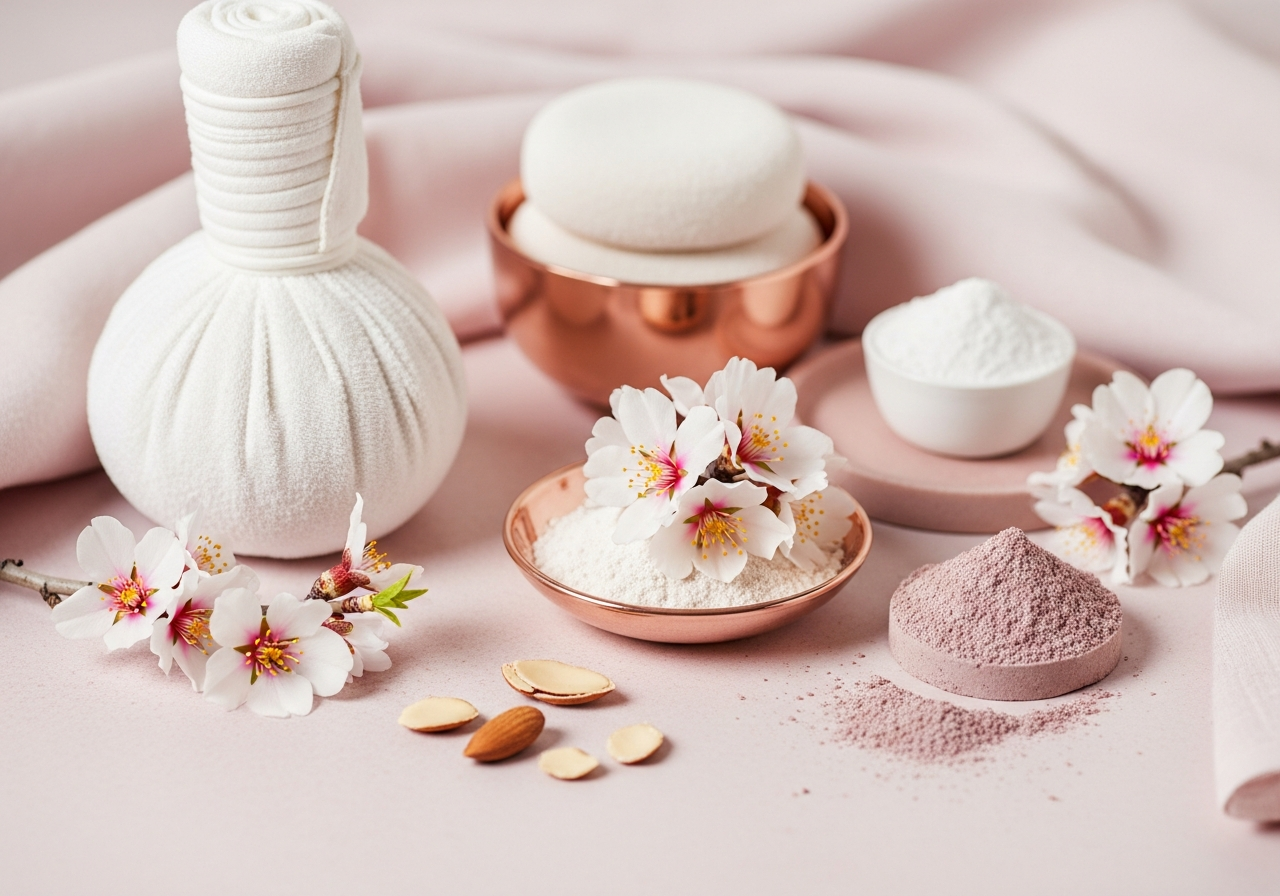
What You'll Need
For the Foot Soak
- 1/4 cup sweet almond oil
- 1/2 cup Epsom salt
- 2 tablespoons baking soda
- 10 drops lavender essential oil (optional)
- 5 drops tea tree essential oil (optional)
- 1 gallon warm water
- Large foot basin or tub
For the Heel Repair Treatment
- 2 tablespoons sweet almond oil
- 1 tablespoon coconut oil (solid at room temperature)
- 1 tablespoon shea butter
- 1 teaspoon honey
- 1/2 teaspoon vitamin E oil
- 3 drops peppermint essential oil (optional)
Equipment
- Double boiler or microwave-safe bowl
- Whisk or spoon for mixing
- Small glass jar or container for storage
- Pumice stone or foot file
- Clean towels
- Cotton socks
Recipe Details
Difficulty Level: Beginner
Prep Time: 15 minutes
Treatment Time: 30-45 minutes
Shelf Life: Foot soak mixture should be used immediately; heel repair treatment keeps for 2-3 months when stored properly
Step-by-Step Instructions
Part 1: Preparing the Almond Oil Foot Soak
- Fill your basin: Add one gallon of comfortably warm water to your foot basin. The water should be warm but not hot enough to cause discomfort.
- Create the salt mixture: In a separate bowl, combine the Epsom salt and baking soda. Mix thoroughly to ensure even distribution.
- Add oils carefully: If using essential oils, add them to the almond oil first, then slowly pour this mixture into your prepared salt blend. This helps ensure proper dilution.
- Dissolve in water: Add the oil and salt mixture to your warm water, stirring gently to help dissolve the salts and distribute the oils.
Part 2: Making the Heel Repair Treatment
- Melt solid ingredients: Using a double boiler or microwave in 30-second intervals, gently melt the coconut oil and shea butter together until just liquefied.
- Cool slightly: Remove from heat and let cool for 2-3 minutes to prevent the mixture from being too hot.
- Add liquid oils: Whisk in the sweet almond oil, honey, and vitamin E oil until well combined.
- Essential oil addition: If using peppermint essential oil, add it now and stir thoroughly. The mixture should have a smooth, balm-like consistency as it cools.
- Transfer to container: Pour into your storage jar and let it solidify at room temperature for about 30 minutes.
Treatment Application Process
The Soak (15-20 minutes)
- Soak your feet in the prepared almond oil foot soak for 15-20 minutes, allowing the warm water and oils to soften the skin.
- Gently move your feet around to help distribute the oils and salts.
- Use this time to relax and let the ingredients work on your skin.
Exfoliation (5 minutes)
- After soaking, use a pumice stone or foot file to gently remove softened dead skin from heels and callused areas.
- Work in circular motions, applying light pressure to avoid irritation.
- Rinse feet with clean warm water and pat dry with a clean towel.
Heel Treatment Application
- Apply a generous amount of the heel repair treatment to clean, dry feet, focusing on the heel and any particularly dry areas.
- Massage gently into the skin for 2-3 minutes to help absorption.
- Put on clean cotton socks to help lock in moisture and prevent the treatment from transferring to surfaces.
- Leave on overnight for best results, or for at least 30 minutes during the day.
Safety Warnings and Important Precautions
Essential Oil Dilution: The essential oils in this recipe are already properly diluted for topical use. Never apply undiluted essential oils directly to skin.
Patch Test Required: Before using this treatment, perform a patch test by applying a small amount to your inner wrist or ankle. Wait 24 hours to check for any adverse reactions.
Contraindications:
- Do not use if you have open wounds, cuts, or infected areas on your feet
- Avoid if you have known allergies to tree nuts (almond oil), coconut, or any other ingredients
- Pregnant or nursing individuals should consult their healthcare provider before using essential oils
- Those with diabetes or circulation issues should consult a healthcare professional before foot soaking
Temperature Safety: Ensure water temperature is comfortable and not too hot, especially if you have reduced sensation in your feet.
Storage Instructions
Store your heel repair treatment in a cool, dry place away from direct sunlight. The treatment should maintain its quality for 2-3 months when stored in an airtight glass container. If the mixture separates slightly, simply stir before use. Discard if you notice any changes in smell, texture, or color.
The foot soak mixture should be prepared fresh each time for best results and hygiene.
Variations and Substitutions
Oil Substitutions
While sweet almond oil is ideal for its lightweight, easily absorbed properties, you can substitute with:
- Jojoba oil: Technically a wax, but excellent for very dry skin
- Avocado oil: Rich in vitamins, good for mature or very dry skin
- Fractionated coconut oil: Stays liquid at room temperature
Learn more about how almond oil may support dry skin in our comprehensive guide.
Essential Oil Alternatives
- Eucalyptus: May provide a refreshing, cooling sensation
- Chamomile: Traditionally used for its gentle, calming properties
- Rosemary: Popular in foot care preparations
Add-In Options
- Oatmeal powder: 1 tablespoon for gentle exfoliation
- Dried herbs: Lavender buds or chamomile flowers for aromatherapy benefits
- Sea salt: Can substitute for Epsom salt if preferred
Maximizing Your Results
For best results, use this almond oil foot soak and heel repair treatment 1-2 times per week as part of your regular self-care routine. Some people report noticing softer, smoother-feeling skin after just one treatment, while others may see more significant changes with consistent use over several weeks.
This treatment pairs beautifully with other almond oil body care applications, creating a comprehensive moisturizing routine. Consider exploring more DIY almond oil recipes to expand your natural skincare collection.
Remember, while this DIY treatment may help support the appearance and feel of your skin, persistent foot problems or concerns should always be discussed with a qualified healthcare provider or podiatrist.
Enjoy this luxurious, spa-like treatment in the comfort of your own home, and give your hardworking feet the pampering they deserve with the gentle, time-honored benefits that sweet almond oil may provide.