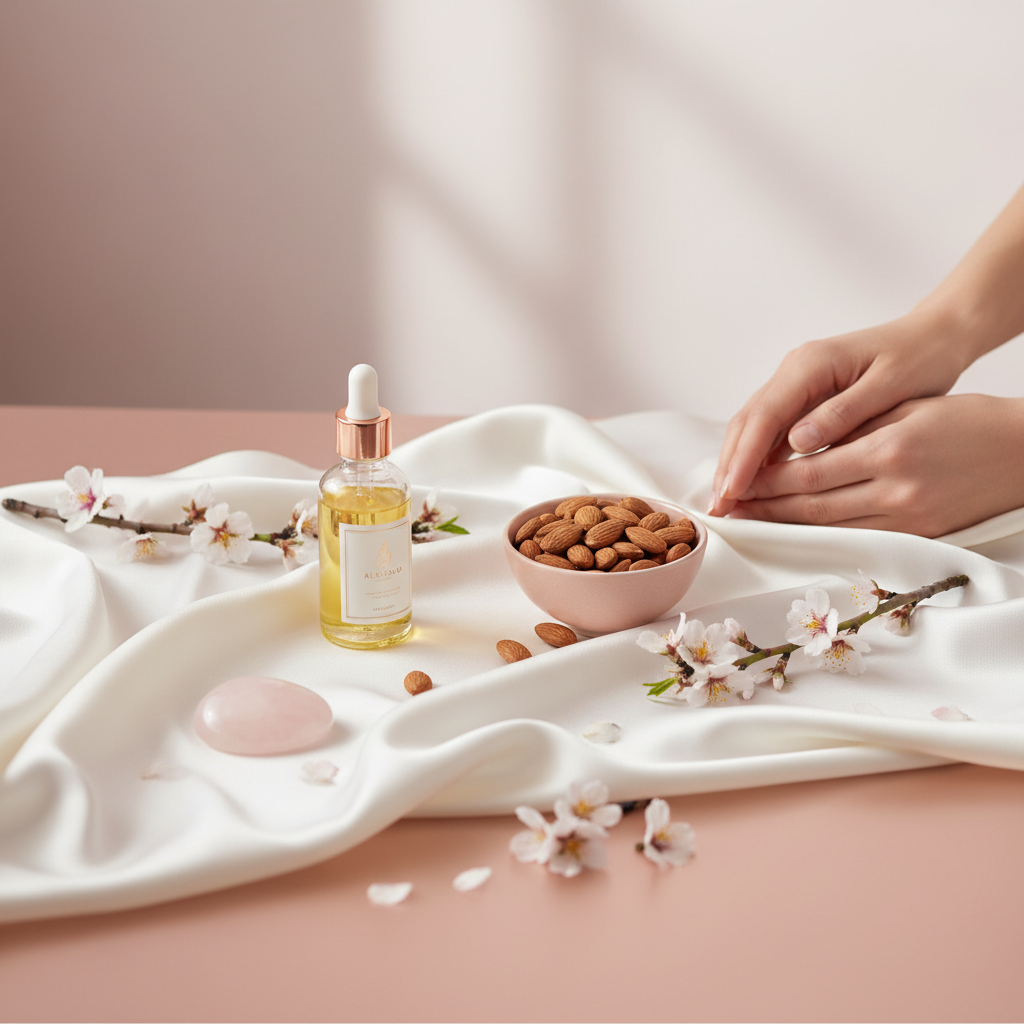
Case Study: Using Almond Oil for Stretch Marks Through Pregnancy — A Real Mother's Story
When Sarah, a 29-year-old marketing professional, discovered she was pregnant with her first child, she began researching natural approaches to skin care during pregnancy. Like many expectant mothers, she was particularly interested in learning about stretch mark prevention and wanted to understand how almond oil for stretch marks might fit into her skincare routine. This educational case study explores her journey, observations, and key learnings throughout her pregnancy.
Disclaimer: This case study is shared for educational purposes only. Individual experiences may vary significantly. Always consult with your healthcare provider before starting any new skincare routine during pregnancy. The observations shared here are personal experiences and should not be interpreted as medical advice or guaranteed results.
The Context: Why Sarah Chose Almond Oil
Sarah's interest in almond oil began during her first trimester when she started researching pregnancy-safe skincare options. She had heard from friends and family about various approaches to stretch mark care, and after reading about the traditional use of natural oils during pregnancy, she wanted to learn more.
"I was looking for something gentle and natural that I could feel comfortable using throughout my pregnancy," Sarah explains. "I'd read that sweet almond oil has been traditionally used by pregnant women for generations, and I liked that it was simple and straightforward."
Her research led her to understand that sweet almond oil is generally considered safe during pregnancy when used topically, though she made sure to discuss her skincare plans with her obstetrician during her regular appointments.
Sarah's Starting Point
At the beginning of her second trimester (14 weeks), Sarah documented her baseline skin condition:
- Naturally fair skin with a tendency toward dryness
- No existing stretch marks on abdomen, hips, or thighs
- Some mild skin sensitivity that had developed early in pregnancy
- Growing belly beginning to show signs of stretching skin
Sarah's Approach: The Routine She Developed
After consulting with her healthcare provider and doing her research, Sarah developed a simple routine using pure, cold-pressed sweet almond oil. Her approach was methodical and consistent, which she felt was key to observing any potential benefits.
The Daily Routine
Sarah's routine evolved over the course of her pregnancy but generally included:
Morning Application (Weeks 14-40):
- Gentle cleansing of the application areas
- Application of 1-2 teaspoons of pure almond oil to belly, focusing on areas of visible stretching
- Light circular massage for 2-3 minutes
- Allowing oil to absorb before dressing
Evening Application (Weeks 20-40):
- Warm shower followed by gentle patting dry
- Application to belly, hips, and upper thighs
- Extended 5-minute gentle massage
- Focus on areas that felt tight or itchy
Product Selection and Quality
Sarah chose to use 100% pure, cold-pressed sweet almond oil from a reputable supplier. "I wanted to make sure I was using a high-quality product," she notes. "I looked for organic certification and made sure there were no added fragrances or other ingredients that might cause sensitivity."
Observations Throughout Pregnancy
Sarah documented her observations in a pregnancy journal, noting changes in her skin's appearance, texture, and comfort level. It's important to emphasize that these are personal observations and individual experiences with skin changes during pregnancy can vary dramatically.
First Month (Weeks 14-18)
During the initial weeks of her routine, Sarah reported:
- Improved skin softness and hydration in application areas
- Reduced feeling of tightness as her belly began to expand more noticeably
- Pleasant, calming ritual that helped her connect with her changing body
- No adverse reactions or sensitivity to the almond oil
"The most immediate thing I noticed was how much softer my skin felt," Sarah observes. "The oil absorbed really well and didn't leave me feeling greasy."
Second Month (Weeks 18-22)
As Sarah entered the period of more rapid belly growth, she noted:
- Continued skin suppleness despite increasing size
- Minimal itching compared to what some friends had described
- Areas that received regular application appeared well-moisturized
- Growing appreciation for the massage aspect of the routine
Third Trimester Observations (Weeks 28-40)
During the final months when stretch marks most commonly appear, Sarah documented:
- Skin remained comfortable and supple despite significant growth
- Some areas of her belly developed a few light marks, particularly during the final month
- Overall skin texture remained smooth and well-hydrated
- The massage routine became increasingly important for comfort
"I did develop a few stretch marks in the last few weeks, especially as baby dropped lower," Sarah notes honestly. "But they were much lighter and less extensive than I had feared, and my skin overall felt really healthy throughout the process."
Unexpected Benefits Sarah Observed
Beyond her primary focus on stretch mark care, Sarah reported several additional observations:
Bonding and Mindfulness
"The daily massage became this really special time for me to connect with my baby and my changing body," Sarah reflects. "It forced me to slow down and be present, which I think was beneficial for my overall well-being during pregnancy."
Sleep and Comfort
Sarah found that the evening application routine, particularly the gentle massage, seemed to help her feel more comfortable at bedtime. "Whether it was the physical comfort or just the relaxing ritual, I felt like it helped me sleep better," she observes.
Skin Health Beyond Stretch Marks
The regular moisturizing routine appeared to benefit her skin's overall appearance and texture. "My skin just felt healthier in general," Sarah notes. "Even areas that didn't develop any marks looked really good."
Postpartum Observations
Six months after delivery, Sarah reflected on her skin's recovery and the lasting effects of her routine:
Immediate Postpartum (0-6 weeks)
- Continued using almond oil during the healing process
- Skin appeared to bounce back relatively well
- The few stretch marks that had appeared began to fade
- Overall skin tone remained even and healthy
Long-term Results (6 months postpartum)
- Stretch marks that appeared had faded to barely visible silver lines
- Skin texture returned close to pre-pregnancy state
- No areas of persistent dryness or irritation
- Continued using almond oil as part of regular skincare routine
What Worked Well: Sarah's Key Observations
When asked about the most important aspects of her experience, Sarah identified several factors that she felt contributed to her positive outcome:
Consistency Was Key
"I think the most important thing was being consistent," Sarah emphasizes. "I didn't miss many days, and I think that regular care made a difference in how my skin adapted to the changes."
Quality Mattered
Using high-quality, pure almond oil appeared to be important for both effectiveness and skin tolerance. "I'm glad I invested in good quality oil. My skin never reacted poorly, and it absorbed beautifully."
The Massage Component
Sarah believes the gentle massage was as important as the oil itself. "Just applying oil isn't the same as really massaging it in. The massage helped with circulation and just felt really good."
Realistic Expectations
"I didn't expect miracles," Sarah notes. "I knew that some women get stretch marks regardless of what they do, and others don't get any even without using anything. I just wanted to give my skin the best care I could."
Challenges and Limitations
Sarah's experience wasn't without its challenges, and she's honest about the limitations of her approach:
Time Commitment
The twice-daily routine required dedication, especially as pregnancy progressed and energy levels varied. "There were definitely days when I was tired or rushed, but I tried to at least do a quick application."
Messiness Factor
Managing oil application while getting dressed for work required some planning. "I had to build in extra time in the mornings to let the oil absorb before putting on clothes."
Individual Variation
Sarah acknowledges that her experience might not reflect what others would observe. "I know women who used nothing and had no marks, and others who tried everything and still got significant stretching. Genetics probably play a huge role."
Key Learnings and Insights
Sarah's journey provided several valuable insights that might be helpful for other women considering almond oil for stretch mark care:
Start Early
"I'm glad I started in the second trimester rather than waiting until I was obviously showing," Sarah reflects. "It gave my skin time to adjust gradually."
Focus on Overall Skin Health
Rather than fixating solely on stretch mark prevention, Sarah found it helpful to think about overall skin health and comfort. "When my focus was on keeping my skin healthy and comfortable, it felt less stressful and more nurturing."
Consider Making Your Own Blend
Toward the end of her pregnancy, Sarah experimented with creating a DIY stretch mark oil blend by adding a small amount of vitamin E oil to her almond oil. "I liked having that extra bit of skin-nourishing ingredients, though the plain almond oil worked great too."
Document Your Journey
"I'm so glad I took photos and kept notes," Sarah says. "It's easy to forget exactly how your skin looked and felt at different stages. Having that record helped me see the changes more objectively."
Expert Perspectives and Context
Sarah's experience aligns with what many dermatologists and midwives observe about pregnancy skin care. While there's no definitive research proving that any topical product can prevent stretch marks, many healthcare providers support the use of gentle, moisturizing routines for overall skin comfort during pregnancy.
Dr. Jennifer Martinez, a dermatologist who specializes in pregnancy-related skin changes, notes: "While we can't promise that any product will prevent stretch marks, maintaining well-moisturized, healthy skin certainly doesn't hurt. Sweet almond oil is generally well-tolerated and can be part of a gentle skincare routine."
Final Reflections
Looking back on her experience, Sarah feels positive about her choice to incorporate almond oil into her pregnancy skincare routine. While she can't definitively say whether it prevented stretch marks or simply supported her skin's natural adaptation process, she values the experience overall.
"I don't know if I would have had more stretch marks without the oil, or fewer marks with a different approach," Sarah concludes. "But I do know that my skin felt comfortable and healthy throughout my pregnancy, and that daily ritual became a really meaningful part of my journey to motherhood."
For women considering a similar approach, Sarah emphasizes the importance of realistic expectations, consistency, and enjoyment of the process. "If you're going to commit to a routine like this, make sure it feels good and nurturing, not like another chore. The time I spent caring for my skin was time well spent, regardless of the outcome."
Important Reminders
This case study represents one individual's personal experience and observations. Results may vary significantly between different people due to factors including genetics, skin type, weight gain patterns, and overall health. Always consult with your healthcare provider before starting any new skincare routine during pregnancy, and remember that stretch marks are a normal part of many pregnancies regardless of preventive measures taken.