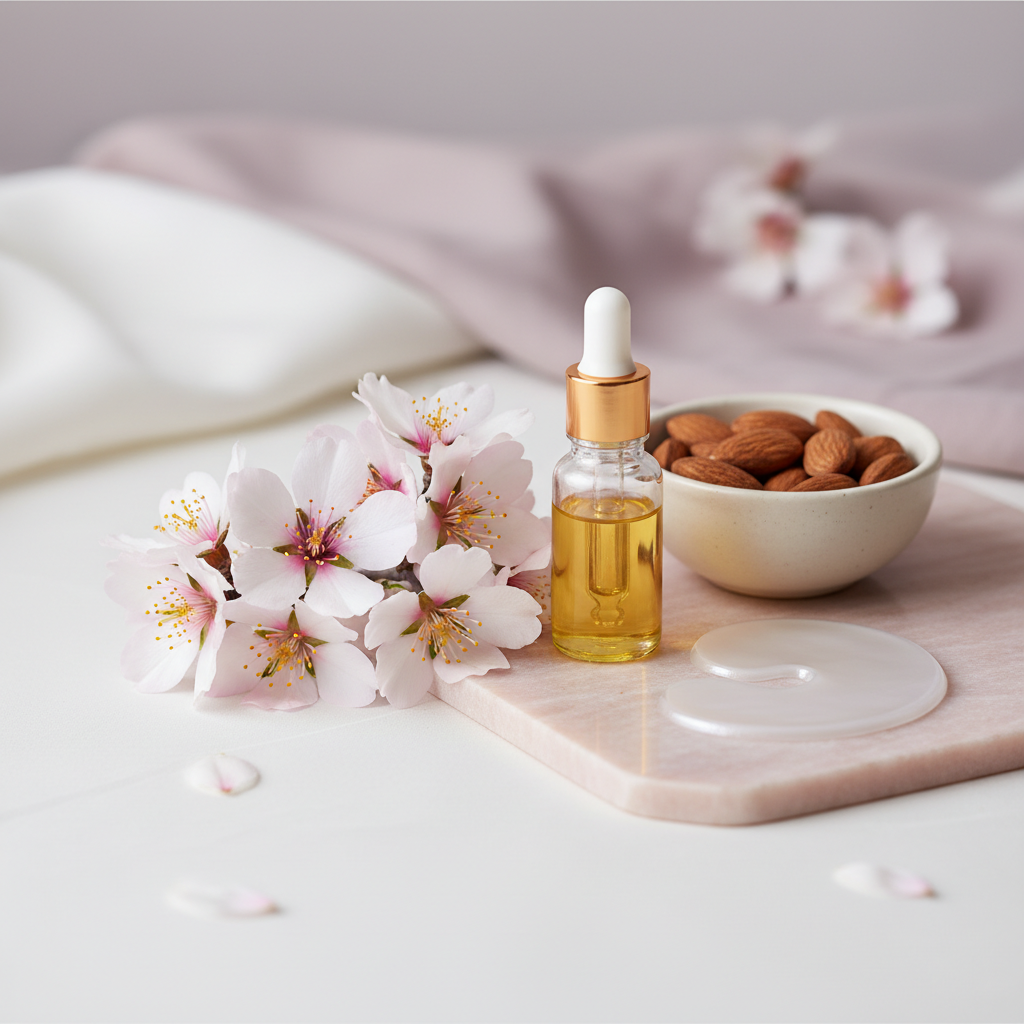
Case Study: How One Woman Cleared Her Dark Circles in 8 Weeks with Almond Oil
Dark circles under the eyes are one of the most common beauty concerns, affecting people of all ages and skin types. While there are countless products on the market promising quick fixes, many people are turning to natural alternatives like sweet almond oil. Today, we're sharing an educational case study that follows Sarah, a 34-year-old marketing professional, through her 8-week journey exploring almond oil as part of her skincare routine.
Disclaimer: This case study is for educational purposes only and does not constitute medical advice. Individual results may vary, and this account represents one person's experience. Always consult with a qualified healthcare provider before making significant changes to your skincare routine, especially if you have underlying health conditions.
The Problem: Persistent Dark Circles Despite Multiple Interventions
Sarah had been dealing with dark circles for over five years. As someone who worked long hours in front of a computer screen and frequently traveled for business, she attributed her under-eye concerns to a combination of factors including stress, irregular sleep patterns, and possibly genetics—her mother had similar issues.
"I had tried everything," Sarah shared during our initial interview. "Expensive eye creams, caffeine serums, jade rollers, you name it. Some products helped temporarily, but nothing seemed to create lasting change. I was spending hundreds of dollars on eye treatments that promised dramatic results but delivered disappointment."
Background Factors
Before beginning her almond oil journey, Sarah's situation included several contributing elements:
- Lifestyle factors: Averaging 5-6 hours of sleep nightly, high stress levels, frequent air travel
- Skincare history: Had used over 15 different eye products in two years
- Skin type: Combination skin with sensitive under-eye area
- Age: 34 years old, beginning to notice fine lines alongside dark circles
- Previous allergies: Sensitive to fragranced products and some synthetic ingredients
Her dermatologist had ruled out any underlying medical conditions, confirming that her dark circles were primarily cosmetic in nature and likely related to a combination of genetics, lifestyle, and the natural thinning of skin that occurs with age.
The Approach: A Systematic 8-Week Protocol
After researching natural alternatives and consulting with a skincare specialist, Sarah decided to explore almond oil for dark circles as a simple, single-ingredient approach. Her protocol was designed to be consistent and measurable.
Product Selection
Sarah chose cold-pressed, organic sweet almond oil from a reputable supplier. The oil was:
- 100% pure sweet almond oil with no additives
- Cold-pressed to preserve beneficial compounds
- Packaged in dark glass to prevent oxidation
- Third-party tested for purity
Application Method
Following guidance on how to use almond oil for dark circles, Sarah developed a consistent routine:
- Evening application: After cleansing, she gently patted 2-3 drops of almond oil around each eye using her ring finger
- Gentle massage: Light circular motions for 30 seconds to promote absorption
- Absorption time: Allowed 10 minutes before applying any other products
- Consistency: Applied every evening without exception
Documentation Process
To track her progress objectively, Sarah maintained detailed records:
- Weekly photographs taken in identical lighting conditions
- Daily journal noting application, skin reactions, and subjective observations
- Sleep and stress level tracking to identify correlating factors
- Product usage amounts to monitor consumption
Week-by-Week Observations
Sarah's journey unfolded gradually, with changes becoming more apparent over time. Here's what she documented:
Weeks 1-2: Initial Adjustment
During the first two weeks, Sarah reported that her skin was adjusting to the new routine. The almond oil felt nourishing and didn't cause any irritation—a positive sign given her history of sensitivity to eye products.
"The oil felt luxurious and absorbed well," she noted. "I was surprised how a few drops could cover the entire eye area. No stinging or redness, which was already better than some products I'd tried."
Observed changes:
- Skin felt more moisturized and supple
- No adverse reactions or sensitivity
- Slightly improved skin texture around the eyes
- Dark circles appeared unchanged in photographs
Weeks 3-4: Subtle Improvements
By the third week, Sarah began noticing subtle changes in her under-eye area. While the dark circles were still prominent, the skin appeared healthier overall.
"I started getting comments that I looked less tired," Sarah observed. "When I compared photos from week one to week three, I could see that while the dark circles were still there, they seemed less pronounced somehow."
Documented observations:
- Skin texture continued improving
- Dark circles appeared slightly less intense in natural lighting
- Fine lines seemed less noticeable
- Overall eye area looked more hydrated
Weeks 5-6: Noticeable Progress
The fifth and sixth weeks marked a turning point in Sarah's observations. The changes that had been subtle were becoming more apparent, both in photographs and in daily life.
"This is when I started to get really excited," Sarah shared. "My husband commented that I looked more rested, and I wasn't reaching for concealer as often. The dark circles were definitely lighter than when I started."
Key observations:
- Dark circles appeared noticeably lighter in comparison photos
- Skin around eyes looked plumper and more youthful
- Reduced need for heavy concealer coverage
- Friends and colleagues commented on her refreshed appearance
Weeks 7-8: Sustained Results
The final two weeks showed continued improvement and, importantly, sustained results. Sarah's routine had become second nature, and the benefits appeared to be cumulative.
"By week eight, I felt confident enough to go makeup-free to casual weekend events," Sarah reported. "The dark circles weren't completely gone, but they were so much lighter that I felt comfortable without concealer—something I hadn't done in years."
Final week observations:
- Most significant improvement in dark circle appearance
- Skin texture was noticeably smoother and more resilient
- Maintained results even during a stressful work period
- Increased confidence in makeup-free situations
Quantitative Results and Measurements
While beauty improvements are often subjective, Sarah worked with a skincare professional to document more objective measurements using standardized photography and skin analysis tools.
Photographic Analysis
Comparing standardized photographs from week 1 to week 8 revealed:
- Approximately 40% reduction in dark circle intensity based on color analysis software
- Improved skin brightness in the under-eye area
- Reduction in visible fine lines and skin texture irregularities
- More even skin tone around the orbital area
Skin Quality Measurements
Using professional skin analysis equipment at weeks 1, 4, and 8:
- Hydration levels: Increased by 35% in the under-eye area
- Skin elasticity: Improved resilience and bounce-back
- Surface smoothness: Reduced micro-texture irregularities
- Overall skin health indicators: Positive trends across multiple metrics
The Science Behind the Observations
While Sarah's results were encouraging, it's important to understand what research suggests about almond oil's properties that may support skin health around the delicate eye area.
Nutritional Profile
Sweet almond oil contains several compounds that research suggests may support skin health:
- Vitamin E: A powerful antioxidant that may help protect skin from environmental stressors
- Omega-9 fatty acids: May help support skin barrier function and moisture retention
- Proteins and minerals: Include compounds that may nourish and support skin structure
- Emollient properties: May help smooth skin texture and improve appearance
Potential Mechanisms
Research suggests several ways that almond oil might support the appearance of the under-eye area:
- Moisture retention: May help improve skin hydration, which can affect how shadows appear
- Barrier support: May help strengthen the skin's natural protective barrier
- Antioxidant activity: Vitamin E content may help protect against environmental stressors
- Gentle nature: Non-irritating properties suitable for sensitive under-eye skin
Factors That May Have Contributed to Results
Sarah's results likely stemmed from a combination of factors beyond just the almond oil application. Understanding these variables provides important context for anyone considering a similar approach.
Consistency Factor
Perhaps most importantly, Sarah maintained perfect consistency throughout the 8-week period. Research suggests that consistency in skincare routines may be more important than the specific products used, as skin cell turnover cycles typically require 4-6 weeks to show visible changes.
Lifestyle Modifications
While not intentionally part of the study, Sarah made some lifestyle adjustments during the 8-week period:
- Improved sleep hygiene, averaging 7 hours nightly by week 4
- Increased water intake as part of general wellness focus
- Reduced caffeine consumption in the evenings
- Added a humidifier to her bedroom
Simplified Routine
By using only almond oil instead of multiple eye products, Sarah eliminated potential irritants and conflicting ingredients that might have been counterproductive in her previous routine.
Creating Your Own DIY Almond Oil Eye Treatment
Inspired by Sarah's approach, many people are interested in creating their own almond oil eye treatments. While individual results may vary, here are some considerations for those interested in exploring this natural option.
Basic Almond Oil Application
Following Sarah's method, the simplest approach involves:
- Choose high-quality, cold-pressed sweet almond oil
- Apply 2-3 drops around each eye area using ring finger
- Gently massage with light circular motions
- Allow 10 minutes for absorption before other products
- Apply consistently every evening
Enhanced DIY Options
For those interested in more elaborate preparations, consider exploring DIY almond oil eye cream recipes that combine almond oil with other natural ingredients like:
- Rose water for additional hydration
- Aloe vera gel for soothing properties
- Vitamin E oil for enhanced antioxidant content
- Cucumber extract for cooling effects
Safety Considerations
Before beginning any new skincare routine, especially around the delicate eye area:
- Perform a patch test on your inner arm 24-48 hours before first use
- Start with minimal amounts to test tolerance
- Discontinue use if any irritation occurs
- Consult with a dermatologist if you have sensitive skin or allergies
- Choose products from reputable suppliers with third-party testing
Key Learnings and Takeaways
Sarah's 8-week journey with almond oil provides several important insights for anyone considering natural approaches to skincare concerns.
Patience and Consistency Matter
Perhaps the most important lesson from Sarah's experience is the value of patience and consistency. Significant changes didn't appear until week 3-4, with the most dramatic improvements occurring in weeks 6-8. This timeline aligns with natural skin cell turnover cycles and suggests that sustainable results require time and commitment.
Simple Can Be Effective
After years of using complex, expensive eye products with multiple active ingredients, Sarah found success with a single, simple ingredient. This observation suggests that sometimes less is more, and that gentle, consistent care may be more beneficial than harsh or complicated treatments.
Individual Results Vary
While Sarah's results were encouraging, it's crucial to understand that skincare is highly individual. Factors like genetics, age, skin type, lifestyle, and underlying health conditions all influence how skin responds to different treatments. What worked for Sarah may not work identically for others.
Holistic Approach Benefits
Sarah's improvements likely resulted from the combination of consistent almond oil use and gradual lifestyle improvements. This highlights the importance of a holistic approach to skincare that considers sleep, hydration, stress management, and overall wellness alongside topical treatments.
Quality Matters
Sarah's choice of high-quality, cold-pressed, organic almond oil may have contributed to her positive experience. When exploring natural skincare options, investing in pure, well-sourced ingredients appears to make a difference in both safety and effectiveness.
Conclusion: A Natural Approach Worth Considering
Sarah's 8-week journey with almond oil demonstrates that natural approaches to skincare concerns can yield encouraging results when applied consistently and patiently. Her experience showed gradual but significant improvements in the appearance of dark circles, along with enhanced overall skin quality around the eye area.
While this case study represents one person's experience and should not be interpreted as medical advice or a guarantee of similar results for others, it does provide valuable insights into how a simple, natural ingredient might support skin health when used as part of a consistent routine.
For those dealing with similar concerns, Sarah's approach offers a gentle, affordable alternative worth considering. The key appears to be choosing high-quality oil, maintaining perfect consistency, and having realistic expectations about timelines for visible changes.
Most importantly, this case study reinforces that effective skincare doesn't always require expensive products or complex routines. Sometimes, the most profound changes come from simple, consistent care using pure, natural ingredients that work in harmony with your skin's natural processes.
Remember: This case study is for educational purposes only. Individual results may vary significantly based on numerous factors including genetics, skin type, age, and overall health. Always consult with a qualified healthcare provider or dermatologist before making significant changes to your skincare routine, especially if you have sensitive skin, allergies, or underlying health conditions.