Best Almond Oil for Hair: Top Picks for Growth, Shine, and Damage Repair
Shopping for almond oil can feel overwhelming with so many options available. Whether you're new to hair oiling or looking to upgrade your current routine, finding the right almond oil for your hair needs requires understanding what makes one product better than another. In this comprehensive buyer's guide, we'll walk you through everything you need to know to make an informed purchase.
What Makes Almond Oil Special for Hair Care
Sweet almond oil has earned its place as a hair care staple due to its unique composition. Rich in vitamin E, fatty acids, and proteins, this lightweight oil is traditionally used to support hair health and appearance. Many people report that regular use may help promote softer, shinier-looking hair while providing moisture to dry strands.
The molecular structure of almond oil allows it to penetrate the hair shaft more easily than heavier oils, making it suitable for various hair types without weighing hair down. This versatility is one reason why almond oil for hair growth routines have become increasingly popular among beauty enthusiasts.
Quality Indicators: What to Look For
Processing Method
The extraction method significantly impacts oil quality and potency:
- Cold-pressed: The gold standard for almond oil. This method preserves nutrients and maintains the oil's natural properties without heat damage.
- Expeller-pressed: Uses mechanical pressure but may involve some heat. Still better than chemically processed options.
- Refined: Processed with heat and chemicals to remove impurities. While shelf-stable, it may lack some beneficial compounds.
- Unrefined: Minimal processing retains more nutrients but requires careful storage.
Color and Consistency
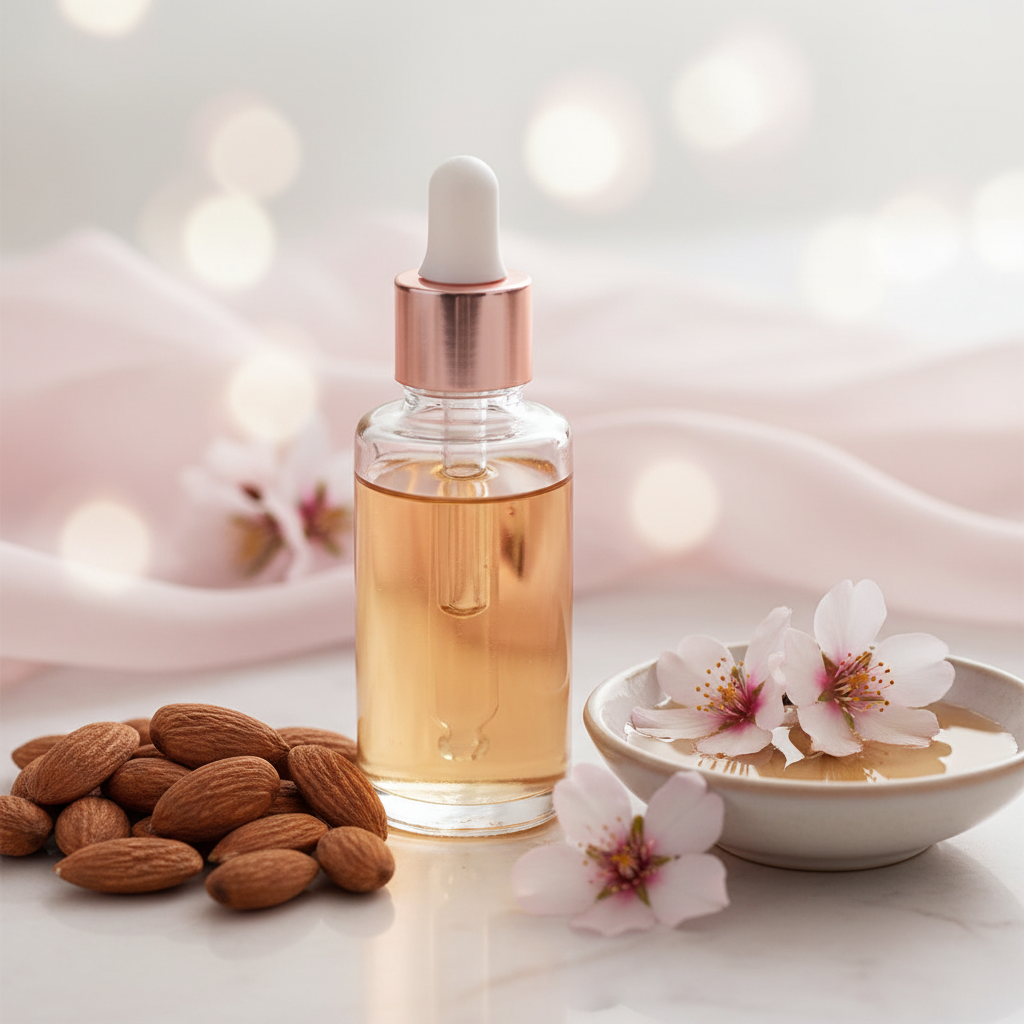
High-quality sweet almond oil typically appears pale yellow to golden and has a light, non-greasy consistency. It should flow smoothly and absorb relatively quickly into hair without leaving excessive residue.
Scent Profile
Pure almond oil has a mild, slightly sweet, nutty aroma. Strong or unpleasant odors may indicate rancidity or the presence of additives.
Packaging
Look for dark glass bottles or opaque containers that protect the oil from light exposure, which can cause degradation over time.
Key Features to Compare When Shopping
Organic Certification
Organic almond oils are produced without synthetic pesticides, herbicides, or fertilizers. While not always necessary, organic certification can indicate higher quality standards and environmental consciousness.
Single Ingredient vs. Blends
Pure almond oil contains only sweet almond oil, while blends may include other carrier oils or additives. For specific hair care routines, single-ingredient products offer more control over your regimen.
Size Options
Consider your usage frequency when choosing sizes:
- 1-2 oz: Perfect for trying a new brand or travel
- 4 oz: Good for regular users or small households
- 8-16 oz: Economical for frequent use or multiple family members
Third-Party Testing
Brands that conduct independent purity testing demonstrate commitment to quality. Look for certificates of analysis or mention of testing for contaminants.
Top Almond Oil Picks by Category
Best Overall: Premium Cold-Pressed Options
Price Range: $15-25 for 4 oz
Premium cold-pressed almond oils typically offer the best balance of quality and performance. These products undergo minimal processing and retain maximum nutritional content. Look for brands that source from organic almond groves and use traditional extraction methods.
What sets these apart:
- Rich golden color indicating minimal processing
- Excellent absorption without greasiness
- Pleasant, natural almond scent
- Detailed sourcing information from manufacturers
Best Budget Option: Refined Almond Oil
Price Range: $6-12 for 4 oz
Budget-friendly refined almond oils can still provide benefits for hair care routines, though they may lack some nutrients found in unrefined versions. These oils are typically lighter in color and have longer shelf lives due to processing.
Budget considerations:
- Stable shelf life makes them cost-effective for occasional use
- Lighter consistency may work better for fine hair
- Widely available at drugstores and online retailers
- Good option for beginners testing almond oil benefits
Best for Sensitive Scalps: Organic Unrefined Options
Price Range: $18-30 for 4 oz
Organic, unrefined almond oils undergo minimal processing and contain no synthetic additives, making them suitable for those with sensitive skin or scalp concerns. These products maintain their natural composition and may be better tolerated by individuals with sensitivities.
Best Multi-Purpose: Food-Grade Almond Oil
Price Range: $12-20 for 8 oz
Food-grade almond oils meet strict purity standards and can serve double duty in both kitchen and beauty routines. These oils are typically cold-pressed and free from additives, making them versatile household staples.
Red Flags to Avoid
Unrealistic Claims
Be wary of products making exaggerated promises about hair transformation or medical benefits. Quality almond oils rely on their natural properties rather than dramatic marketing claims.
Suspiciously Low Prices
While budget options exist, prices significantly below market average may indicate diluted or lower-quality products. Compare price per ounce across brands to identify potential issues.
Lack of Ingredient Transparency
Reputable brands clearly list ingredients and processing methods. Avoid products with vague labeling or incomplete ingredient lists.
Poor Storage Conditions
Avoid purchasing almond oil that has been stored in clear containers exposed to bright lights or high temperatures, as these conditions can degrade oil quality.
Missing Expiration Dates
Quality almond oils should have clear expiration or "best by" dates. Products without date stamps may be old stock or improperly stored.
Where to Buy: Shopping Strategies
Online Retailers
Online shopping offers the widest selection and competitive pricing for almond oils. Benefits include:
- Extensive product reviews from verified buyers
- Easy price comparisons across brands
- Subscription options for regular users
- Access to specialty and artisanal brands
However, be cautious about storage conditions during shipping, especially in extreme temperatures.
Health Food Stores
Local health food stores often carry high-quality, organic almond oils with knowledgeable staff who can answer questions about sourcing and quality. These stores typically stock premium brands and may offer bulk purchasing options.
Beauty Supply Stores
Professional beauty supply stores cater to hair care enthusiasts and often carry specialized almond oil products designed specifically for hair applications. Staff may have experience with different brands and can provide personalized recommendations.
Pharmacies and Drugstores
Major pharmacy chains typically stock basic almond oil options at competitive prices. While selection may be limited, these locations offer convenience and immediate availability.
Storage and Shelf Life Considerations
Proper storage significantly impacts almond oil quality and longevity. Store bottles in cool, dark places away from heat sources and direct sunlight. Refrigeration can extend shelf life but may cause temporary thickening that resolves at room temperature.
Most almond oils maintain quality for 1-2 years when properly stored. Signs of rancidity include strong, unpleasant odors, changes in color, or separation. Using rancid oil on hair can cause irritation and unpleasant scents that are difficult to remove.
How to Test New Almond Oil
When trying a new almond oil brand, start with a small amount to assess how your hair responds. Apply a few drops to clean, damp hair ends and observe the results over several days. This approach helps you evaluate absorption, scent, and overall compatibility with your hair type.
For those exploring almond oil for damaged hair applications, consider patch testing on a small section first to ensure no adverse reactions occur.
Price vs. Value Analysis
When evaluating almond oil options, consider cost per use rather than just bottle price. A higher-quality oil that works effectively in smaller amounts may provide better value than a cheaper oil requiring larger quantities for similar results.
Calculate the price per ounce and factor in:
- How much oil your hair typically requires per application
- Frequency of use in your routine
- Shelf life and storage requirements
- Multi-purpose potential (skincare, massage, etc.)
Building Your Almond Oil Hair Care Routine
Once you've selected your almond oil, integrating it into your hair care routine requires some experimentation. Start with small amounts and adjust based on your hair's response. Most people find success using almond oil 1-2 times per week as a pre-shampoo treatment or leave-in conditioner on ends.
For comprehensive guidance on incorporating almond oil into various hair care routines, explore resources on best almond oil brands to understand how different products perform in real-world applications.
Seasonal Considerations
Your almond oil needs may vary with seasonal changes. During dry winter months, hair often requires more intensive moisture, making richer, unrefined oils more beneficial. Summer heat and humidity might call for lighter applications or refined oils that won't weigh hair down.
Consider purchasing smaller sizes initially to test how your hair responds to different formulations throughout the year.
Making Your Final Decision
Choosing the best almond oil for your hair involves balancing quality, price, and personal preferences. Start by identifying your primary hair concerns and budget range, then narrow options based on processing method and brand reputation.
Remember that the most expensive option isn't always the best choice for your specific needs. A moderately priced, well-processed almond oil from a reputable brand often provides excellent results for most hair types and concerns.
Consider purchasing sample sizes or smaller bottles initially to test different brands before committing to larger quantities. This approach allows you to find your perfect match while minimizing waste and expense.
With the right almond oil and consistent use, many people report improvements in hair texture, shine, and overall manageability. Take time to research options thoroughly, and don't hesitate to consult with hair care professionals who can provide personalized recommendations based on your specific hair type and goals.