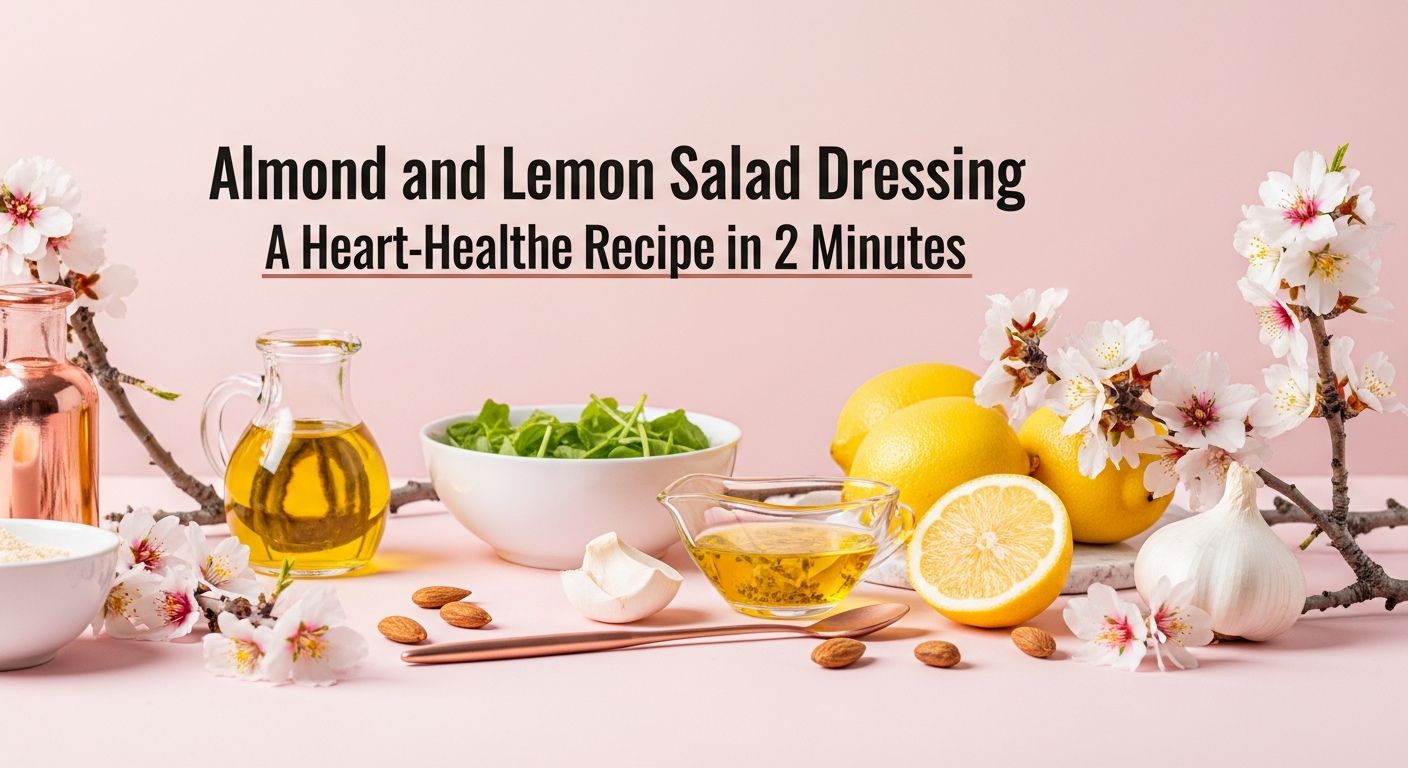
Almond Oil and Lemon Salad Dressing: A Heart-Healthy Recipe in 2 Minutes
Looking for a simple, wholesome way to elevate your salads? This almond oil lemon dressing recipe combines the nutty richness of sweet almond oil with bright, zesty lemon for a dressing that's both delicious and nutritious. In just two minutes, you can whip up this healthy salad dressing almond oil base that may help you enjoy more fresh vegetables in your daily routine.
Sweet almond oil has been treasured in kitchens for generations, and for good reason. When you explore almond oil for cooking, you'll discover its mild, pleasant flavor and impressive nutritional profile that may support overall wellness when used as part of a balanced diet.

Why Choose Almond Oil for Your Salad Dressing?
This almond oil recipe kitchen staple offers several advantages over conventional dressings. Sweet almond oil contains naturally occurring vitamin E and healthy monounsaturated fats that people often seek in their cooking oils. Research suggests that incorporating quality oils like almond oil into your diet may support heart health when used as part of an overall healthy eating pattern.
Unlike heavy, processed dressings, this homemade version allows you to control every ingredient. You'll know exactly what's going into your body, and you can adjust the flavors to your personal taste preferences.
Recipe Overview
| Difficulty Level: | Beginner |
| Prep Time: | 2 minutes |
| Total Time: | 2 minutes |
| Yield: | About ½ cup (enough for 4-6 large salads) |
| Storage: | Refrigerate up to 1 week |
Ingredients
For this simple yet flavorful dressing, you'll need:
- ⅓ cup sweet almond oil (cold-pressed, food-grade)
- 3 tablespoons fresh lemon juice (about 1 large lemon)
- 1 tablespoon apple cider vinegar (or white wine vinegar)
- 1 teaspoon Dijon mustard
- 1 clove garlic, minced (optional)
- ½ teaspoon sea salt (or to taste)
- ¼ teaspoon freshly ground black pepper
- 1 teaspoon honey (optional, for slight sweetness)

Step-by-Step Instructions
Step 1: Prepare Your Container
Choose a clean glass jar with a tight-fitting lid, such as a mason jar or small glass bottle. Glass is preferable as it won't absorb flavors or odors.
Step 2: Add Wet Ingredients
Pour the almond oil, fresh lemon juice, and apple cider vinegar into your jar. The key to a well-emulsified dressing is getting the proportions right - this recipe uses a classic 2:1 oil to acid ratio that creates perfect balance.
Step 3: Add Flavor Enhancers
Add the Dijon mustard (which acts as a natural emulsifier), minced garlic if using, salt, pepper, and honey if you prefer a touch of sweetness. These ingredients will help bind the dressing and create depth of flavor.
Step 4: Shake Vigorously
Secure the lid tightly and shake the jar vigorously for 30-60 seconds until the mixture appears well-combined and slightly thickened. The mustard will help create a temporary emulsion.
Step 5: Taste and Adjust
Remove the lid and taste your dressing. Adjust seasoning as needed - add more lemon juice for brightness, salt for depth, or honey for sweetness. Remember, you can always add more, but you can't take it away!
Safety and Storage Guidelines
Important Safety Notes
Food Safety Warning: Always use food-grade sweet almond oil specifically intended for culinary use. Never use cosmetic-grade almond oil for cooking or consumption. If you have tree nut allergies, consult with a qualified healthcare provider before using almond oil in food preparation.
Proper Storage
- Store in the refrigerator for up to one week
- Always use a clean utensil when serving to prevent contamination
- The oil may solidify slightly when cold - let it come to room temperature and shake before using
- If you notice any off odors, changes in color, or separation that won't re-emulsify, discard the dressing
Delicious Variations and Substitutions
Herb-Infused Version
Add 2 tablespoons of fresh chopped herbs like basil, oregano, or thyme for an aromatic twist. Dried herbs work too - use 1 teaspoon instead.
Citrus Medley
Replace some lemon juice with lime or orange juice for a different citrus profile. Try 2 tablespoons lemon juice plus 1 tablespoon lime juice.
Creamy Variation
Whisk in 1-2 tablespoons of Greek yogurt or tahini for a creamier consistency and additional protein.
Spicy Kick
Add a pinch of red pepper flakes or a dash of hot sauce to wake up your taste buds.
Substitution Options
- Oil alternatives: If almond oil isn't available, extra virgin olive oil works well, though it will have a stronger flavor
- Acid alternatives: Replace apple cider vinegar with balsamic vinegar for richness or rice vinegar for mildness
- Sweetener options: Maple syrup or agave can substitute for honey in equal amounts
Nutritional Considerations
When you learn about almond oil nutrition, you'll discover that this oil contains beneficial compounds that may support overall health when used as part of a balanced diet. This homemade dressing allows you to enjoy these potential benefits while controlling sodium and avoiding the preservatives found in many commercial dressings.
Each serving (about 2 tablespoons) provides healthy fats that may help your body absorb fat-soluble vitamins from your salad vegetables. Some research suggests that consuming healthy fats with vegetables may enhance nutrient absorption.
Serving Suggestions
This versatile dressing pairs beautifully with:
- Mixed green salads with cucumber, tomatoes, and bell peppers
- Spinach salads with strawberries and feta cheese
- Quinoa and vegetable grain bowls
- Roasted vegetable medleys
- As a marinade for grilled vegetables
For more inspiration on incorporating almond oil into your culinary routine, explore our collection of almond oil salad dressings to discover additional flavor combinations and techniques.
Tips for Perfect Results
- Room temperature ingredients emulsify more easily than cold ones
- Fresh lemon juice always tastes better than bottled - it's worth the extra minute to squeeze your own
- Shake before each use as natural separation is normal and expected
- Start with less salt and adjust to taste - you can always add more
- Double the recipe if you eat salads frequently - it keeps well and saves time
Final Thoughts
This simple almond oil and lemon salad dressing proves that healthy eating doesn't have to be complicated or time-consuming. In just two minutes, you can create a delicious, nutritious dressing that may encourage you to enjoy more fresh vegetables in your daily routine.
Remember to always consult with a qualified healthcare provider about dietary choices, especially if you have food allergies or specific health considerations. This recipe is intended for educational purposes and should be part of a balanced, varied diet.
Enjoy experimenting with this versatile base recipe, and discover how homemade dressings can transform your everyday salads into something special!